

BVIO Technology wants to give your computer an autonomous digital copilot that actually operates the machine alongside you. Debuting at IFA 2026 in Berlin, the company introduced Violoop, a palm-sized plug-in gadget designed to turn any existing Mac or PC into a semi-autonomous workstation without locking users into a single software silo.
Instead of running as just another desktop app fighting for CPU cycles, Violoop connects physically via HDMI and USB. That connection grants its onboard AI direct visual perception of your display and standard keyboard-and-mouse control. By watching the screen directly, the device bypasses the need for custom application plugins, meaning it can navigate modern web apps and stubborn legacy software alike.
Bridging Software Silos With Hybrid Intelligence
At its core, Violoop acts as an agentic traffic controller. Rather than forcing users into a proprietary ecosystem, BVIO built the hardware to let owners supply their own API keys for heavy hitters like ChatGPT, Claude, Gemini, and Codex.
The system uses intelligent routing to tackle projects step by step. Routine processing runs locally on the device, while specialized tasks get farmed out to external cloud models only when necessary. If a task lacks an API, Violoop simply takes the wheel: reading on-screen elements, clicking menus, and typing input just like a human assistant.
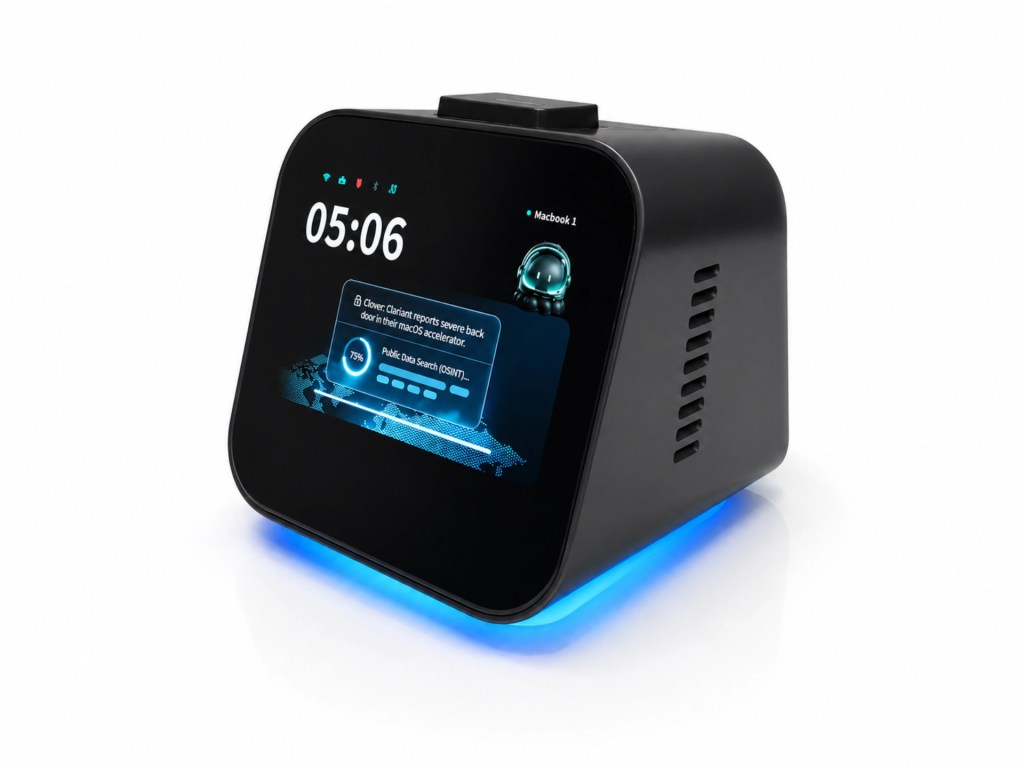
In practice, this means an incoming customer email can automatically trigger a cross-app workflow. Violoop can scan the message, pull client history, update an external CRM, draft a suggested reply using a connected LLM, and drop the draft right back into your inbox awaiting final review. The platform draws its operational chops from training across more than 200 software applications and 10,000 real-world interfaces.
On-Device Hardware Keeps Eyes Off the Cloud
Granting an AI broad screen access inevitably raises privacy questions, but BVIO designed Violoop around a local-first architecture. The device packs an 8-billion-parameter local model backed by 26 TOPS of on-device neural acceleration.
Crucially, screen processing occurs entirely on the unit; your raw visual workspace is never streamed or stored in the cloud. When Violoop calls external models, it transmits only the specific text or prompt needed for that step.
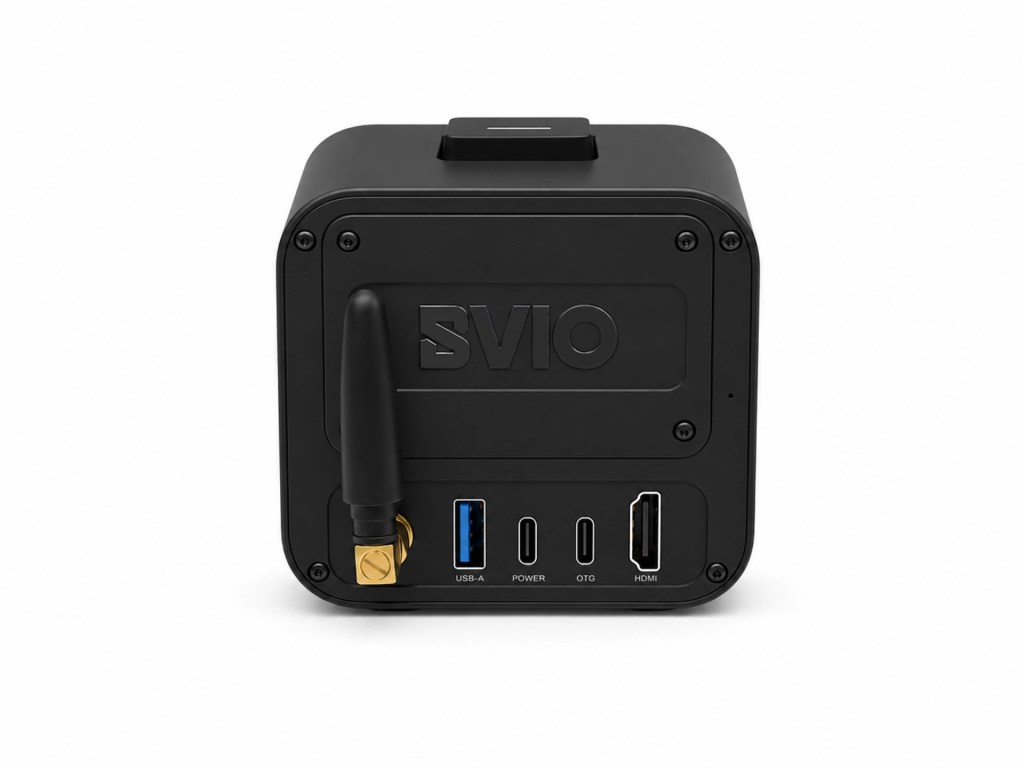
Physical safeguards are baked into the silicon as well. Violoop separates execution from authorization using a dedicated STM32H563 security processor alongside hardware-based approval controls, preventing unapproved operations. For hands-off computing, an Away Mode lets routines continue when you step away from your desk. If an action crosses a security threshold, Violoop halts and pushes a verification alert to your smartphone, ensuring your autonomous assistant never goes completely rogue while you grab coffee.
Pricing and Launch Timeline
Fresh off a $20 million seed funding round, BVIO is taking Violoop to crowdfunding before heading to broad retail.
The official Kickstarter campaign opens September 15, 2026, with early-bird pricing starting at $399—a $300 discount off its planned $699 MSRP. Backer shipments are scheduled to roll out swiftly in October 2026. More details on hardware specifications and campaign updates can be found on the Violoop official site.


