

Google is introducing a series of platform updates at Android Dev Summit aimed at helping developers build high-quality Android applications across more devices, development environments, and AI-powered workflows.
The announcements focus on five key areas: Googlebook and foldable devices, Android XR development, connected applications, support for third-party coding agents, and improvements to the Android command-line interface. Together, these updates are designed to give developers more flexibility in how they build, test, optimize, and distribute Android experiences.
Google is also expanding the tools available to AI coding agents, allowing developers to integrate their preferred agents into Android Studio and use additional development capabilities through the command line.
Googlebook and Foldables Bring New Opportunities for Android Apps
Google is expanding its focus on applications that work across different screen sizes with the arrival of Googlebook. According to the announcement, developers will be able to build applications that scale across phones and laptops without maintaining a separate codebase for each device category.
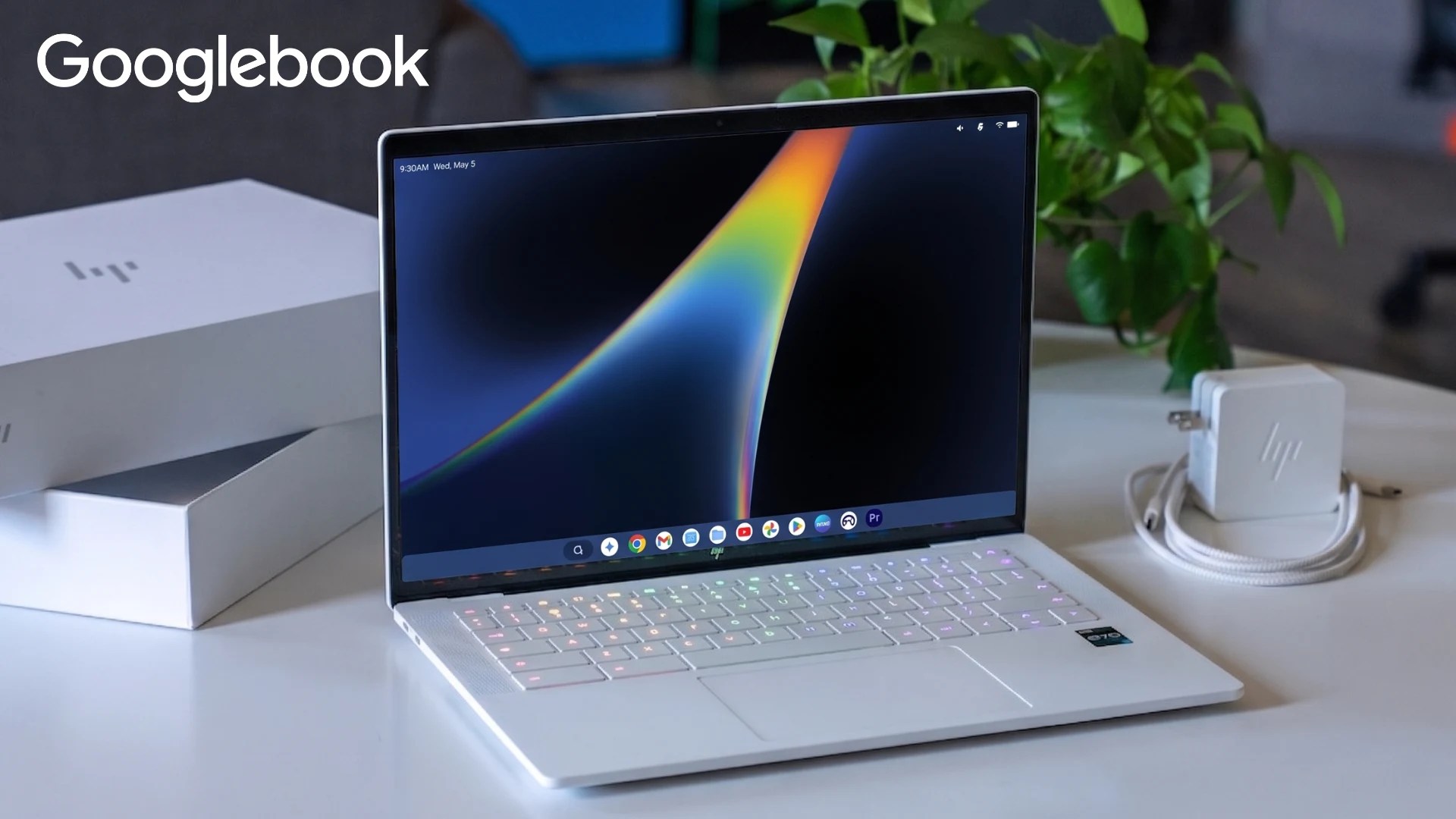
The initiative is supported by an updated Compose adaptive skill designed to help coding agents adapt applications to different screen configurations.
This capability can help developers transform compact mobile interfaces into layouts that make better use of larger displays. It also supports optimizing tabletop layouts for foldable devices, where the screen can be positioned in different configurations depending on how the device is used.
The approach could reduce the work required to maintain separate experiences for phones, laptops, and foldables. It also gives developers a way to use AI-powered development tools when adapting existing applications to new form factors.
For developers, the central goal is to make Android applications more adaptable without requiring an entirely separate development process for every device type.
Android XR Development Gains Stable Tools and Emulators
Google is also expanding its development ecosystem for Android XR, providing tools for developers building applications for an increasingly diverse range of extended-reality devices.
The announced updates include stable Core Jetpack XR SDK libraries, stable Android XR emulators in Android Studio, and a stable Android XR Engine Hub for working with performance traces.

The Android XR emulators are particularly relevant for developers who want to build and test applications without relying on physical XR hardware. By working within Android Studio, developers can iterate on their projects from a laptop and evaluate their applications during development.
The Android XR Engine Hub adds performance-tracing capabilities to help developers investigate how applications behave and identify potential performance issues.
Google is also bringing Geospatial APIs in ARCore into the development workflow. These APIs allow developers to anchor digital content to real-world locations, supporting experiences that connect virtual objects with physical environments.
Taken together, the tools are intended to make Android XR development more accessible while providing the resources needed to test, optimize, and build location-aware experiences.
Connected Apps Platform Brings Applications Into Gemini and Search
Another announcement is a new preview of Google’s Connected Apps Platform, which offers developers a unified way to bring application capabilities directly into Gemini and Google Search.
The initiative could make it easier for users to access supported app features through Google’s AI and search experiences rather than always opening an application and navigating its menus manually.
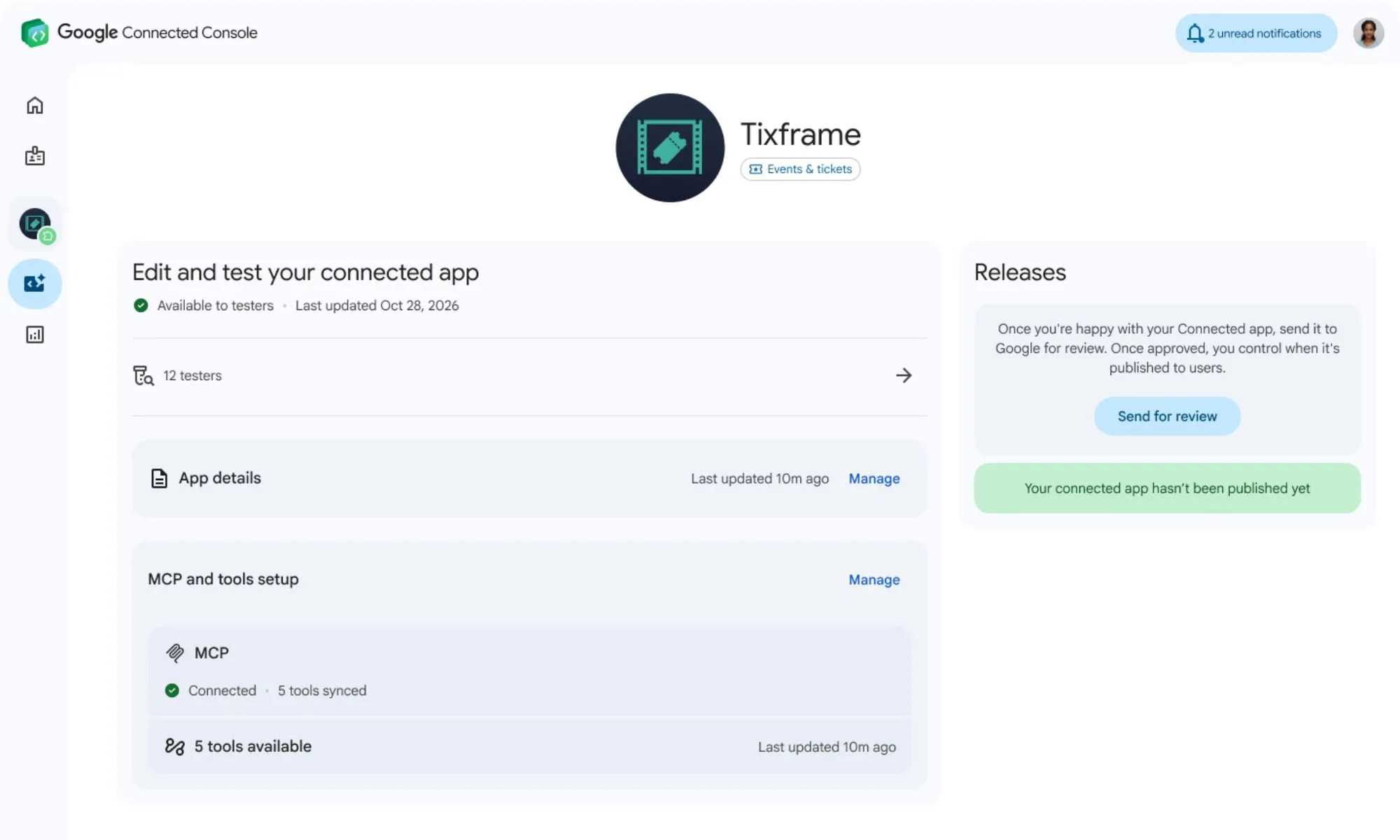
Developers can build integrations natively using Android MCP or Server MCP. They can also prototype their integrations through Gemini development mode before moving toward production.
When an integration is ready, developers can register through the Google Connected Console preview program.
This approach gives developers a path from initial experimentation to preparing their app capabilities for broader use within Google’s connected experiences.
For businesses and application creators, the opportunity is to make useful app functions accessible in additional contexts. The announcement, however, does not specify which applications or capabilities will be available first or when the preview will expand to general availability.
Bring Your Own Agent Becomes Stable in Android Studio
Google is making its Bring Your Own Agent (BYOA) capability stable, allowing developers to integrate their preferred coding agents directly into Android Studio.
The supported options named in the announcement include Claude Agent, Codex, and AntiGravity, alongside more than 40 agents that comply with the Agent Client Protocol (ACP).
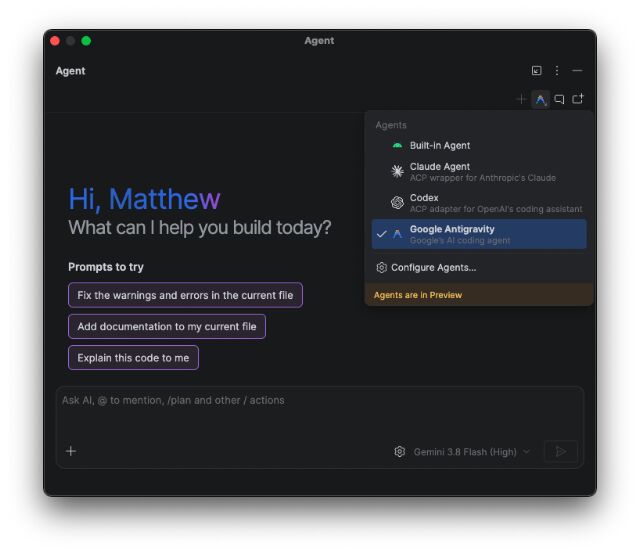
Rather than requiring developers to use a single AI coding assistant, the feature is designed to let them choose the agent that best fits their workflow while working within Android Studio’s development environment.
This integration allows developers to combine their preferred coding agents with Android Studio’s existing development tools. The aim is to provide greater flexibility for people who use AI assistance to write, modify, and improve application code.
The stable release is an important step for developers who want to incorporate AI agents into established Android development workflows without moving away from their main integrated development environment.
As coding agents become more capable, support for multiple providers may also give developers more freedom to experiment with different approaches to software development.
Android CLI Adds Tools for AI-Assisted Development
Google is also updating the Android command-line interface, or Android CLI, to make it easier for developers and coding agents to build and improve Android applications.
The new capabilities include Android device streaming, Jetpack Compose previews, performance profiling system traces, quality-analysis score tools, and more than 30 new Android skills.
Device streaming can help developers interact with Android devices during development, while Compose previews provide a way to inspect user interface layouts built with Jetpack Compose.
Performance profiling system traces give developers tools to investigate application behavior, and quality-analysis score tools can help assess different aspects of an app’s quality.
The addition of more than 30 Android skills further expands the resources available to development agents working through the command line.
These updates are intended to help agents perform more of the tasks involved in building and evaluating Android apps. They also provide developers with additional ways to incorporate automated assistance into existing workflows.
By expanding the capabilities available through the CLI, Google is supporting development approaches that extend beyond a traditional graphical interface.
Google’s Broader Strategy: More Devices and More Flexible AI Tools
The Android Dev Summit announcements point to two major priorities: supporting Android applications across a wider range of devices and giving developers more choice in how they use AI-powered development tools.
Googlebook and foldable support focus on adaptable interfaces, while the Android XR updates provide tools for creating and testing extended-reality experiences.
The Connected Apps Platform introduces a route for bringing application capabilities into Gemini and Search. Meanwhile, BYOA and Android CLI updates make it easier to integrate coding agents into Android development.
These initiatives address different stages of the application lifecycle, from designing interfaces for new devices to building integrations, testing performance, and using AI assistance during coding.
For developers, the potential benefit is a more flexible environment in which applications can reach different device categories while development tools accommodate a broader selection of workflows.
The practical impact will depend on implementation details, compatibility, and the availability of individual features. The announcement does not provide a complete release schedule for every capability.
What the Announcements Mean for Android Developers
The updates could be particularly relevant to developers who maintain applications across phones and larger screens, are exploring XR experiences, or want to use AI agents as part of their development process.
Developers working with Jetpack Compose may benefit from the adaptive tools for foldables and Googlebook. Those building extended-reality applications gain access to stable SDK libraries and emulators, while developers interested in AI integrations have a new preview platform for connecting app capabilities with Gemini and Search.
The stable BYOA capability also offers more choice for teams that already rely on particular coding agents. Meanwhile, the expanded Android CLI provides additional tools for interface previews, device interaction, performance analysis, and app-quality assessment.
Overall, Google is positioning Android development as an ecosystem that supports multiple devices, development tools, and AI agents rather than requiring every developer to follow a single workflow.


