

Googlebook is arriving as a full hardware family rather than a single showcase laptop, with Acer, ASUS, Dell, HP, and Lenovo supplying the first wave of systems. The lineup stretches from a $899 convertible to lightweight Snapdragon X Elite machines and larger OLED models, giving Google’s new Android-based laptop platform several distinct entry points from day one.
Across the range, Googlebook systems start with 16GB of RAM, SSD storage beginning at 256GB or 512GB depending on the model, touchscreen displays, backlit keyboards, and battery life rated at 14 hours or longer. Configurations reach 32GB of memory, with screen sizes running from 13.4 inches to 15.3 inches.
Acer Googlebook 14 Starts the Lineup at $899

The Acer Googlebook 14 is the least expensive model in the initial group, starting at $899. It is a 14-inch convertible, making it the lone 2-in-1 among these five systems.
Acer pairs a 2.8K OLED touchscreen rated at 500 nits with Intel Core Ultra 5 or Core Ultra 7 Series 3 processors. The system includes 16GB of RAM and at least 256GB of storage, wrapped in an aluminum-and-magnesium chassis measuring 13.9mm thick and weighing 2.5 pounds.
A fingerprint sensor handles biometric authentication.
Dell and HP Put Snapdragon X Elite in Smaller Designs
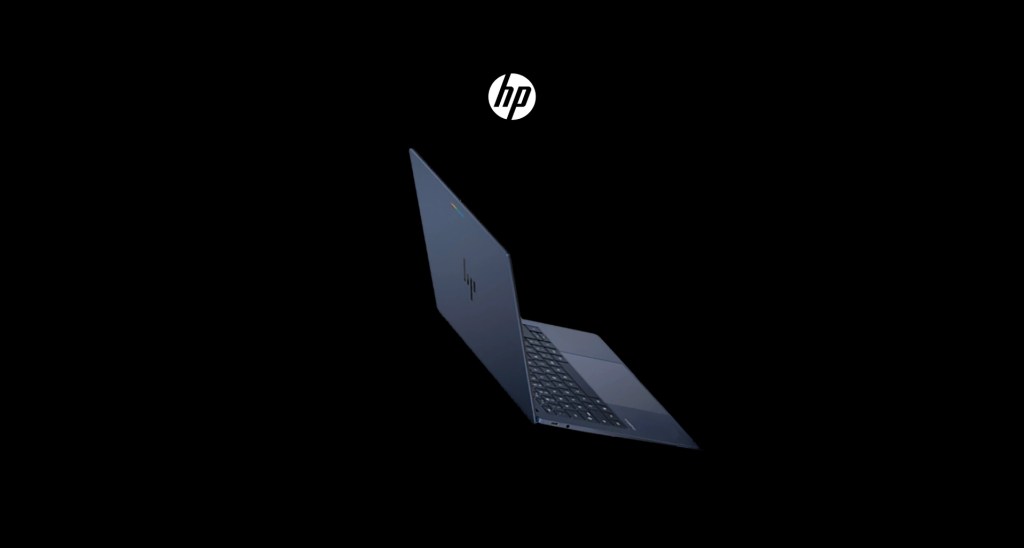
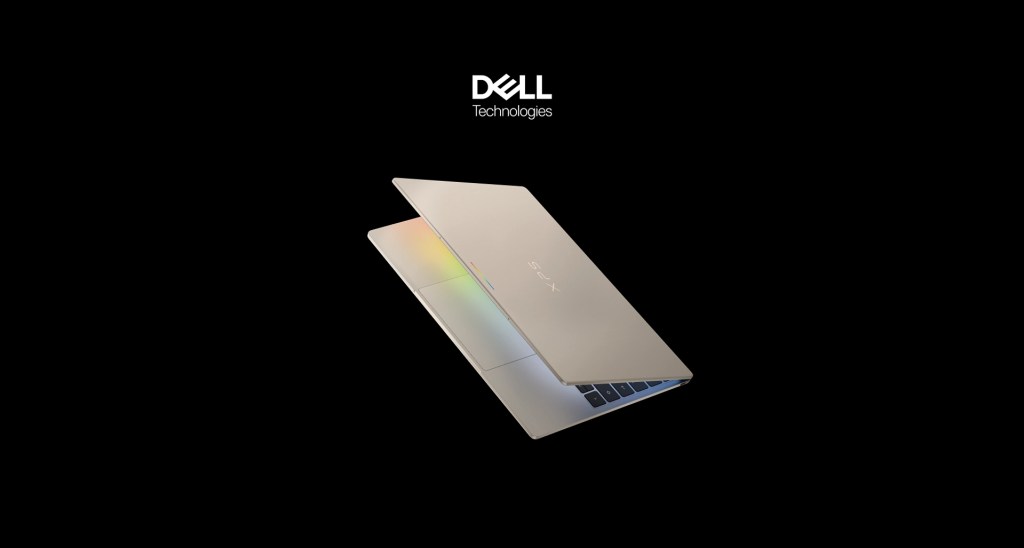
The Dell XPS Googlebook starts at $1,199 and is the smallest model here, pairing a 13.4-inch 2.5K touchscreen with Qualcomm’s Snapdragon X Elite processor.
Its machined aluminum chassis measures 12.7mm thick and weighs 2.2 pounds. Configurations include 16GB or 32GB of RAM and at least 512GB of storage.
HP takes a similar Qualcomm-powered route with the HP Googlebook 14, starting at $1,299. Its 14-inch 2.8K OLED touchscreen reaches 500 nits, with memory options from 16GB to 32GB and storage beginning at 256GB.
The all-aluminum HP weighs 2.74 pounds and includes a haptic touchpad, fingerprint reader, and face authentication.
ASUS and Lenovo Round Out the Intel Options


The ASUS Googlebook 14 starts at $1,299 and runs on Intel Core Ultra 5 or Core Ultra 7 Panther Lake processors. It carries a 14-inch 2.8K OLED touchscreen rated at 500 nits, up to 32GB of RAM, and at least 256GB of storage.
At 2.2 pounds, it matches Dell as the lightest machine in the announced group. ASUS includes a haptic touchpad and fingerprint sensor in its aluminum-and-magnesium chassis.
For buyers who prefer more screen space, the Lenovo Googlebook 15 brings a 15.3-inch 2.8K OLED touchscreen for $1,299. It uses an Intel Core Ultra 5 Series 3 processor with 16GB of RAM and storage starting at 256GB.
The Lenovo is built from magnesium alloy and carbon fiber, weighs 2.84 pounds, and includes Dolby Atmos, a haptic touchpad, fingerprint authentication, and face recognition.
Gemini and Android Continuity Tie the Hardware Together
The common thread across these machines is Google’s software layer. Googlebook uses dedicated NPU hardware rated at more than 40 TOPS for Gemini features including Magic Pointer, Magic Cues, Rambler, and the beta Create My Widget tool.
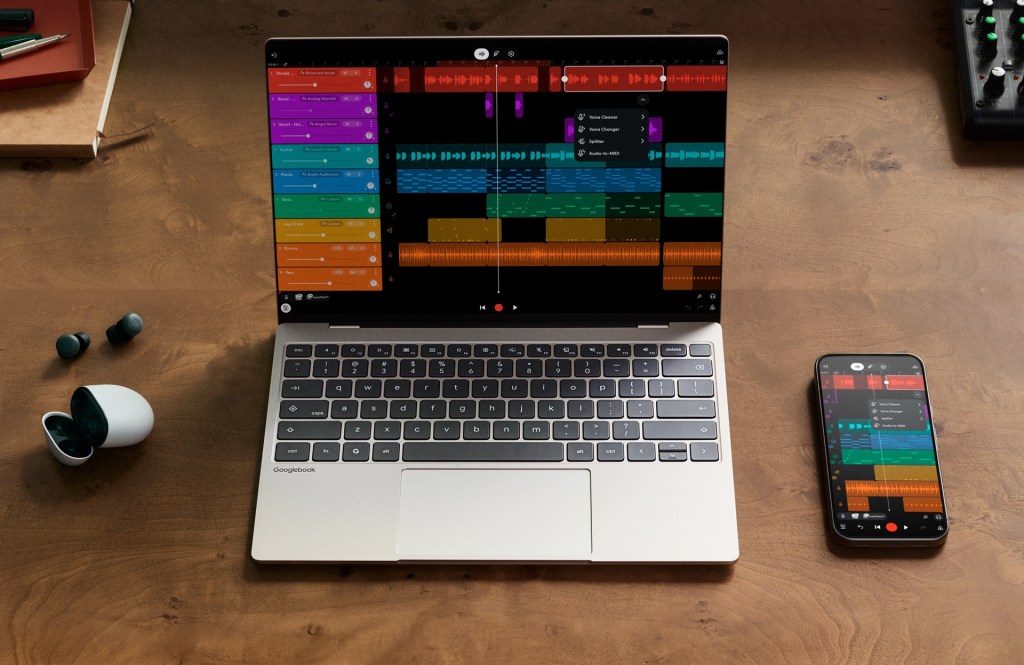
Magic Pointer lets users gesture with the cursor and ask Gemini about content shown on screen. Magic Cues provides context-aware assistance tied to schedules, email, and current tasks, while Rambler turns spoken thoughts into structured notes. Create My Widget lets users build custom desktop widgets with natural-language prompts.
Android integration plays an equally large role. Continue On, the Files app, and Handoff are designed to carry files, apps, and active tasks between an Android phone and Googlebook with less manual shuffling.
Googlebook supports apps from the Google Play Store, web apps, and Linux containers, giving the platform a broader software mix than a phone-first Android device. Each model is built around the same idea: make an Android phone and laptop feel less like coworkers who only communicate by email.


