

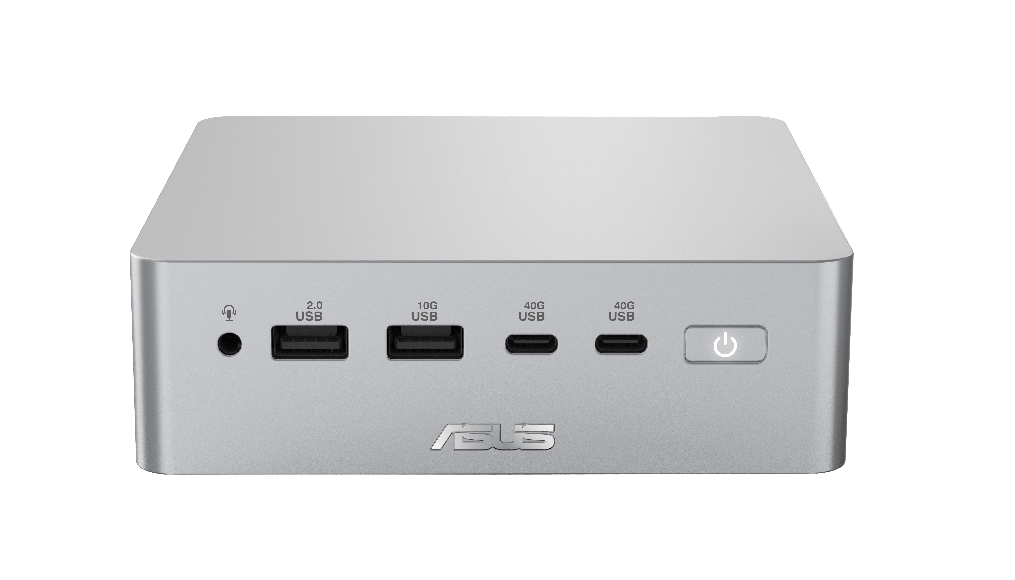
ASUS has introduced the Ascent QN10, a compact desktop computer designed to bring next-generation agentic artificial intelligence to everyday computing. Equipped with an 80 TOPS neural processing unit (NPU) and powered by Qualcomm’s Snapdragon X2 Elite platform, the mini PC combines advanced on-device AI capabilities with desktop-class performance.
Featuring an 18-core Qualcomm Oryon CPU, integrated Adreno graphics, and enterprise-focused security features, the ASUS Ascent QN10 is designed for creators, developers, business users, and organizations exploring AI-powered workflows.
With its compact design and support for both local and cloud-based AI processing, the new mini PC aims to deliver responsive performance while minimizing space requirements and energy consumption.
A Compact Desktop Built for AI Workloads
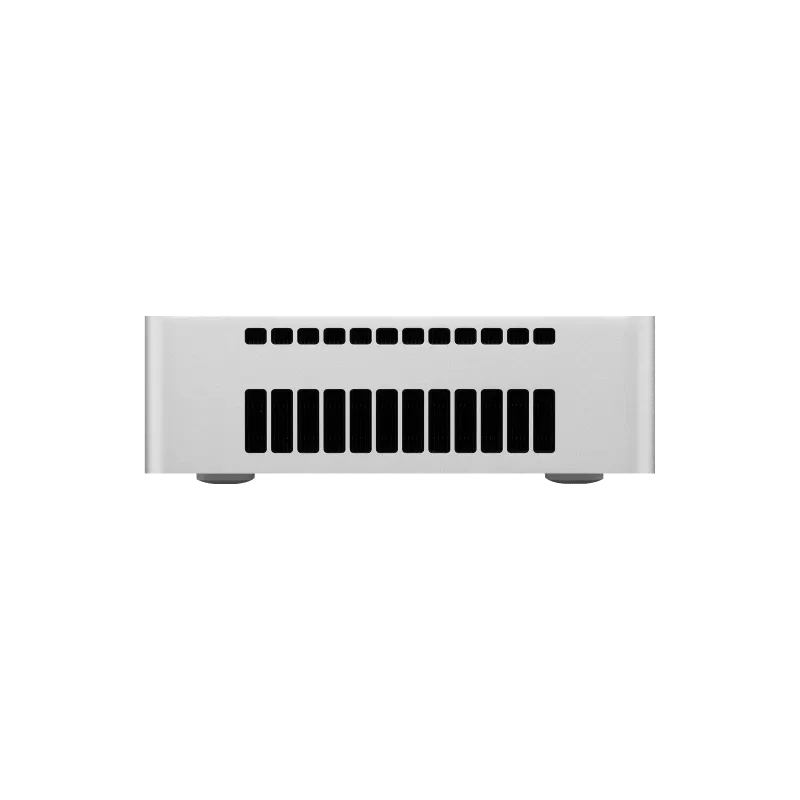
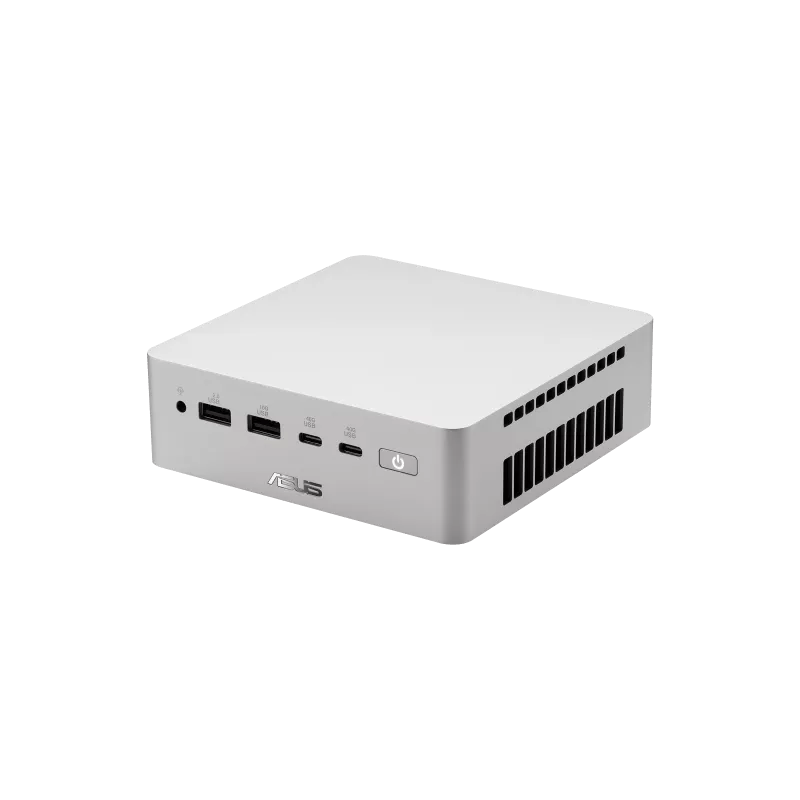
The ASUS Ascent QN10 measures less than 0.7 liters in volume, making it significantly smaller than traditional desktop computers. According to ASUS, its chassis is 86% smaller than conventional 5-liter desktop systems.
Despite its small footprint, the mini PC is designed to handle demanding computing tasks, including AI-assisted productivity, content creation, and intelligent workflow automation.
Its compact design makes it suitable for a variety of environments, including home offices, professional workspaces, creative studios, and enterprise deployments.

The system also features an integrated Qualcomm Adreno GPU, which ASUS says delivers up to 2.3 times the performance of its previous-generation graphics solution.
This combination of compact construction and improved graphics performance makes the Ascent QN10 a potential option for users who need a space-saving computer capable of handling more than basic office tasks.
Snapdragon X2 Elite Powers the Next Generation of AI Computing
At the heart of the ASUS Ascent QN10 is Qualcomm’s Snapdragon X2 Elite platform, featuring up to 18 Qualcomm Oryon CPU cores.
The processor is designed to support multitasking, content creation, and AI-enhanced applications while maintaining a balance between performance and power efficiency.
ASUS positions the Ascent QN10 as a desktop solution for users who want to integrate agentic AI into their daily workflows. Agentic AI refers to systems that can perform tasks, coordinate multiple steps, and respond to user instructions with varying degrees of autonomy.
The mini PC is designed to support these emerging applications while offering the sustained performance needed for extended work sessions.
80 TOPS NPU Accelerates On-Device AI
One of the main features of the ASUS Ascent QN10 is its integrated Qualcomm Hexagon NPU, which delivers up to 80 trillion operations per second, or TOPS, of AI processing performance.
This dedicated AI hardware is designed to accelerate compatible workloads directly on the device, reducing the need to rely exclusively on cloud-based processing.
Potential applications include real-time language translation, AI-assisted content generation, video enhancement, intelligent assistants, and workflow automation.
Running AI tasks locally can also help reduce latency and improve privacy by limiting the amount of sensitive information that needs to be sent to external servers. However, the actual benefits will depend on the applications, models, and workloads being used.
For professionals working with AI-powered tools, local processing could provide a more responsive experience, particularly in environments where reliable internet connectivity is not always guaranteed.
Enterprise-Grade Security From Chip to Cloud
The ASUS Ascent QN10 incorporates a multilayered security architecture designed to protect devices, data, and AI workloads.
Its security features extend across hardware, firmware, the operating system, and cloud-connected environments, providing a foundation for organizations deploying AI-enabled applications.
The mini PC includes firmware-based Trusted Platform Module (fTPM) 2.0 technology, which helps support hardware-based credential protection and encryption-related security functions.
It also incorporates Microsoft’s Pluton security processor, which is designed to strengthen identity protection, safeguard encryption keys, and support device security and recovery capabilities.
Together, these technologies are intended to help businesses protect sensitive information while deploying AI-powered tools across their computing environments.
Although these security features can improve protection against certain threats, organizations will still need appropriate software configurations, access controls, and security policies to protect their systems.
Designed for Productivity, AI Development, and Edge Computing
The ASUS Ascent QN10 is designed to support a broad range of AI-related applications, from everyday productivity tools to local large language model inference and edge AI deployments.
Its on-device processing capabilities can help developers and businesses run compatible AI workloads closer to where data is generated, potentially reducing response times and improving data privacy.
The mini PC also provides access to the Qualcomm AI Hub, a developer platform designed to simplify the optimization, validation, and deployment of AI models on compatible hardware.
According to ASUS, the platform provides access to more than 175 pre-optimized AI models and supports Bring Your Own Model (BYOM) and Bring Your Own Data (BYOD) workflows.
These capabilities can help developers customize AI solutions and move more efficiently from model development to deployment.
The system also works with the Qualcomm AI Stack, which provides software tools and frameworks for developing and running AI applications on Qualcomm-powered devices.
For developers, this combination of hardware and software support could simplify the process of experimenting with AI models and deploying them on local devices.
Hybrid AI Combines Local Processing With Cloud Intelligence
The ASUS Ascent QN10 is designed to support hybrid agentic AI workflows that combine local computing with cloud-based AI services.
This approach allows compatible tasks to be processed directly on the device while more demanding workloads can be handled through cloud-based large language model APIs.
ASUS says the mini PC supports AI tools such as OpenClaw, Hermes Agent, and other agent frameworks. Users can also interact with AI agents through familiar communication platforms, including WhatsApp and LINE.
The hybrid approach is intended to provide flexibility when managing AI workloads. Local processing can be useful for privacy-sensitive tasks, while cloud-based services may provide access to more computational resources or specialized models.
By distributing workloads between the local NPU and cloud services, the system aims to balance responsiveness, energy consumption, and operating costs.
However, the actual performance of these workflows will depend on internet connectivity, software compatibility, AI model requirements, and the specific tasks being performed.
Wi-Fi 7 and Bluetooth 6.0 Support Modern Workspaces
The ASUS Ascent QN10 includes a selection of connectivity options designed to support modern office environments, AI development setups, and multi-device workflows.
The mini PC supports Wi-Fi 7, offering access to newer wireless networking capabilities, including improved throughput and reduced latency when paired with compatible networking equipment.
Bluetooth 6.0 support is also included, enabling connections to compatible wireless accessories and peripherals.
These connectivity features can help users integrate the mini PC into existing workspaces, connect external devices, and access cloud-based resources.
For developers and businesses, reliable connectivity is particularly important when working with remote AI services, cloud synchronization tools, and collaborative applications.
Actual wireless performance will depend on network infrastructure, device compatibility, and environmental conditions.
Who Is the ASUS Ascent QN10 Designed For?
The ASUS Ascent QN10 is targeted at several groups of users who may benefit from compact AI computing.
Creators and content professionals: Video editors, designers, and other creative professionals may find the mini PC useful for compatible AI-assisted editing, content generation, and productivity applications. Actual suitability will depend on the software being used and its hardware requirements.
Software developers: Developers exploring local AI models, AI agents, and edge computing applications can potentially benefit from the device’s dedicated NPU and access to Qualcomm’s AI development ecosystem.
Businesses and enterprises: Organizations interested in deploying AI-assisted workflows may use the mini PC as a compact computing platform for compatible applications, although enterprise deployment will depend on security, software, and infrastructure requirements.
Professionals working in space-constrained environments: Its sub-0.7-liter design makes it suitable for users who want to reduce desktop clutter without moving entirely to a laptop.
Availability and Pricing
ASUS announced that the Ascent QN10 would become available in the United States beginning September 17, 2026.
The mini PC is offered in two primary configurations, with pricing and memory specifications varying by model.
16GB RAM Configuration — $1,349
The entry-level configuration includes:
- Memory: 16GB LPDDR5x running at 8,533MHz
- Storage: 512GB M.2 NVMe PCIe 4.0 SSD
- Price: $1,349
This version is available through retailers including Best Buy, Newegg, B&H Photo Video, and the ASUS eShop, according to ASUS.
32GB RAM Configuration — $1,699
The higher-memory version includes:
- Memory: 32GB LPDDR5x running at 9,600MHz
- Storage: 512GB M.2 NVMe PCIe SSD
- Price: $1,699
Prices and availability may vary by retailer.


