

AI is increasingly becoming part of everyday routines, moving beyond chatbots and search tools into products people already use throughout the day. Phones can summarize conversations, laptops can organize notes, and dedicated AI recorders are becoming more common in meetings, interviews, and classrooms. The next logical step is putting some of that intelligence into something many people already wear for hours at a time.
That is where the viaim RecDot comes in.
Made by viaim, a company focused on AI-powered productivity tools, the RecDot is a CES Innovation Award-winning pair of wireless earbuds that doubles as a voice recorder, transcription tool, and AI note-taking assistant. Priced at $199.99, it is aimed at professionals, students, journalists, and anyone who regularly leaves meetings or conversations wishing they had written down a little more.
Rather than asking users to carry another dedicated AI gadget, viaim puts those functions into a familiar pair of earbuds. The idea is straightforward: record the conversation, turn it into searchable text, pull out the important points, and create something useful from it afterward.
What It Is

The RecDot falls into the emerging category of AI note-taking earbuds, combining traditional wireless audio with recording, transcription, summarization, and organization tools.
RecDot gives wireless earbuds a second job, handling the recording and note-taking while you focus on the conversation.
The earbuds are available in Black or Silver, with the standard configuration priced at $199.99. viaim offers several bundles for users who want additional tools or AI capacity. The RecDot + NoteKit bundle, which adds viaim’s desktop AI note-taker, costs $249.00. A RecDot + Annual Pro Plan bundle is available for $239.99, and the RecDot + Annual Ultra Plan costs $299.99.
A paid subscription is not required. Every RecDot includes 600 minutes of AI transcription per month, giving users room to try the productivity features without immediately adding another recurring charge to the monthly pile.
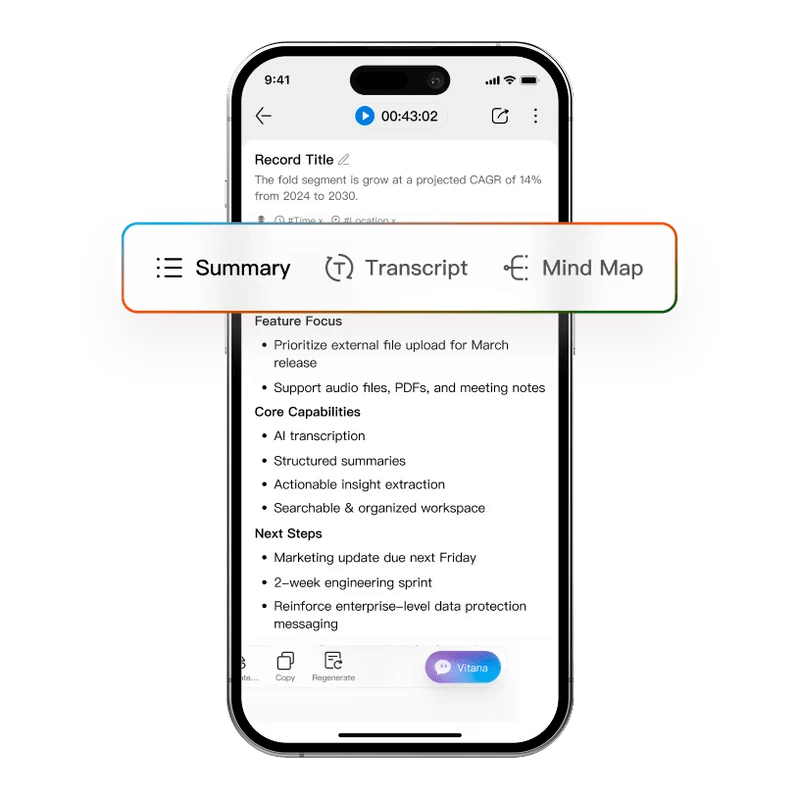
What separates RecDot from a conventional pair of earbuds is the workflow surrounding the audio. Instead of ending with a recording file, viaim can turn captured conversations into transcripts, summaries, action items, and organized notes.
FlashRecord Makes Recording Easy

FlashRecord Technology is designed to remove the usual friction involved in starting a recording. Users can begin capturing audio with a long press on the earbud or by opening the charging case rather than reaching for a phone, unlocking it, and navigating to a recording app.
The earbuds can store up to four hours of audio locally, so recording does not depend entirely on an active connection. That could be especially useful in situations where ideas or conversations happen unexpectedly. Interviews, impromptu meetings, lectures, and brainstorming sessions rarely wait for someone to get their software organized.
AI Transcription in 78 Languages
RecDot supports real-time transcription across 78 languages, including accent recognition.

The benefit here goes beyond keeping a written copy of what was said. Once speech becomes searchable text, users can return to specific parts of a meeting or interview without scrubbing through an hour-long audio file trying to remember when somebody mentioned the important bit.
For multilingual teams, international interviews, or remote meetings involving speakers from different regions, the broader language support may make the feature especially useful.
Summaries, Action Items, and Mind Maps
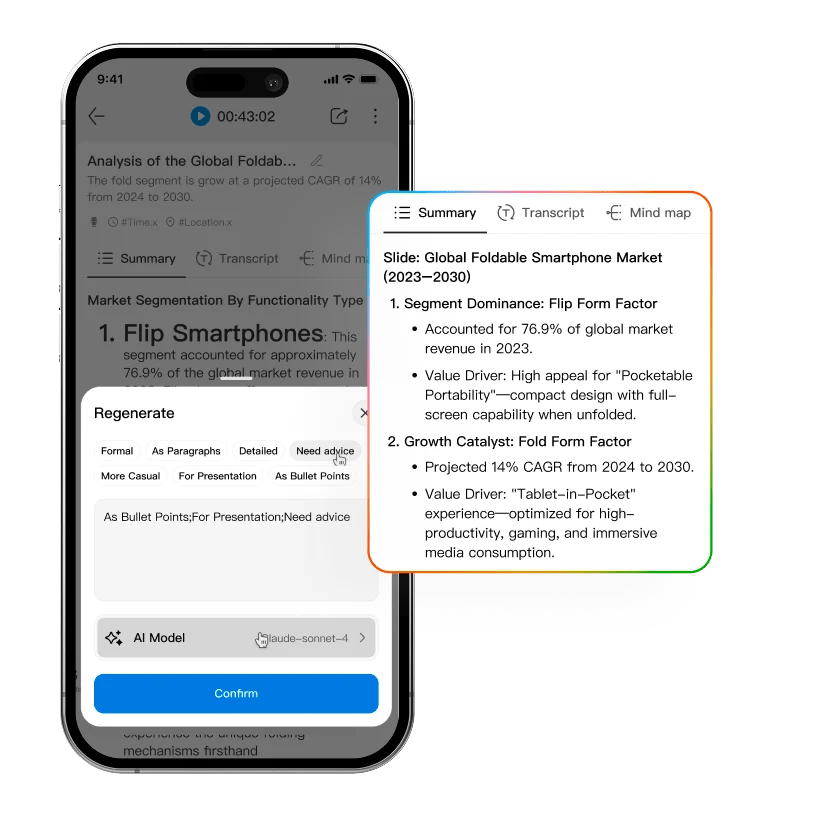
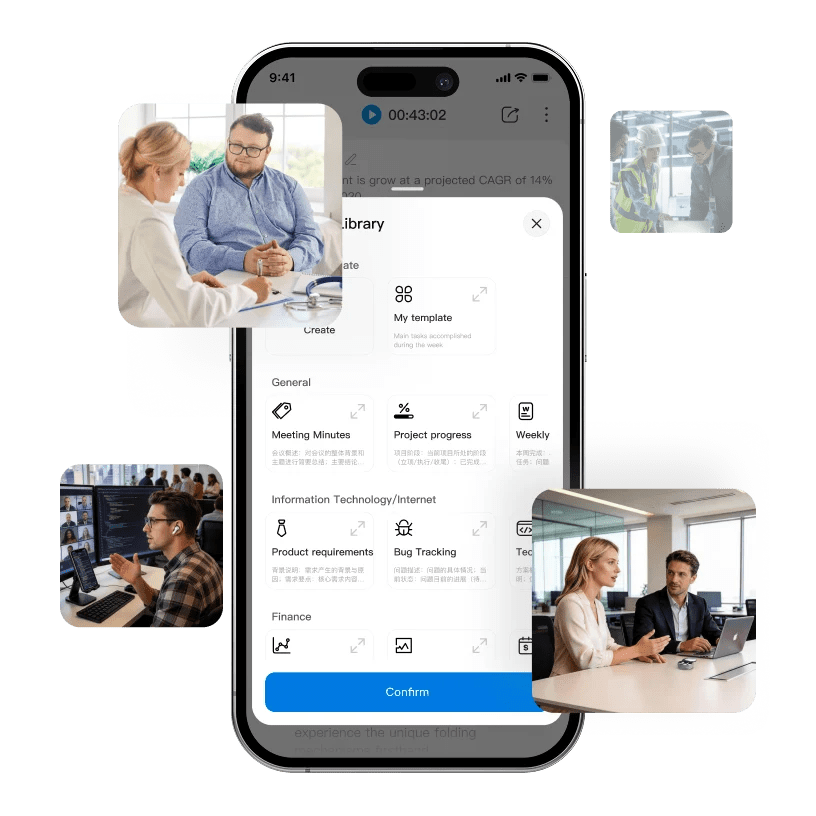
Recording and transcription are only the first stages of RecDot’s AI workflow. The software can generate structured summaries, identify key points, extract action items, and create mind maps from recorded conversations. Users can work with built-in professional templates or provide their own prompts to shape the resulting notes.
That reflects one of the more practical directions AI tools are taking. The value is less about generating something from nothing and more about reducing the time spent sorting through information people have already created.
A one-hour meeting can produce a lot of words. What most people need afterward are the five minutes that mattered.
Built for Meetings and Group Conversations
RecDot uses a triple-microphone array, including a bone-conduction microphone, and viaim rates its recording range at up to 7 meters.
That gives it more flexibility than earbuds designed primarily around phone calls. The wider pickup range is intended to capture conversations across meeting tables, classrooms, interviews, and group discussions rather than focusing entirely on the person wearing the earbuds.
Recording quality will naturally depend on room acoustics, background noise, distance, and the number of speakers involved, but the expanded microphone setup gives RecDot a stronger foundation for conversational recording.
They Are Still Proper Wireless Earbuds

The productivity features would matter a lot less if the RecDot were unpleasant to use for everyday listening.
viaim equips the earbuds with 11mm titanium-coated dynamic drivers, LHDC codec support, Hi-Res Audio capability, and up to 48dB active noise cancellation.
That means the RecDot can still handle the usual earbud duties, including music, podcasts, video, and calls. Users do not need to choose between carrying productivity hardware and carrying their regular earbuds.
Each earbud weighs 4.8 grams, which keeps the design relatively lightweight for extended wear.
Up to 36 Hours of Battery Life
The RecDot offers up to nine hours of listening per charge, with the 550mAh charging case bringing total battery life to as much as 36 hours.
That should be enough for multiple workdays of intermittent meetings and listening before the case needs attention.
Battery life becomes particularly relevant for a device designed around passive availability. An AI recorder is much less useful if it spends the afternoon plugged into a charger when the important conversation happens.
Privacy Matters When AI Is Listening
Recording meetings and conversations raises obvious questions about where those recordings go and how the information is handled.

viaim lists compliance with ISO 27001, ISO 27701, SOC 2 Type II, HIPAA, and EN 18031 standards and certifications. Those credentials may be particularly relevant for businesses and professionals dealing with sensitive information.
Users should still follow applicable consent and recording laws when capturing other people. AI may make recording easier, but it does not make the rules around recording conversations disappear.
Who It’s For
The RecDot makes the strongest case for people whose days are filled with information they need to revisit later.
Sales professionals can turn calls into follow-up lists. Consultants and executives can keep records of meetings without dividing their attention between listening and typing. Journalists and researchers can generate searchable transcripts from interviews. Students can turn lectures into notes they can review later.
Remote workers dealing with frequent video calls may see similar benefits, particularly when meetings involve multiple languages.
There is room for more casual use too. RecDot can capture ideas, personal voice notes, brainstorming sessions, and spoken thoughts that might otherwise disappear somewhere between “I should remember that” and five minutes later.
AI That Fits Into Something You Already Carry
Many AI products still ask users to adopt another app, another service, or another piece of hardware. The RecDot takes a different approach by putting those tools inside a device people already understand. That may be the most interesting part of the product.
The viaim RecDot is still a pair of wireless earbuds, but its recording, transcription, summarization, and organizational features give it a second job as a productivity tool.
At $199.99, with 600 minutes of monthly AI transcription included and no required paid subscription, it offers a relatively straightforward way to bring AI-assisted note-taking into meetings, interviews, classes, and everyday conversations without carrying another dedicated recorder.
For people already experimenting with AI as part of their daily workflow, RecDot represents another step toward making those tools less visible and more useful. Instead of opening an AI service after the fact, the technology is already sitting in your ears when the conversation begins.


