

Speediance has pulled off something of a magic trick with the Gym Nano, packing serious training capability into a package that weighs less than a carry-on bag.
A Portable Resistance System Built Around Real Data
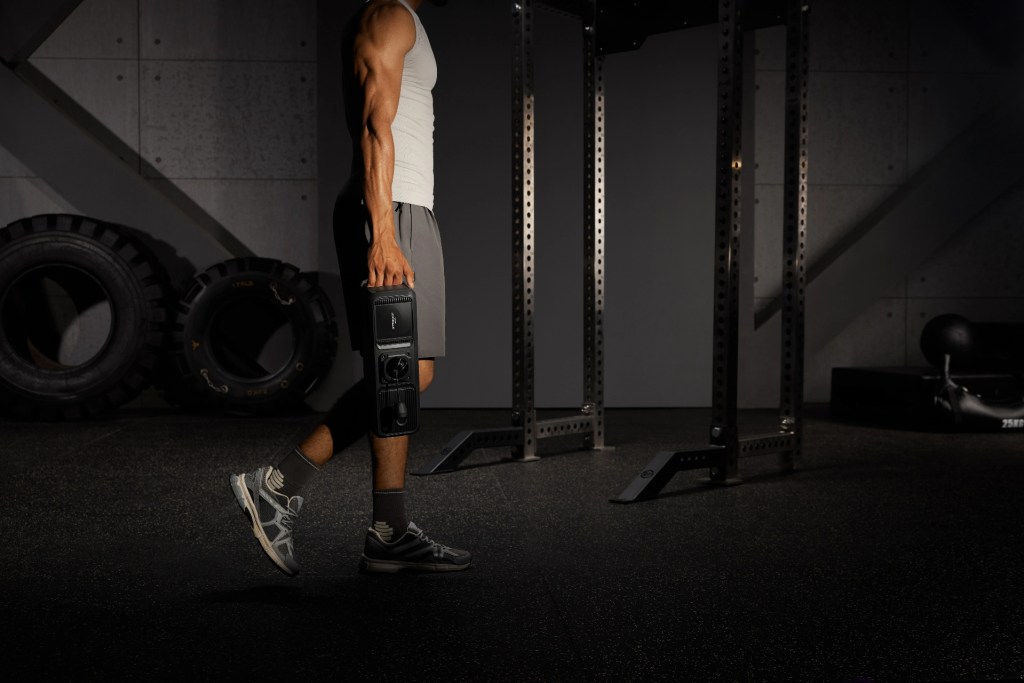
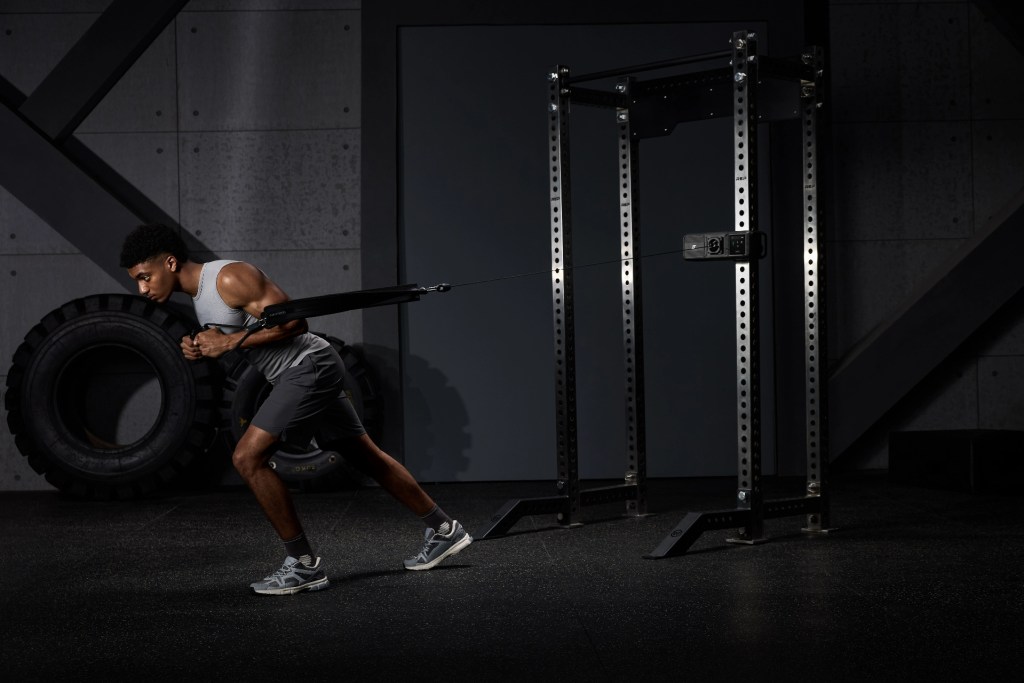
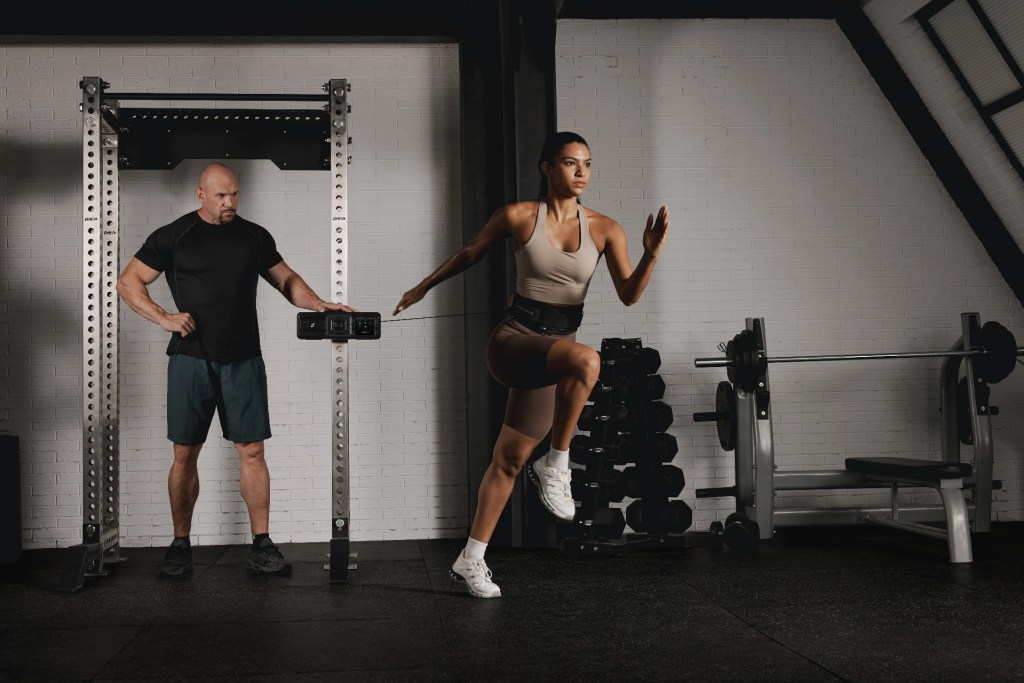
Announced at a press event in Berlin, and set for official launch on October 10, 2026, the Gym Nano is a compact, battery-powered digital resistance system from Speediance, a brand focused on data-driven strength and performance training. At just 8.2 kg and measuring 120 × 159 × 375 mm, it is designed to travel with the user rather than anchor them to a single location, whether that is a home gym, a hotel fitness room, or a personal trainer’s private studio.
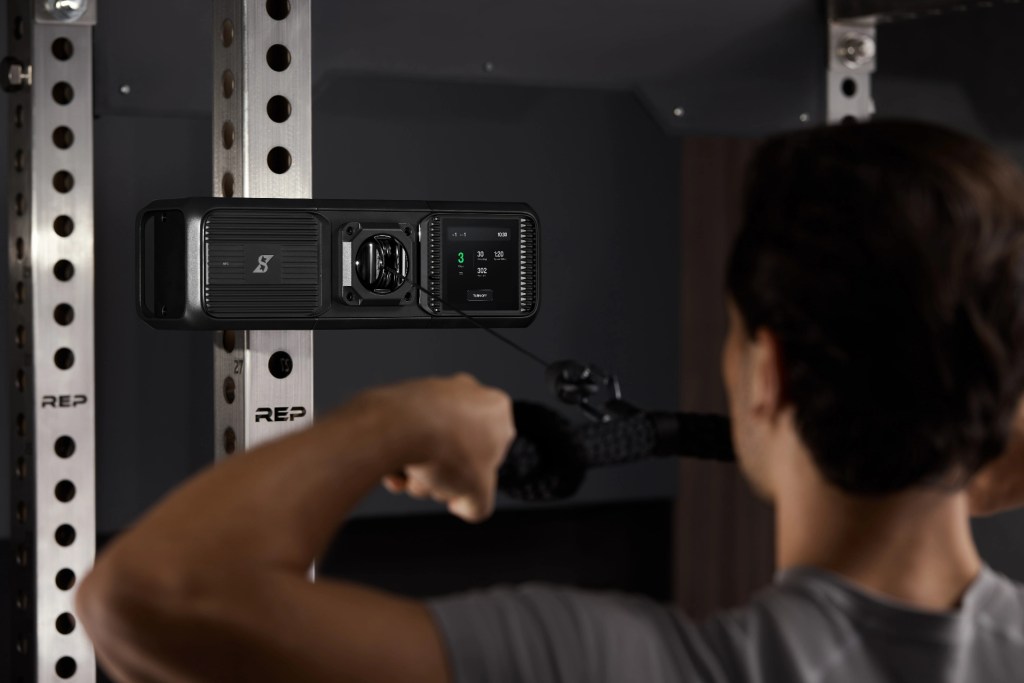
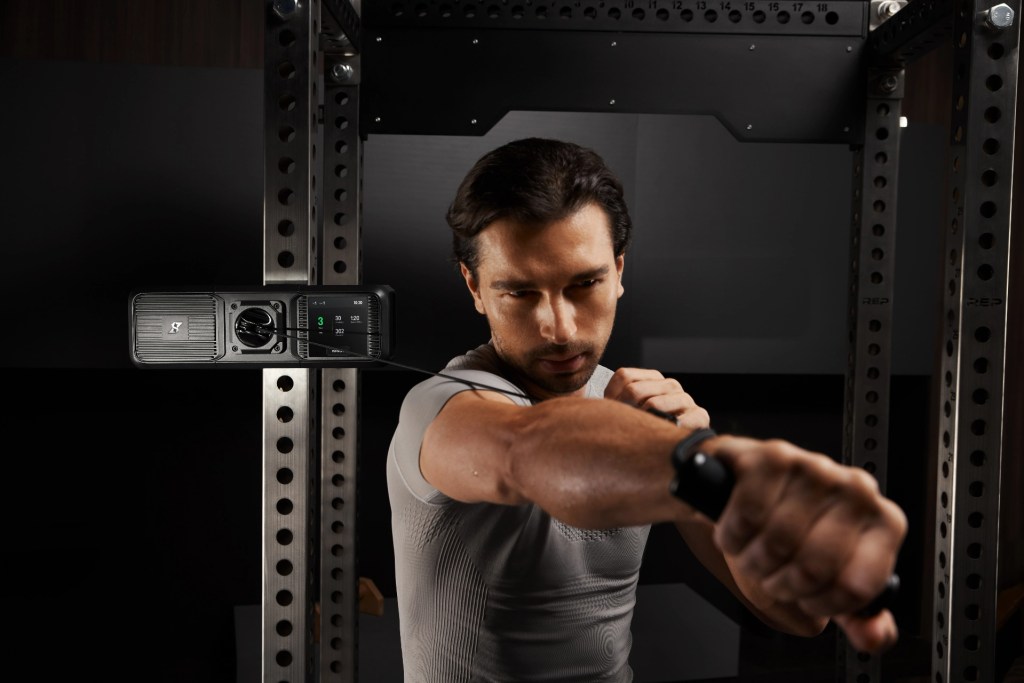
The unit delivers up to 100 kg (220 lb) of digital resistance through a direct-drive system, with a cable length of 5.1 metres and movement speeds of up to 6.4 m/s. That range covers everything from slow, heavy strength work to sprint resistance, jumps, and rotational movements, making it a genuinely versatile tool rather than a niche accessory.
Four Resistance Modes and Meaningful Performance Metrics
One of the more practical aspects of the Gym Nano is its omnidirectional cable outlet, which accommodates different pull angles and supports pushing, pulling, and rotational patterns. Speediance has built in four resistance modes (Standard, Eccentric, Chain, and Fixed Speed), along with dedicated performance modes for sled, ski, and rowing movements. That last group is particularly useful for athletes in hybrid or endurance sports who would otherwise need multiple specialist machines to replicate those movement patterns.
Where the Gym Nano distinguishes itself most clearly is in its integration of assessment and training. An isometric testing function measures peak force, rate of force development, impulse, average force, and left-right asymmetry, giving users a quantified baseline before a session even begins. During training, real-time data on resistance, speed, repetitions, and power output is available on screen. Post-session, set-by-set breakdowns and visual progress graphs allow users to track performance changes over time, which is the kind of longitudinal data typically reserved for more expensive, fixed equipment.
TWIN Mode and Bilateral Training
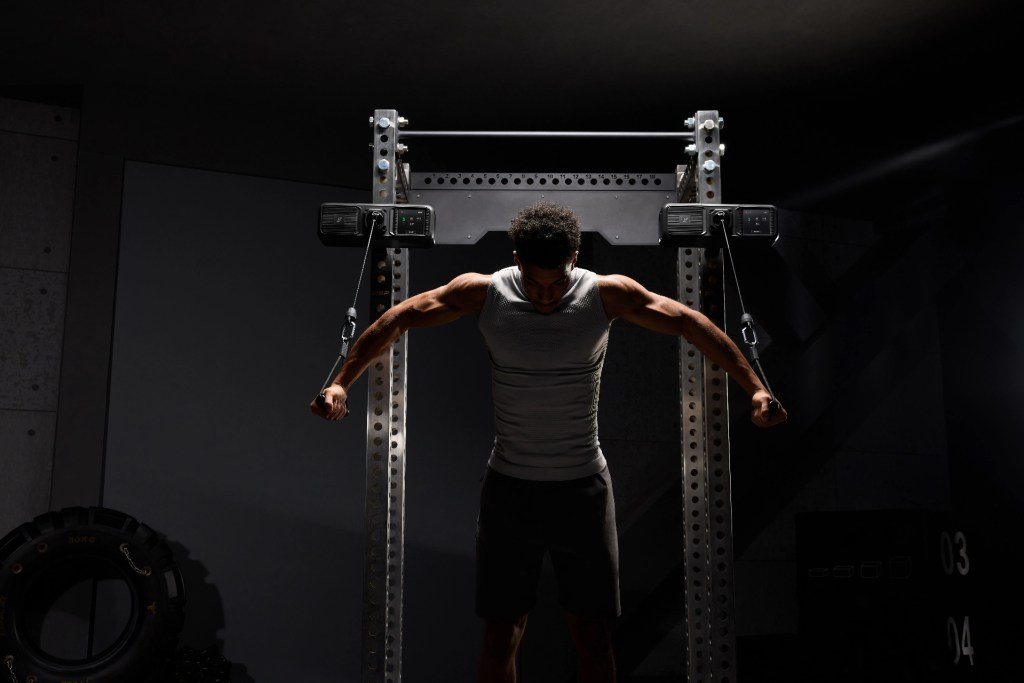
For users who want to address strength imbalances or train both sides independently, Speediance has included a TWIN Mode that links two Gym Nano units together. Each device can be set to a different resistance level, and the performance data from the left and right sides can be compared directly. It is a thoughtful addition for rehabilitation contexts or for athletes who want to monitor and correct asymmetries systematically.
Mounting, Portability, and Battery Life
The Gym Nano attaches to standard rack systems via a quick-release mechanism with four mounting options, including magnetic configurations compatible with 2 × 2 and 3 × 3 rack profiles. Its slim form factor and integrated carrying handle make repositioning and transport straightforward.
Power comes from a built-in rechargeable battery rated at approximately 95.68 Wh. Under Speediance’s own test protocol (12 sets of eight repetitions at roughly 27 kg per session), the battery supports up to 19 sessions per charge. As with any battery-based device, actual performance will vary depending on resistance levels, training mode, and environmental conditions.
Pricing and full availability details have not yet been confirmed. More information on the Speediance Gym Nano can be found on the official Speediance website.


