Home Blog Page 20

Soundcore Work AI Recorder Review

The Soundcore Work AI Voice Recorder introduces a new approach to voice recording, emphasizing portability and modern aesthetics. Unboxing reveals a slim, compact device with a streamlined form factor and solid build quality, designed for ease of handling and transport. The exterior features mostly aluminum materials, providing a premium tactile experience and suggesting durability. Initial impressions highlight the device’s thoughtful construction, aligning with expectations for contemporary tech accessories.

Key physical features:

  • Slim, lightweight design for portability
  • Refined exterior with attention to build quality
  • Circular dot indicating microphone placement

AI-Powered Voice Recording and Summarization

The core functionality of the Soundcore Work AI Voice Recorder centers on active voice recording and AI-powered summarization. A clickable button on the side enables seamless recording activation, while the circular dot houses the microphone for optimal voice capture. Wireless charging via POGO pins ensures convenient power management.

AI-driven transcription is performed within the Soundcore app, delivering accurate conversion of spoken content into text. AI-generated summaries streamline the review process, making it efficient for users to process recorded material.

Recording quality is consistently high, suitable for both professional and personal use. The integration of AI simplifies workflows for content creators, enabling quick capture and summarization of meetings, notes, or ideas.

The Soundcore Work AI Voice Recorder pairs a premium aluminum design with high-quality audio, positioning it as a versatile rival to popular compact microphones for content creators. Its standout AI-powered transcription and summarization features significantly streamline workflows, making it an essential, portable tool for turning meetings and ideas into actionable text.

User Experience and Functionality Testing

After several weeks of hands-on use, the Soundcore Work AI Recorder demonstrates high functionality and ease of use, with straightforward setup and operation accessible to both beginners and experienced users. Recording quality remains very good throughout various scenarios, supporting reliable content creation.

AI transcription within the Soundcore app is accurate and timely, enhancing workflow efficiency by quickly converting recordings to text. The device’s ability to function as an external microphone adds versatility, especially for podcasting and video production. Full disclosure, the recorder captured most of this review as a voice recording I transcribed to text.

External Microphone Use Case for Content Creators

The Soundcore Work AI Recorder is positioned as a promising external microphone option for content creators and YouTubers, offering quality audio solutions for video production and online content creation. It’s not as seamless, but this could easily compete with the DJI mini mic

DJI is a popular choice among creators, suggesting Soundcore Work could compete in the same market segment with the audio export feature. The device’s design and feature set may appeal to users prioritizing portability and audio quality.

Final Thoughts

The Soundcore Work AI Recorder stands out as a noteworthy external microphone candidate for content creators, with potential to rival popular options like the DGI mini mic. Further hands-on testing and user group analysis are essential to validate its competitive edge and market suitability. If a dedicated microphone with expanded AI capabilities is on your wishlist for 2026, then get it now at the links below.

At just $160, it offers a good value for the feature set. You can get the Soundcore Work AI Recorder in either white (featured here) or black.

Purchase the Soundcore Work AI Recorder from Soundcore

Purchase the Soundcore Work AI Recorder from Amazon

From Desk to Travel Bag: Journey’s Modular Approach to Modern Tech Gear

Modern workspaces are doing more than ever, and the accessories that live on them should pull their weight too. Journey Official has carved out a niche by designing everyday tech gear that feels intentional rather than incidental, products that solve real friction points while looking like they belong there in the first place.

This three-piece lineup shows how far that philosophy can go. From a desk mat that quietly doubles as a wireless charging hub, to a laptop sleeve that becomes a portable workstation, to a compact charger that replaces an entire tangle of cables, Journey’s latest accessories are built around the idea that one object should do more than one job and do it well.

Instead of chasing novelty, these products focus on practical upgrades to how people work, travel, and recharge their devices day to day. It’s a cohesive collection aimed squarely at professionals who want fewer accessories, less clutter, and gear that adapts as quickly as their routines do.

ALTI LIFT Wireless Charging Desk Mat

A minimalist desk setup featuring a wireless charging pad with a smartphone charging, a laptop, a keyboard, and a Nintendo Switch console.

The ALTI LIFT Wireless Charging Desk Mat from JOURNEY transforms any workspace into a hub of organization and efficiency. This innovative desk mat combines premium materials with smart technology to keep your devices powered and your workspace clutter-free.

Measuring 28.7″ x 14.6″, the ALTI LIFT provides ample space for your keyboard and mouse while featuring a versatile magnetic charging panel that can be positioned on either side—perfect for both left and right-handed users. The mat’s dual-surface design lets you flip between warm felt for winter comfort and smooth vegan leather for summer, adapting to your preferences and tasks.

What sets this desk mat apart is its Qi2-certified wireless charging capabilities. The adjustable charging panel delivers 15W fast charging for iPhones and Android phones (with included magnetic ring adapter), plus 5W charging for earbuds simultaneously. The clever flip-up phone stand rotates 360° for optimal viewing angles during video calls or hands-free screen time.

Organization enthusiasts will appreciate the hidden storage pocket between the mat layers—a smart solution for tucking away documents and reducing desktop clutter. The included anti-slip stickers ensure the mat stays firmly in place during use.

Available in Black or Grey Beige, the ALTI LIFT comes complete with everything needed: the desk mat, wireless charging panel with built-in phone stand, magnetic ring for non-MagSafe phones, anti-slip stickers, and a 1.5-meter USB-C cable.

For professionals seeking to declutter their workspace while keeping devices charged and accessible, the JOURNEY ALTI LIFT Wireless Charging Desk Mat offers an elegant solution at $149.99.

NEXA LIFT Laptop Sleeve With Charging Stand

A modern workspace featuring a laptop, smartphone on a wireless charger, wireless earbuds, and a notebook, set on a light wooden desk near a window with natural light.

Journey’s NEXA LIFT Laptop Sleeve transforms your mobile workspace with smart functionality. This innovative sleeve protects your laptop while doubling as a complete productivity hub. The built-in dual wireless charger powers your phone (15W) and earbuds (5W) simultaneously, while the clever magnetic phone stand offers two viewing angles for calls and content consumption.

What sets the NEXA LIFT apart is its multifunctionality. When other sleeves sit idle, this one converts into a mousepad or mini desk mat, creating an instant workspace anywhere. The exterior features a stylish split-material design with PU leather and water-resistant polyester, while the quilted interior safeguards your device from bumps and scratches.

Practical details make this sleeve exceptional. The expandable edges accommodate various laptop thicknesses, and the magnetic closure ensures secure protection. Available in two sizes (13/14-inch and 15/16-inch) and two colors (Midnight Black and Dove Grey), it weighs just 307-480 grams depending on size.

“My phone stays upright and usable while charging,” notes Trevor from Phoenix, highlighting the sleeve’s thoughtful design. Jordan from Los Angeles adds, “It’s not just storage—it’s a full setup.”

Perfect for remote workers, digital nomads, and anyone seeking organized productivity on the go. The NEXA LIFT Laptop Sleeve is available for $149.94.

ARIA 3-in-1 Wireless Charging Station

A modern wireless phone charger with a smartphone displaying a charging status of 75%. The charger is white and positioned on a wooden desk with a plant in the background.

The Journey ARIA 3-in-1 Wireless Charging Station brings smart charging to your everyday tech. This compact powerhouse charges your iPhone, Apple Watch, and AirPods simultaneously—no more hunting for multiple cables or outlets.

What makes the ARIA special is its dual-mode flexibility. Use it flat as a 2-in-1 charger or pop it open into a 3-in-1 stand that holds your phone at a comfortable 70-degree viewing angle in both portrait and landscape orientations. Perfect for video calls or catching up on shows while your device powers up.

Tech specs impress with Qi2 certification delivering up to 15W fast charging for iPhones (12 and newer), fast charging for all Apple Watch models, and 5W for AirPods. Android users aren’t left out—the included magnetic ring adds compatibility for non-MagSafe phones.

The thoughtful design includes a touch-controlled ambient light that’s just bright enough for nighttime use without disturbing sleep. When it’s time to travel, the ARIA folds flat to just 0.75 inches thick and weighs only half a pound—small enough to slip into any bag.

For those who hate cable clutter, the ARIA replaces three separate chargers with one sleek station that works equally well on a bedside table, desk, or hotel nightstand. The minimalist design blends into any space while keeping your devices neatly organized.

Journey ARIA 3-in-1 Wireless Charging Station is available for $129.99.

MediaTek Expands Chipset Portfolio With Dimensity 9500s and Dimensity 8500

0

MediaTek has introduced two new mobile chipsets aimed squarely at the upper tiers of the smartphone market. The Dimensity 9500s targets flagship devices that prioritize raw performance, advanced AI features, and immersive gaming, while the Dimensity 8500 is positioned for premium phones that balance speed, efficiency, and everyday responsiveness.

Together, the two processors extend MediaTek’s Dimensity portfolio across a wider range of high-end devices, giving phone makers more flexibility when designing smartphones that lean either toward no-compromise power or well-rounded performance.

Dimensity 9500s Focuses on Flagship-Class Performance and AI

The Dimensity 9500s is built on a 3nm manufacturing process and uses an All Big Core CPU design. Its octa-core configuration includes one Cortex-X925 ultra core clocked up to 3.73GHz, three Cortex-X4 premium cores, and four Cortex-A720 performance cores. This setup is designed to push sustained performance while keeping power use in check, a constant challenge in modern flagship phones.

On the graphics side, the chip integrates the Immortalis-G925 GPU, which supports advanced ray tracing for more realistic lighting and reflections in compatible mobile games. MediaTek pairs this with Adaptive Game Technology 3.0 and Frame Rate Converter 3.0, both intended to smooth gameplay while extending battery life during longer sessions.

AI plays a central role in the Dimensity 9500s. Its flagship NPU is tuned for generative reasoning and multi-modal models, supporting tasks such as live photo post-processing, AI image editing, and content summarization for calls, meetings, and files. These capabilities are designed to run directly on the device, reducing reliance on cloud processing.

Imaging is another major pillar. The chipset includes MediaTek’s Imagiq image processor with support for real-time 30fps motion tracking and 8K full-focus Dolby Vision HDR video recording. Features such as advanced noise reduction and fast snapshot capture are aimed at creators who want consistent results without manual tweaking.

Connectivity features round out the package, including a 5G Release 17 modem with up to 7Gbps downlink speeds, MediaTek’s UltraSave 4.0 power-saving technology, extended indoor Wi-Fi range support, and long-distance phone-to-phone Bluetooth connections of up to five kilometers.

Dimensity 8500 Brings Premium Performance With an Efficiency Tilt

Mediatek Dimensity 8500 logo displayed on a dark background with a glowing frame.

The Dimensity 8500 takes a slightly different approach, focusing on strong performance per watt for premium smartphones. Built on a 4nm process, it uses an All Big Core CPU design with eight Cortex-A725 cores running at up to 3.4GHz. This configuration is paired with accurate scheduling technology and support for LPDDR5X memory at speeds up to 9600Mbps, aimed at smooth multitasking and consistent battery life.

Graphics duties are handled by a Mali-G720 GPU, which MediaTek says delivers up to 25% higher peak performance and 20% lower power consumption compared to the previous generation. The chip supports ray tracing in mainstream mobile games, bringing more realistic visuals to a wider range of devices.

AI capabilities remain a priority here too. The Dimensity 8500 includes MediaTek’s eighth-generation NPU with support for widely used large language and image generation models. AI-driven imaging features include an ultra-clear telephoto algorithm and a semantic engine that optimizes image frames in real time.

A Broader Strategy for Flagship and Premium Phones

With the Dimensity 9500s and Dimensity 8500, MediaTek is reinforcing its push into higher-end smartphones by offering distinct options for different performance targets. The 9500s is geared toward devices that want to showcase peak CPU, GPU, AI, and camera capabilities, while the 8500 focuses on delivering a fast, efficient experience suited to daily use and gaming without excessive power draw.

More details about MediaTek’s Dimensity 5G mobile platforms can be found on the company’s official website.

Albiriox Malware Exposes Critical Flaw in Mobile Crypto Security

0

Cybercriminals just launched Albiriox, a powerful new Malware-as-a-Service threat aimed directly at Android users’ wallets. Criminals gain complete control of your device to steal funds from banking and crypto apps. This article details the malicious tool and its serious implications for your financial security.

The frontline of financial crime just moved from the server room to your pocket. For millions of users, that trusted Android phone holding their digital assets is now the most vulnerable point of attack. It’s been fueled by the recent news about Albiriox, a remarkably professional Malware-as-a-Service (MaaS) package explicitly engineered for On-Device Fraud (ODF). It’s a tool that grants criminals full, real-time control over your legitimate banking and crypto applications, bypassing all traditional perimeter defenses. While crypto prices today see-saw with global events, this new threat presents a more immediate security risk. 

Albiriox Employs On-Device Fraud

Explicitly built for On-Device Fraud (ODF), the Albiriox malware is a direct threat. Criminals use it to initiate fraudulent transactions directly within your legitimate crypto programs. Because the attack takes place inside the device’s own trusted session, it neatly sidesteps traditional security checks intended to catch external attacks. What’s the true cost of complacency? Binance strongly advises users to keep an extremely close watch on their accounts, with data confirming the severity of the threat. Binance’s platform alone prevented over 2.4 billion in potential losses between January and July 2024, protecting more than 1.2 million users globally.

Suspicious transactions flagged at the crypto withdrawal stage, the exact point criminals attempt to funnel stolen funds, made up over 1.1 billion. That single transaction type accounted for approximately 45% of the total blocked amount. Users are urged to “refrain from downloading software from unofficial sources.” Device compromise remains the primary security weak spot.

Criminals Exploit Trust for Entry

Infection begins with carefully crafted social engineering aimed straight at your trust receptors. Criminals utilize convincing SMS messages to trick victims into downloading a seemingly innocuous application, a piece of software called a dropper. Initial monitored campaigns, for instance, brazenly impersonated the popular retail app Penny Market.

But the distribution chain quickly became more technically sound. Landing pages soon demanded users provide a phone number to receive the critical download link via WhatsApp. These methods deploy the main Albiriox payload in a sophisticated two-stage chain built specifically to bypass detection. Offered as a Malware-as-a-Service (MaaS), the tool was initially priced at $650 per month, with an upcoming increase to $720. Russian-speaking individuals appear to be behind this dangerous and professional operation.

The Technical Mastery of Total Control

Underneath its deceptive shell, Albiriox possesses powerful, invasive components. Containing a hardcoded list of over 400 targeted financial applications, it seeks a wide range of global platforms. Combining a Remote Access Tool (RAT) with a separate Overlay Attack mechanism, the threat targets users across multiple vectors. Experts found the RAT leverages the phone’s Accessibility features, which bypasses security screens that normally prohibit recording within banking applications.

Developers confirmed that terms like “hVNC” are purely marketing, as the real goal is a full device takeover. Attackers gain control of your interface and often blank the screen to hide their activity. Even the best user-end security can be bypassed. Since even the safest platforms can be cracked, Binance maintains a $1 billion SAFU fund as a final safety net for its users. The extra protection comes from high collateralization ratios across the platform. Bitcoin holdings, for example, were backed at 103.5% in the October 2025 Binance snapshot.

Android Mounts a Defense

Google understands the immense security challenge posed by mobile malware on its operating system. With over 2 billion active Android devices worldwide, the company must constantly mount a significant defense against malicious programs. Launching Google Play Protect, a comprehensive scan engine integrated into the Play Store, represents one layer of their defensive stack.

The Web3 sector continues to grapple with substantial external security incidents. According to a report highlighted by Binance, the sector suffered total losses exceeding $2.36 billion across 760 incidents during 2024. Phishing attacks, the exact type of social engineering that infects phones with Albiriox, accounted for $1.05 billion of those losses, nearly 50% of the annual total. Fortunately, new protective measures have dropped the device infection rate to only 0.25%, a testament to their effectiveness.

Professionalizing Mobile Crime

Selling the Albiriox toolkit as a service dramatically lowers the required technical skill for fraudsters globally. Through this “rental” business model, professional crime syndicates can monetize their illicit work repeatedly. Adrian Ludwig, head of Android Security, spoke about creating an AI-based system capable of autonomously detecting and removing malware.

Early results show the AI-based system is already able to identify almost 55% of malware from test samples. Closing 2024 with over 250 million registered users, the exchange’s scale mandates a serious resource commitment to security. Furthermore, the company bolstered its expert in-house compliance team to 650 personnel, successfully preventing a total of $4.2 billion in potential losses for 2.8 million users over the year.

Albiriox signals mobile malware shifting toward professional, MaaS-based, real-time device control. Maintaining absolute skepticism of unsolicited download links, enabling hardware-based two-factor authentication, and practicing robust personal security remain the best strategies. Every layer of personal defense you add makes you a less profitable target.

EDITOR NOTE: This is a promoted post and should not be considered an editorial endorsement

Suunto Vertical 2 Review

If you are like me, then you didn’t know much about a small, Finnish company called Suunto a few months ago. For those not in the know, the company has been making fantastic fitness watches for years. And the company has been on a tear of updates in 2025.

Over the last six months, Suunto has released the Race S, the Run, Race2, and the latest in this review, the Vertical 2 watch. Building atop the platform of the Race 2, this new Vertical 2 could be the adventure wearable you’ve been waiting to buy.

Design

I’ve really enjoyed the industrial design language that Suunto has brought to the market with this generation of watches. Just as the Race 2 was a larger model of the Race S, the Vertical 2 is a beefier Race 2. This houses the same AMOLED 1.5-inch screen with 466×466 resolution. This makes for a vibrant display capable of sharp viewing in any environment.

Controls are slightly altered for the Vertical 2 to have a more “glove-friendly” software navigation over other models with a digital crown. This Suunto makes use of a three button layout to move through menus and screens. I can’t decide which I prefer, but the new buttons have a solid build and very good travel for tactile feedback.

Atop the watch, is the most star addition. Here, you’ll find a dedicated LED flashlight built into the casing of the Vertical 2. The light is bright enough to get you around in a pitch black environment.

Having a flashlight may seem like a gimmick at first, but I’ve found I used it often. From the midnight run to the porcelain throne, to find the remote under the couch, it’s just handy. I especially liked using it while visiting my in-laws recently. They don’t have a fenced yard and the Vertical’s flashlight gave me added visibility and safety for nighttime dog walks.

The Suunto Vertical 2 has a rugged, and ribbed, stainless steel bezel (there’s a $100 upgrade for a titanium variant). The screen is encased in the extremely durable sapphire crystal glass. This offers all around quality to avoid scratches and dings to the watch. The casing is fiberglass polymer, which is fancy for plastic.

Lastly, the underbelly houses the updated optical sensor arrays. This is identical from the one found on the Race 2 and should lend to solid heart rate tracking. 

The Suunto Vertical 2 is a rugged powerhouse, pairing a brilliant AMOLED display and a built-in LED flashlight with the kind of marathon battery life that leaves standard smartwatches in the dust.

Software and Fitness

I’ve come to really enjoy the operating system Suunto runs on these watches. The optimized Linux system is fast and efficient. The navigation is mostly vertical in the main menus, with sub-menus moving you horizontally via the mentioned three button layouts. The top and bottom button move you up and down menus, while the middle one functions as a select, with long-pressing taking back one screen.

There are a few daily comfort things I’d like to see added in the software. The weather widget is well-designed, but painfully stripped down. You can only view the current day’s data. It desperately needs a five to ten-day forecast option.

The same is true for notification mirroring. You get just one line of notification preview, and most of that is taken up by the app name on the screen. I’d love to see Suunto start to take advantage of the large screens found on these latest watches, like the Vertical 2. I should be able to scroll through an email or text to see most, or all, of the included message.

You can’t have a fitness tracking smartwatch without the fitness. Thankfully, Suunto has one of the most robust options on the market with the Vertical 2. There are over 115 sports modes including cross-training, mountain climbing, hiking, running, and even chores. Yep, chores! Call me crazy, but I’ve been using the crap out of this one doing fall yard work and leaf removal.

All this data is backed up in the companion app. Available on iOS and Android, the Suunto app offers a well-designed dashboard to house all your metrics. You have dedicated home widgets for things like Sleep, Steps, Heart Rate, and recent Fitness Activities.

The longer you use the Vertical 2, the more intuitive and insightful the app becomes. The company has built a solid option that takes in account of all your relevant sleep and fitness data into meaningful results. Resources gives you a metric of how you should “feel” based of exertion and activities and how much time you’ve given to recovery.

Suunto Coach utilizes AI to see trends in your Activities and Recovery to offer suggestions that don’t complete feel wasteful nonsense. You can even use it to build a fitness improvement program. I’ve been using it to follow a 10-week overall fitness program, and it’s done a good job of slowly building up my endurance and strength training incrementally, much like a personal coach would schedule.

As Vertical 2 is focused on the outdoors crowd, the star of the software are the offline maps and navigation. Including things like route planning from the app and point of interest, you can easily navigate through any task. Whether it’s a walk to the nearest coffee shop, or that endurance trail run, this navigation system has you covered.

Battery Life and Comfort

To make use of all that powerful navigation prowess, the Vertical 2 needs unmatched power. While I didn’t have a scenario to test the estimated 65 hours of dual-band GPS activity tracking, I don’t doubt these claims. I’ve been consistently getting over 16 days of real-time battery life using the full smartwatch mode, Always-on display turned OFF, but running all-the-time heart rate tracking.

This blows most first party options like the Galaxies, Apple Watch, and Pixel Watches out of the water in endurance options. Honestly, that dual-band GPS mode makes it the longest lasting watch I know of on the market for those types of tracking. Charging isn’t great at around 90 minutes, but adequate via the USB-C magnetic charger.

While my time has been overwhelmingly positive, I do have one negative around the Vertical 2: size. The Suunto is big, bulky, and heavy. Even side-by-side to the Race 2, the screen and width are almost identical, but the added girth for the battery and flashlight are immediately noticeable on the wrist.

Especially on smaller wrists. I’m not a huge guy, and this thing can look massive at times. I don’t mind, and like larger watches, but it’s worth considering. 

Final Thoughts

Suunto has found a rhythm in 2025 and the Vertical 2 is the peak of this new generation of fitness watches. The vibrant screen, superb battery life, and robust mapping makes for the adventure watch to have at the top of any shopping list. It has strong competition from the likes of Garmin and even the Suunto Race 2, but if you’re a hardcore outdoorsman, this could be the watch for you.

The Suunto Vertical 2 is $599 for the stainless steel model and $699 for the titanium bezel upgrade. Both are easily worth the investment, and the titanium should cut down slightly on the weight issue.

Purchase the Suunto Vertical 2 from Suunto

Purchase the Suunto Vertical 2 from Amazon

CZUR ET series: AI Curve Flattening and OCR Lead the Future of Smart Scanners

0

In today’s era of digital offices and knowledge management, digitizing paper documents is no longer just about archiving but about transforming information into accessible, searchable, and reusable data. According to IDC, over 72% of businesses are accelerating their document digitization efforts, while more than 60% of librarians and academic institutions have made non-destructive scanning a top priority.

Yet, in practice, many users still struggle with slow scanning speeds, distorted images, and unsearchable files. These challenges underscore the widening gap between traditional scanners and modern smart scanners, which utilize AI algorithms and OCR technology to introduce efficiency and intelligence at every stage of the digitization process.

A digital archive setup featuring a book scanner positioned over an open book, surrounded by floating digital documents and the text 'Preserve the Past, Empower the Future' along with the CZUR logo.

1. From Traditional Scanning to Smart Scanning: The Evolution of Technology

Type of ScannerScanning PrincipleApplicable ScenariosLimitations
Flatbed ScannerOptical component scans line by lineSingle-page documents, photosCannot handle thick books; slower scanning speed
Portable Scanner PenHandheld sliding scanSmall sections of textProne to shaking and image distortion
Overhead ScannerHigh-resolution lens + AI algorithmsBooks, archives, receipts, blueprintsRequires proper lighting and placement conditions

The true strength of a smart scanner goes beyond faster scanning speeds or higher resolutions. Its real power lies in the seamless integration of AI-driven image processing and OCR (Optical Character Recognition) technologies. Together, these innovations elevate scanning from mere image capture to genuine content comprehension, delivering higher-quality results and a far more efficient digitization workflow.

One of the most impressive breakthroughs is Curve Flattening technology. Using built-in laser depth sensors or multi-point imaging algorithms, a smart scanner can automatically detect the curvature of a book spine and page surfaces, generate a real-time 3D model, and reconstruct a perfectly flat digital image. Unlike traditional flatbed scanners that require manual pressing of the pages, this technology not only protects delicate or tightly bound materials, such as archival books, but also significantly accelerates the scanning process—making high-volume book digitization faster, safer, and more accurate.

The automatic edge detection and cropping feature is powered by deep-learning image segmentation models that can precisely identify document boundaries, automatically align pages, and remove background noise. Whether the scan is slightly tilted, unevenly lit, or involves papers of varying sizes, the system ensures pixel-level accuracy without requiring any manual adjustments.

In addition, the AI model can intelligently remove fingers and shadows from the scanned image. When scanning thick books or manually turning pages, the system uses background differencing and depth recognition algorithms to distinguish between the main content and unwanted objects, preserving only clean and professional-looking results. This eliminates the common “finger-in-frame” issue and significantly enhances the readability and usability of scanned materials such as books, newspapers, and archives.

Meanwhile, OCR (Optical Character Recognition) technology gives the scanner the ability to understand what it scans. Modern smart scanners support multi-language recognition, including English, Chinese, Japanese, and Korean. Even under challenging conditions such as complex lighting or mixed fonts, OCR accuracy can reach over 98%. The processed files can be exported not only as searchable PDFs but also as editable formats like Word, Excel, or TXT, greatly improving efficiency in document organization and digital archiving.

A person holding a tablet while seated at a table covered with white paper and stationery items.

2. Key Parameters Affecting Scanning Quality and Efficiency

When evaluating the performance of a smart scanner, scanning quality and efficiency are the most critical factors. They directly determine the clarity and readability of digitized documents, as well as the accuracy of OCR recognition in post-processing. The following parameters are the key factors that define overall scanning performance:

  • Resolution (DPI) and Accuracy

DPI (Dots Per Inch) measures the number of pixels captured per inch, serving as the core indicator of image detail and text sharpness.
For everyday use, such as documents, contracts, and invoices, 300 DPI is sufficient for printing and archiving purposes.

For high-fidelity tasks like illustrations, maps, design drafts, or historical manuscripts, a resolution of 600 DPI or higher is recommended to ensure full preservation of handwriting, textures, and stamp details.

According to Buyers Lab (BLI) test data, under the same lighting and scanning algorithm conditions, every 100-DPI increase can improve OCR recognition accuracy by an average of 2.5%. This means upgrading from 300 DPI to 600 DPI can enhance overall recognition accuracy by nearly 7.5%, especially noticeable with small fonts or handwritten materials.

  • Scanning Speed

Scanning speed directly determines the efficiency of document digitization.
Traditional flatbed scanners typically take 10–15 seconds per page and require manual page turning and alignment.

In contrast, overhead smart scanners can complete a scan in just 1–2 seconds per page, and many models support continuous scanning through a foot pedal or automatic page-turn detection.

  • Lighting and Exposure

The lighting system plays a major role in determining image clarity and color accuracy.
Modern smart scanners generally adopt a dual-light design (top + side) to effectively reduce reflections, shadows, and glare spots.
The top light source provides uniform illumination to ensure balanced exposure, while the side light can be adjusted to compensate for shadowed areas and brighten the binding edge.

According to test results, optimized lighting conditions can reduce grayscale noise at image edges by over 40%, significantly improving OCR segmentation and curvature correction accuracy.
Additionally, some smart scanners are equipped with Automatic Exposure Control (AEC) and color restoration algorithms, which automatically adjust brightness and white balance based on the paper’s reflectivity, producing results that look more natural and true to the original document.

A person in a light green blazer is placing a sheet of paper into a printer on a desk, with a laptop and plants visible in the background.

3. OCR and File Management: The True Value After Scanning

True digitization is not just about “capturing clearly,” but about “making data usable.”
OCR (Optical Character Recognition) transforms scanned images into editable text, enabling a range of powerful functions:

  • Full-text search and retrieval: For example, finding the term “expiration date” within hundreds of contract pages in just seconds.
  • Multi-format export: Supports output to PDF, Word, Excel, TXT, and more.
  • Batch naming and indexing: Automatically generates filenames (e.g., date + page number) for easier archiving.
  • Cross-device collaboration: Upload scanned files to cloud platforms such as Google Drive or Dropbox for seamless sharing.

According to data from a university’s library digitization project, after introducing an OCR-powered smart scanning system, document retrieval time was reduced by 67%, while the average daily scanning volume more than doubled.

4. Professional Tips for Scanning Books

  • Use a stand or book holder: Helps control page curvature and reduce edge blurring.
  • Enable automatic page-turn detection: Prevents duplicate scans or missing pages.
  • Activate batch mode: Ideal for scanning archives, exam papers, or multi-page documents.
  • Standardize export formats and naming conventions: Use a format like “YYYYMMDD_Topic_PageNumber” for easier indexing and retrieval later.
  • Regularly back up digital files: Maintain both cloud synchronization and external hard drive backups for data security.
A person reviewing printed documents while typing on a laptop, with reports and charts visible on a table.

5. Why Smart Scanning Is the Future?

Research shows that document digitization can help businesses reduce storage costs by up to 40%, while significantly improving information utilization and data security.

With the rapid advancement of AI recognition algorithms and high-speed imaging hardware, scanners are evolving from static image devices into intelligent information acquisition terminals.

Take smart scanners (such as the CZUR series) as an example:

  • Equipped with dual-lens systems and AI curve-flattening algorithms, they automatically correct page distortions.
  • Support scanning speeds of up to 340 pages per hour.
  • Offer OCR recognition in over 180 languages, making them suitable for fields like education, law, and design.

These devices transform scanning into true data capture, allowing paper-based information to become analyzable and long-lasting digital assets.

Conclusion

Efficiently scanning documents and books is not just a technical process, but it’s a core element of information management. From DPI and lighting to OCR algorithm optimization, every detail directly affects data usability.

The emergence of smart scanners has transformed what once took hours into an automated process that can be completed in just minutes.Choosing the right tool, such as a smart scanner with AI correction and OCR recognition, not only ensures clearer scans but also makes your information truly intelligent.

EDITOR NOTE: This is a promoted post and should not be considered an editorial endorsement

Clicks Communicator is the First Phone to Excite Me in Years

0

Some may know, but I’m not new to the smartphone space. I’ve been around to watch the entire segment form, growing around pocket computers and the traditional phone merging. This has included owning phones from every major player across the last two decades from the likes of Nokia, BlackBerry, Apple, and Google/Android. 

Through all of these devices, I’ve held a certain soft spot for Palm and the webOS line of smartphones. I still own every device that ever held that name and software platform. The Palm Pre and the later debacle around the fall of the HP TouchPad tablet got all the press, but the Palm Pixi was an unsung option from Palm that was a fantastic QWERTY candy-bar phone.

Lineage I Trust

I laid down this bit of backstory to say that a new phone has piqued my interest more than anything in recent years. The recently unveiled Clicks Communicator is giving me strong “grown up” Palm vibes all over the place, and I’ve already reserved my personal Communicator. Formed by a triad of former webOS and BlackBerry faithful, it should make it no surprise that this new device was up my alley.

Honestly, the people behind these devices couldn’t be more suited to create the Communicator. Crackberry Kevin Michaluk was crucial in the early days of the media presence surrounding the cult of BlackBerry. In a similar vein, Michael “Mr. Mobile” Fisher has been an avid webOS supporter and historian like myself. The final creator is Jeff Gadway, who spent seven years as head of product marketing at BlackBerry itself.

This lineage jumped off my monitor screen when I saw Mr. Mobile reveal the Clicks Communicator on social media. The overall dimensions give me a strong BlackBerry Classic recall, which is strong praise as holds in my heart as one of the most solid pieces of smartphone hardware ever produced. Pair that with the keys and over all shape of a Palm Pixi, and it’s like two of my favorite vestiges of the physical keyboard market were combined into a single device.

Full of Promise

And then they did it. They gave me a place to flop down my hard-earned money to reserve one.  If this had been from any other group, I don’t think I’d have moved much further than “that’s neat”. Other companies are still making phones with physical keyboards, like the Unihertz Titan 2, but this core of creators really was the tipping point for me.

Not only do I believe they’ll succeed on bringing the promises they’ve made already, I believe hardened veterans of the market like Kevin and Michael will hold fast to things like frequent updates and software tweaks. I sincerely hope this includes direct consumer feedback as well. When it looks like a labor of love, and I think that’s true here, then usually you get real world results that match that passion. 

I for one, can’t wait to get my hands on the Click Communicator. If this device also intrigues you, hit the Click’s website to find out more, or reserve your model today.

REDMAGIC Teases Golden Saga Limited Edition

0

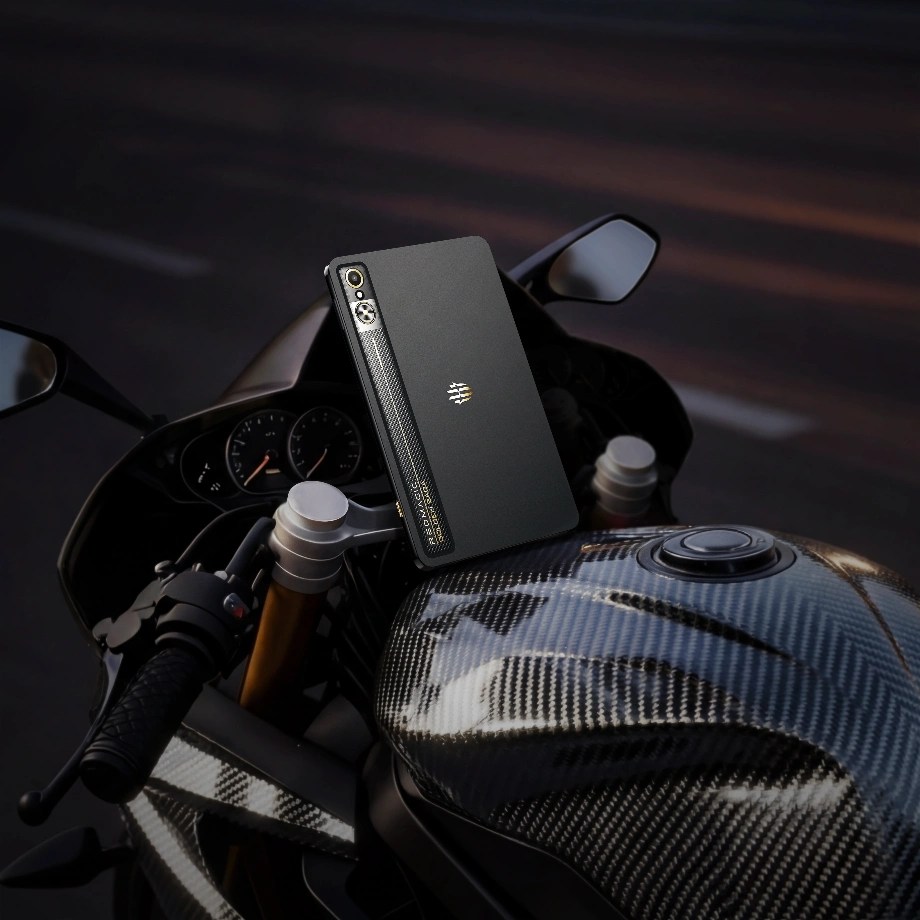
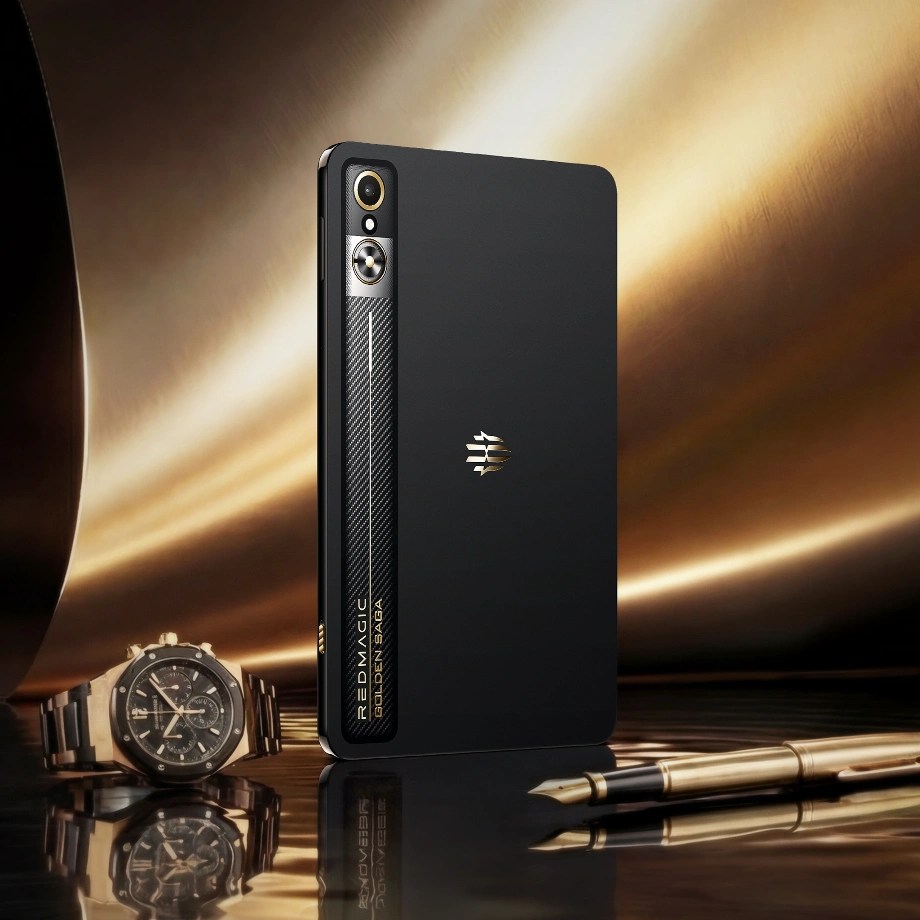
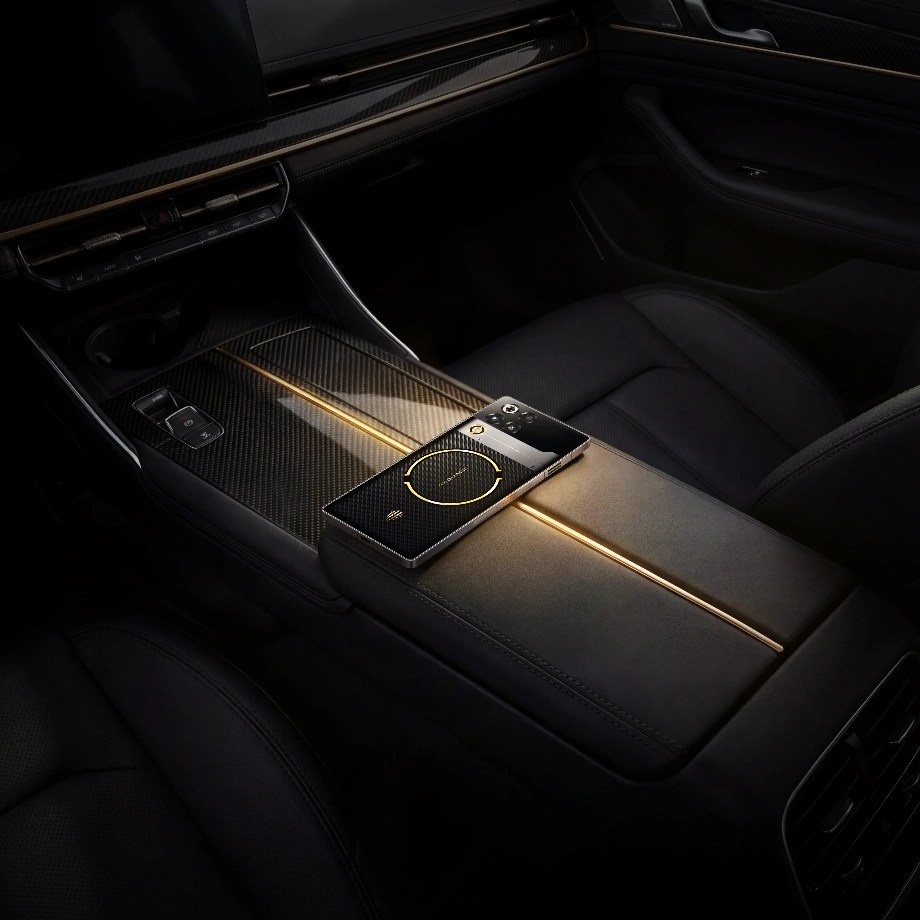
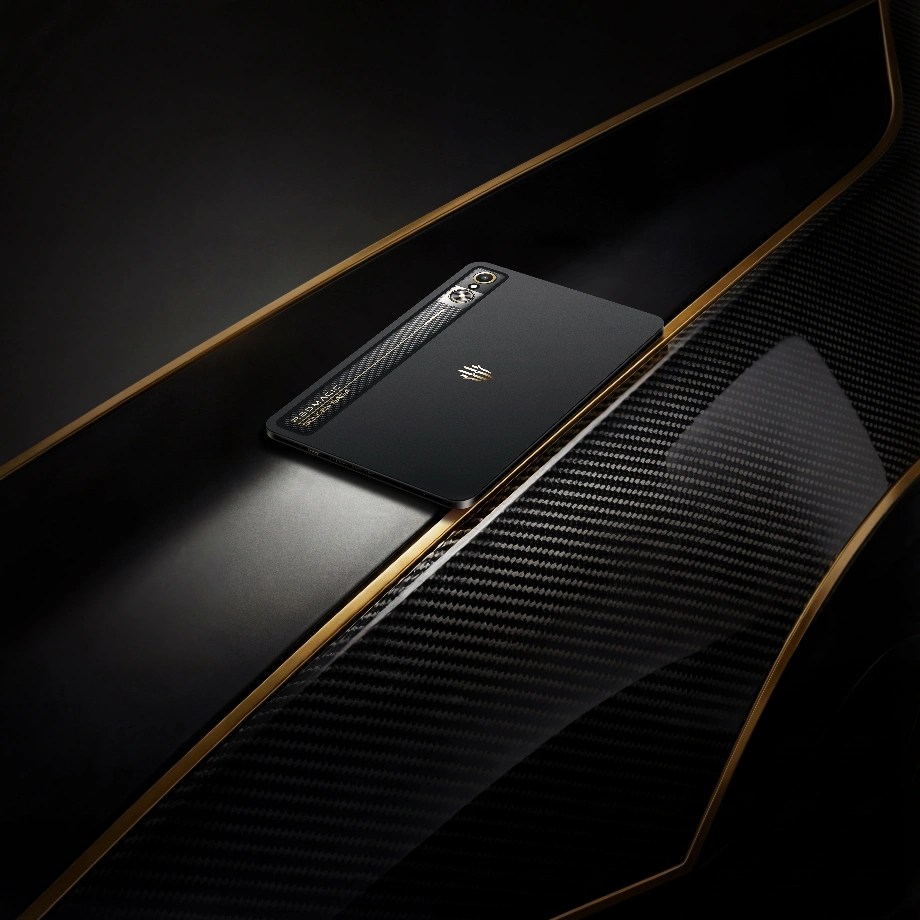
REDMAGIC officially released its most ambitious project to date: the Golden Saga Limited Edition Collection. This exclusive release marks a historic milestone for the brand, debuting two flagship devices simultaneously—the REDMAGIC 11 Pro Golden Saga and the REDMAGIC Astra Gaming Tablet Golden Saga.

More than just hardware, this collection is positioned as a fusion of elite engineering and fine artistry, utilizing precious materials rarely seen in the tech industry to create a new category of Luxury Gaming.

REDMAGIC: Engineering with Precious Metals

The Golden Saga series breaks new ground by integrating genuine gold and silver into the internal architecture of the devices. While these metals provide a lavish aesthetic, their inclusion is primarily functional. Silver and gold possess industry-leading thermal conductivity—measured at 429 W/(m·K) and 317 W/(m·K) respectively—allowing the cooling systems to dissipate heat with unprecedented speed.

This precious metal cooling is bolstered by the use of supercar-grade carbon fiber and aerospace-grade sapphire glass (Mohs hardness of 9). By combining these high-end materials, REDMAGIC has created a chassis that is virtually scratch-proof, structurally resilient, and thermally superior to standard aluminum or glass builds.

Jiang Chao, General Manager of REDMAGIC, has frequently emphasized that the brand’s mission is to perfect showstoppers rather than just participate in the industry’s spec race. Regarding the Golden Saga, he noted:

“The Golden Saga Limited Edition represents a defining moment where high-performance gaming hardware merges with the artistry of luxury craftsmanship. This collection is for those who seek the pinnacle of performance—no compromise, just pure power.”

REDMAGIC 11 Pro Golden Saga: The Ultimate Flagship

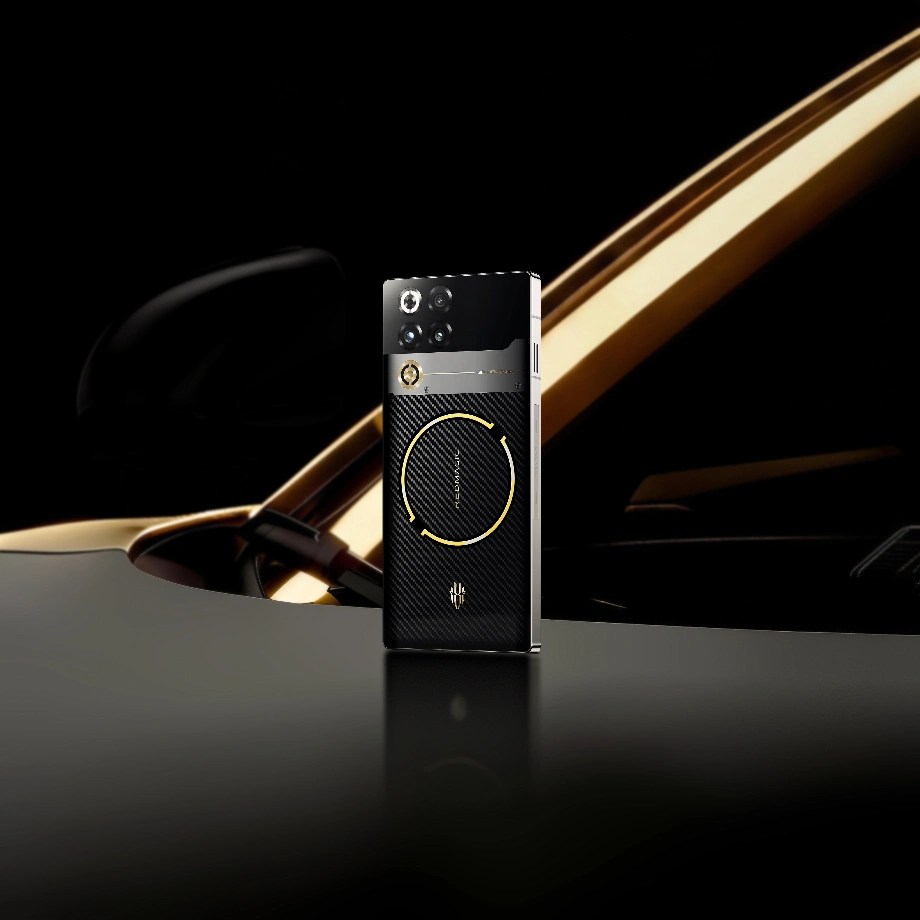
At the center of this collection is the REDMAGIC 11 Pro Golden Saga. This smartphone is a powerhouse, driven by the Snapdragon 8 Elite Gen 5 processor and the custom RedCore R4 gaming chip.

Key Innovations:

  • AquaCore Liquid Cooling: An industry-first AI-inspired system featuring a non-conductive fluorinated liquid that creates a “flowing gold” visual effect while maintaining icy temperatures.
  • Gilded Internals: The device utilizes a gold-plated vapor chamber and a gold-silver thermal channel to prevent throttling during intense play.
  • Elite Aesthetics: The phone features a mirror-silver frame, a 1.5K notchless full-screen display, and custom gold-trimmed hardware accents.
  • Performance Specs: A massive 7,500 mAh battery powers the device, supported by 80W wired and wireless charging.

REDMAGIC Astra Gaming Tablet: High-Frame Mastery

The Astra Gaming Tablet Golden Saga brings the same level of luxury to the large-screen experience. Designed specifically for competitive players, it focuses on frame-rate stability and immersive feedback.

The tablet is optimized for extreme performance in popular titles, supporting:

  • Minecraft: 165 Hz
  • Call of Duty: Mobile: 144 Hz
  • PUBG Mobile: 120 Hz

To sustain these high speeds, the Astra incorporates a 20,000 RPM Turbofan and a dual-layer gold-plated vapor chamber. The exterior is wrapped in carbon fiber with a “carbon-crystal” texture, accented by sapphire glass and dynamic RGB lighting to create a cinematic gaming environment.

The Golden Saga Limited Edition Bundles

Both the smartphone and the tablet are delivered in bespoke collector’s packaging. These bundles are designed for enthusiasts who value exclusivity, with each set including a uniquely numbered VIP card.

Availability

Registration for product notifications is now live on the official REDMAGIC website for the REDMAGIC 11 Pro Golden Saga and the REDMAGIC Astra Gaming Tablet Golden Saga. The global launch and preorders will officially begin on January 19, 2026, at 19:30 HKT (6:30 AM EST / 12:30 PM CET).

Best of CES 2026: These 16 Products Were Our Favorites

CES 2026 once again delivered a flood of announcements, prototypes, and polished consumer products. Starting right around the beginning of the year, and continuing through the end of the annual trade event, our inbox was overflowing with announcements, fighting for our attention. And that’s before you hit the show flow floor and see thousands of things vying for your attention.

Try as we might, it’s practically impossible trim things down to a definite list; there’s just too many things we liked or excited us from Las Vegas.

This year’s Best of CES selections reflect devices that aim to improve daily routines, reduce friction, or rethink familiar categories in meaningful ways. From smarter home infrastructure to personal tech with a practical edge, these 16 products earned attention for more than just novelty. We’ll be eagerly awaiting the arrival of each of these.

TCL NXTPAPER 70 Pro: A Phone That’s Easier on Your Eyes

A smartphone displayed on a stand with a bright wallpaper featuring sunflowers, showcasing various app icons on the home screen.

TCL’s NXTPAPER 70 Pro is built around a simple idea more phones should try: your screen doesn’t need to feel like a spotlight aimed at your face. The matte, paper-like display cuts glare and makes scrolling, reading, and late-night doomscrolling feel noticeably calmer.

The best part is that it’s still a full Android smartphone, not a “detox device” that asks you to give up modern life. With a physical shortcut that can shift the screen into more subdued or grayscale modes, it’s a smart pick for anyone who reads a lot on their phone, hates harsh screens, or wants a little more “focus” without going off-grid.

Roborock Saros 20: The Robot Vacuum That Doesn’t Get Stuck Living in Your House

Roborock’s Saros 20 is exciting because it tackles the most annoying robot vacuum problem: getting hung up on thresholds, transitions, and thick rugs like it forgot how floors work. This one is designed to climb and adapt, so it can actually cover more of your home without you “baby-proofing” the layout first.

It also aims to combine strong cleaning power with smarter avoidance, so it can work confidently around everyday clutter. The takeaway is simple: the Saros 20 looks like a robot vacuum built for real homes, not showroom floors, and that’s exactly the direction this category needs.

Aiper Scuba V3 Ultra: The Pool Robot That Acts Like It’s Paying Rent

A sleek black device mounted on a wall, featuring vents and a logo, displayed against a blue background.

Pool ownership comes with a full-time side quest: debris, walls, waterline gunk, and the constant sense that the pool is slowly judging you. Aiper’s Scuba V3 Ultra is compelling because it’s positioned as more than a basic floor cleaner, aiming to handle multiple parts of the pool without needing constant supervision.

It’s the kind of product that appeals to anyone who wants their pool to be a “nice thing to have,” not a weekend job. The promise is simple: fewer manual cleanups, more consistent results, and a pool that stays guest-ready with less effort.

Dreame Furcatch Air Purifier FP10: Built for Homes With Pets (and Pet Chaos)

Most air purifiers are great at smoke and dust, then immediately tap out when pet hair gets involved. Dreame’s Furcatch FP10 is interesting because it’s designed to handle the reality of shedding: hair that clogs intakes, mats up filters, and turns “air cleaning” into another weekly chore.

Instead of letting fur build up until performance drops, it’s engineered to keep the intake cleaner over time and make maintenance feel less constant. For pet owners, that’s the dream: cleaner air, fewer odors, and less time babysitting a device that’s supposed to make life easier.

GoveeLife Smart Nugget Ice Maker Pro: Nugget Ice, Without the Noise Penalty

A modern black countertop oven with a transparent door, featuring a control panel on top and a small cup holder attached to the side.

Nugget ice machines are fun until they sound like they’re chewing rocks in your kitchen. GoveeLife’s Smart Nugget Ice Maker Pro is exciting because it focuses on the two things that actually matter: reliability and quieter operation, so you’ll use it every day instead of only when company’s over.

It also leans into scheduling and app control, which is a genuinely practical perk for parties or routine use. If you want nugget ice at home, this feels like the more livable, less “temperamental appliance” take on the category.

DESLOC V150 Plus: A Smart Lock That’s Trying to Outgrow Battery Anxiety

Smart locks are convenient until the battery worry creeps in, especially on busy doors where you don’t want another device to manage. The DESLOC V150 Plus stands out because it leans into self-charging, aiming to reduce the “when did I last swap batteries?” mental overhead.

It also brings a security-first vibe with multiple ways to unlock, so households can choose what feels easiest day to day. The headline here is peace of mind: a smart lock should feel like a set-it-and-forget-it upgrade, not a new thing on your maintenance checklist.

Pebble Round 2: A Smartwatch for People Who Miss Simple

Three smartwatches displayed on stands, featuring different designs and colors. The left watch has a blue face with white hands, the middle watch has a gold case with a red strap and a message displayed on the screen, and the right watch has an illustration of a cat with a colorful rainbow background.

Pebble’s comeback energy is real, and the Round 2 is exciting because it leans into what made Pebble beloved in the first place: simplicity, battery life, and a smartwatch that doesn’t try to be your second phone. It’s built for the basics, like notifications, quick info, and daily convenience.

There’s also something refreshing about a device that respects your attention instead of trying to consume it. For anyone burned out on charging every night and managing endless watch features, Pebble Round 2 feels like a return to a calmer, more intentional kind of smartwatch.

Nirva: A Wearable That Pays Attention to Stress, Not Just Steps

Fitness wearables are great at telling you what your body did. Nirva is interesting because it tries to help you understand how you’re doing emotionally, not just physically. The concept centers on patterns in your voice and daily rhythm, with the goal of turning vague stress into something you can actually notice and manage.

The design matters here too: it’s meant to look like jewelry, not a gadget screaming for attention. If this category takes off, Nirva could be an early example of a wearable that helps with self-awareness in a way that feels private, practical, and easy to live with.

UGREEN NASync iDX Series: A Private “Cloud” You Actually Control

A close-up view of an UGREEN multi-bay storage device with slots labeled 01 to 06, displayed at a tech exhibition on a green tablecloth.

UGREEN’s NASync iDX series is exciting because it frames home storage as something normal people can want, not just IT folks and video editors. The big promise is control: your photos, files, and backups live with you, not in a subscription you keep paying forever.

The more interesting angle is smarter organization and search without sending your personal data off to someone else’s servers. For families, creators, and anyone tired of juggling storage plans, this is the kind of product that makes “build your own cloud” feel less like a hobby and more like a practical upgrade.

Aspura Smart Range Hood: Kitchen Ventilation That Doesn’t Hijack the Room

Range hoods often force a bad trade: clear the air, or keep your ears. Aspura’s smart range hood is exciting because it targets the most common complaint head-on, aiming for powerful ventilation without turning your kitchen into a wind tunnel soundtrack.

It also prioritizes easier upkeep, which matters because the “clean your filters” reality is what makes a lot of hoods quietly miserable to live with. If Aspura delivers on quiet performance and simpler maintenance, it’s the kind of upgrade that makes cooking feel more pleasant, not more complicated.

Pawport: A “Smart” Pet Door That Actually Feels Secure

Two sleek storage cabinets from Pawport, one in white with blue LED lighting and the other in a natural wood finish, displayed at a trade show.

Pet doors are often a compromise: convenience for your dog, but a drafty, insecure hole in your home. Pawport is exciting because it treats the pet door like a real entry point that deserves real protection, using precise proximity tech so it opens for your pet at the right moment, not whenever it feels like it.

The design also looks more intentional and premium than the average flap situation, which matters when it’s literally part of your house. For pet owners who want freedom for their dog without sacrificing security and insulation, Pawport feels like the first “no apologies” option.

Cearvol Liberte: Hearing Support That Looks Like Modern Audio Gear

A lot of people delay hearing help because traditional hearing aids still carry stigma and friction. Cearvol’s Liberte is exciting because it aims to feel like a premium consumer audio product first, making hearing support look more like something you’d choose, not something you’d hide.

The open-style approach is also appealing for comfort and awareness, especially for people who don’t want the “blocked ear” feeling. If the goal is to make hearing care easier to adopt and easier to wear, Liberte feels like a meaningful step in the right direction.

Timeli: A Personal Safety Tool That’s Ready Before You Need It

A close-up of a modern, white handheld device with a small digital display and buttons, placed on a dark surface.

Timeli is exciting because it doesn’t treat personal safety like a “tap this app if things get scary” problem. It’s a dedicated, handheld device that looks like a flashlight but behaves like a connected safety system, built for the moments when your brain is loud and your fine motor skills are not cooperating.

The core idea is simple and smart: most people already carry or reach for a light in sketchy, low-visibility situations (parking garages, dark sidewalks, late-night dog walks). Timeli turns that natural habit into a head start. You’re not scrambling to unlock a phone or dig around for something you hope you never need. You’re already holding the tool.

XReal S1: A Pocketable Big Screen for Travel, Work, and Play

XReal’s S1 is exciting because it focuses on the most practical reason people want AR glasses: a bigger screen anywhere, without carrying a monitor. Whether you’re traveling, working from a laptop, or gaming in a tight space, the appeal is instant: you put them on and your “screen” gets dramatically larger.

Instead of leaning on sci-fi gimmicks, this is about everyday utility. For frequent travelers, remote workers, and anyone who wants a personal big-screen setup that fits in a bag, the XReal S1 is one of the more grounded and compelling takes on AR right now.

OhSnap MCON: A MagSafe Controller That Makes Phone Gaming Feel Legit

Illuminated 'ohsnap!' sign against a green foliage background.

Phone gaming keeps getting better, but touch controls are still the weak link. The OhSnap MCON is exciting because it makes physical controls feel effortless: snap it on magnetically, start playing, no clamp gymnastics or case removal rituals.

It also leans into the idea that portability matters as much as performance. This feels like the kind of accessory you’ll actually bring with you, which is the whole point. For commuters, travelers, and anyone who wants real controls without carrying a full-size gamepad, MCON looks like a smart, modern solution.

Botslab G980H: A Dash Cam That Captures the Full Picture

The Botslab G980H rethinks what a dash cam should do. Its modular, multi-camera approach dramatically reduces blind spots, covering front, rear, and side views at the same time. That broader perspective is especially useful for lane-change disputes, parking lot damage, and curbside incidents where traditional dash cams often come up short. The flexibility to run fewer cameras or go all-in makes it a practical fit for commuters, rideshare drivers, delivery vehicles, and small fleets alike.

By capturing moments before an event is triggered, it helps show how an incident unfolded, not just the impact itself. A split-screen display and voice controls make it easier to use while driving, and synced GPS playback turns footage into a clear, easy-to-follow timeline afterward. Add always-on parking protection and no subscription fees, and it feels like a complete, long-term safety solution rather than just another dash cam.

Noise Unveils Master Buds 2 Wireless Earbuds with Sound by Bose Technology at CES 2026

0

Indian wearables company Noise has officially introduced the Master Buds 2 at CES 2026, marking what the company describes as a significant evolution in its flagship audio lineup. The new wireless earbuds represent the latest addition to Noise’s Master Series, featuring enhanced acoustics powered by Sound by Bose technology.

A Partnership That Hits the Right Notes

The collaboration with Bose brings notable improvements to the Master Buds 2’s audio performance compared to its predecessor. Users can expect richer sound quality, deeper bass response, clearer highs, and improved spatial precision—upgrades that position these earbuds as the most advanced device in Noise’s Master Series to date.

This partnership represents a strategic move for Noise, leveraging Bose’s renowned audio expertise to compete more effectively in the crowded wireless earbuds market. The earbuds are designed around real-world listening scenarios, combining what Noise calls “immersion, intelligence, and ease” into a cohesive daily audio experience.

Beyond Incremental Updates

“With Master Buds 2, we’re not making incremental changes, we’re making a generational leap,” explained Amit Khatri, Co-Founder of Noise. The company’s philosophy centers on creating audio products that feel intuitive and seamlessly integrate into users’ daily routines, rather than simply adding features for the sake of innovation.

This approach reflects Noise’s broader mission to deliver world-class sound experiences that prioritize human-centered design and accessibility. The Master Buds 2 appears designed for how people actually use wireless earbuds—whether commuting, working, exercising, or relaxing at home.

Competitive Positioning and Availability

The Master Buds 2 will launch globally by the end of February 2026 with a price tag of $129. This positioning places the earbuds squarely in the competitive mid-range wireless earbuds segment, where the Sound by Bose technology could serve as a meaningful differentiator against other options in this price bracket.

Noise plans to offer the earbuds in two signature colorways alongside a Special Edition variant, though specific color details weren’t disclosed in the announcement. The $129 price point suggests Noise is targeting consumers who want premium audio features without flagship pricing.

Global Ambitions

The Master Buds 2 launch signals Noise’s continued expansion into international markets, building on the foundation established by the original Master Buds. With Bose’s audio credibility backing the product, Noise appears well-positioned to challenge established players in the wireless earbuds space.

For consumers seeking a balance between advanced audio technology and accessible pricing, the Master Buds 2 could represent an attractive option when it becomes available next month. The combination of Noise’s design philosophy and Bose’s acoustic expertise suggests these earbuds might offer more than their price point typically delivers.

The Master Buds 2 demonstrates how strategic partnerships can elevate a brand’s product offerings, potentially giving Noise the audio quality credentials needed to compete on a global stage. Keep an eye on the company’s global website for more updates and buying options.