Home Blog Page 16

How Much Puree for 6 Month Old Baby: Portion Sizes and Feeding Tips

0

When your baby reaches 6 months old, you can finally introduce them to solid foods. If you’re wondering how much puree for 6 month old, you can begin with just 1 to 2 teaspoons of a single-ingredient puree once a day. Once your baby has adjusted, you can gradually increase the amount to 1 to 4 tablespoons, or roughly 0.5 to 2 ounces of solids once or twice a day. During this period, you can use a baby video monitor to observe how your baby adjusts.

In this article, you will learn how to tell when your baby is ready to try their first solid food, the ideal portion sizes, and how to balance milk with new solid foods. You will also find tips on creating a simple feeding schedule, easy nutrient-rich puree ideas that you can try, and the importance of the “one food at a time” rule.

Recognizing Your Baby’s Readiness for Their First Solid Meal

Since it’s going to be your baby’s first time trying solid foods, it is natural to wonder how much puree for 6 month old you should prepare. Even though most experts agree that you can start giving your baby solid foods at around 6 months, every baby develops differently. To know if your baby is ready for their first pureed meal, they should have reached some major developmental milestones. You can easily spot these signs if you use a baby video monitor.

Your baby is ready to eat solids if they can hold their head upright and steady without help, sit up with little to no support, move food to the back of their mouth and swallow, and weigh at least 13 pounds. They might watch you intently as you eat, reach for your plate, try to grab your utensils, eagerly open their mouth when they see a spoon or food, practice chewing, or pick up objects and bring them to their mouth. 

The Ideal Portion Sizes for the First Few Days of Purees

If you’re asking how much puree for 6 month old baby you should prepare, you can start with a very small amount because your baby’s stomach is still small, about the size of their fist. This is not meant to fill your baby’s belly, but to help them explore different flavors. In the first few days, you can give them 1 to 2 teaspoons of puree once a day. Keep track of how your baby reacts to solid foods. A baby video monitor can help you watch your baby after their meal.

If your baby eats the food well, you can slowly increase the amount to 1 to 4 tablespoons once or twice a day by the end of the first week. Breast milk or formula should still be their main meal. You should feed your baby milk first for about 30 to 60 minutes before the puree. The puree should be very thin and runny so it will be easy for your little one to swallow it. 

Balancing Breast Milk or Formula with New Solid Foods

Even if your 6-month-old baby starts to eat solid foods, breast milk or formula should remain their main source of nutrition and hydration. That’s why if you’re wondering how much puree for 6 month old baby should eat, start with just a small amount once a day. You should offer your baby milk before you give them solids to make sure they are not too hungry to explore new flavors.

At this age, babies still need 24 to 32 ounces of milk per day, so your baby might feed 4 to 6 times daily. You can add one solid meal at a time. It’s better to feed your baby on demand by following their hunger and fullness cues rather than forcing them to consume a specific portion size. You can spot their cues easily with the help of a baby video monitor. 

Establishing a Consistent Feeding Schedule for a 6-Month-Old

Now that you know how much puree for 6 month old baby can eat, you should help your little one adjust to solid foods and teach them what to expect at mealtimes. Observe their hunger and fullness signals to track their feeding patterns. This way, you can make a consistent yet flexible feeding schedule. Here are some tips to create a simple and easy routine: 

  • Pick a “solid” time: You can start introducing solid foods in the mid-morning or around early lunch. Choose a time when your baby is alert and happy, not right before their nap.
  • Use the 1-hour gap: Make sure your baby isn’t too full to eat the puree, or too hungry to the point of becoming fussy. About one hour after a milk feed, you can offer solids to your baby.
  • Practice highchair mealtimes: Place your baby in a highchair when feeding them solids. This will help them understand that mealtime happens while they are sitting in the chair.
  • Track feeding patterns: Use tools like a baby video monitor or a simple log to track your baby’s feeding patterns and take note of when your little one is willing to try new textures and flavors.
  • Adjust as needed: If your baby skips a meal or refuses to eat solid foods, don’t worry. Just follow their cues and don’t force them. You can try again next time, one meal at a time, until they are more enthusiastic.

Identifying Hunger and Fullness Cues During Spoon Feeding

Your baby may sometimes not want to eat any solid foods and just drink milk. That’s why even if you know how much puree for 6 month old you can prepare, your baby might not eat it all every day. When feeding your baby solids with a spoon, you need to observe them using a baby video monitor and pay attention to their hunger and fullness cues to avoid overfeeding them and help them develop healthy eating habits. 

The hunger cues that your baby might show include leaning forward toward the food, reaching for the spoon, opening their mouth as the spoon gets close, being excited whenever they see food, or bringing their hands to their mouth. Your baby is full if they turn their head away from the spoon, keep their mouth closed, push the spoon or food away, become fussy, slide down in their seat, eat much slower, or let the food sit in their mouth.

Nutrient-Rich Puree Ideas to Kickstart Healthy Development

When you’re planning to introduce solid foods to your baby, it’s best to start with purees. In general, 0.5 to 2 ounces is how much puree for 6 month old babies may eat. Here are some nutrient-rich puree ideas you can try:

  • Pureed meats: Boil or steam lean cuts of meat like beef, chicken, or turkey to make them tender, then puree them in a food processor and add a little unsalted bone broth, water, breast milk, or formula to make the puree smooth. A baby video monitor can record your baby’s behavior during meals and show you how they react to the purees.
  • Lentil or bean puree: To make a lentil puree, cook lentils until they are soft, and then mash or blend them. You can also make a chickpea and sweet potato mash by mashing cooked chickpeas with baked sweet potato. If you use chickpeas from a can, rinse them well to remove excess sodium.
  • Iron-fortified infant cereal: Pick an iron-fortified oat or barley cereal and mix it with your breast milk or some formula. You can add a mashed banana or pear puree for extra flavor and nutrients.
  • Avocado mash: This one doesn’t require cooking. You just have to mash a ripe avocado with a fork. If you want, you can add a squeeze of lemon juice for extra vitamin C and to prevent browning.
  • Vegetable purees: These are the most commonly used purees because they are easy to make. You only need one ingredient to make each vegetable puree. You can choose from sweet potato, butternut squash, peas, or carrot. Steam or bake any of them, then mash until smooth.

The Importance of the “One Food at a Time” Rule for Allergy Safety

It is important to stick to a single-ingredient puree or food for 3 to 5 days before introducing your baby to a second food. This will help you identify which food might cause your baby an allergy or stomach issues. That’s why you only need to feed them solids once or twice a day, and how much puree for 6 month old babies should start small. This is called the “one food at a time” rule.

You should monitor your baby closely for any signs of allergic reactions like hives, rashes, vomiting, or diarrhea. With the help of a baby video monitor, you can easily spot any changes in your baby. Your baby might also be sensitive to certain foods, causing them to have increased gas, become fussy, or experience changes in bowel movements. Make sure to take note of what they have eaten and any physical or behavioral changes in them.

Managing Expectations: Why Some Days Your Baby Will Eat Less

If you notice that your baby is eating fewer solids, this is completely normal, so you don’t have to worry if your baby eats less than how much puree for 6 month old can eat on average. It happens because your baby might be experiencing teething pain, feeling full from a milk feed, getting distracted by their surroundings, having a stuffy nose, or being so focused on a new developmental skill that eating doesn’t become a priority.

Don’t force your baby to eat solids if they refuse or appear uninterested. Take their hunger and fullness cues seriously. You can easily spot these cues by observing your baby closely or using a baby video monitor. Consult a pediatrician if your baby consistently refuses all solids for more than a week, seems lethargic, is not gaining weight, or does not want to drink milk.

EDITOR NOTE: This is a promoted post and should not be considered an editorial endorsement

The Shift Toward App-Based Payments on Android Phones

0

Pull out a wallet, find the right card, tap the terminal. That sequence already feels dated to many Android users. Across shops, apps, and online checkouts, payments are increasingly happening inside the phone itself, often without a physical card ever leaving a pocket.

This change isn’t just about convenience. Android phones have evolved into payment hubs, blending wallets, authentication, and subscriptions into a single experience. From groceries to streaming services, and even occasional digital entertainment, the phone is becoming the default gateway for spending.

As Android manufacturers and app developers refine these tools, the way people think about money on their devices is shifting. Payments are no longer a separate step. They’re embedded into daily phone use.

Why App Payments Are Replacing Cards

Cards still work, but they feel clumsy next to app-based payments. Opening a familiar app, confirming with a fingerprint, and moving on takes seconds. There’s no need to remember card numbers or worry about which card is linked to which account.

This frictionless approach has spread beyond retail and subscriptions into broader digital services. When users explore online platforms for entertainment or content, they expect the same smooth payment flow they get from a shopping app. That expectation sometimes extends to niche services, from local service providers, like gyms, to international platforms, such as iGaming websites. App payments are speeding up the registration and payment process for both consumers and business owners in such niches. For instance, when a recreational poker player wishes to search for bovada alternative platforms, they want digital wallets, crypto wallets, and gift cards as funding methods. Smaller providers in this niche are hence increasingly offering such options on their websites. 

Android’s openness plays a role here. Unlike more locked-down ecosystems, Android allows multiple wallet apps, carrier billing options, and regional payment services to coexist. That flexibility has helped app payments become the default rather than the exception.

Security Features Driving User Trust

Convenience alone wouldn’t be enough if users didn’t trust the system. Security has become the quiet foundation of app-based payments on Android, and it’s improved dramatically over the past few years.

Biometric authentication is central to this shift. Fingerprint scanners and facial recognition are now standard across most Android phones, including mid-range models. These tools replace PINs and passwords with something faster and harder to fake, reducing both friction and risk.

Behind the scenes, Android also relies on tokenisation. When you pay through an app or wallet, the merchant never sees your actual card number. Instead, they receive a one-time token that’s useless if intercepted. This invisible layer of protection reassures users, even if they’re not consciously thinking about it during checkout.

How Apps Handle Cross-Border Payments

Global shopping used to be a headache. Currency conversions, foreign transaction fees, and declined cards were common frustrations. App-based payments have smoothed many of those edges.

Many Android apps now handle currency conversion automatically, showing prices in local terms before you confirm. Some digital wallets also route payments through regional partners, improving acceptance rates when buying from overseas stores or subscribing to international services.

This matters because digital consumption doesn’t respect borders. An Android user in the UK might subscribe to a service based in the US or buy digital goods hosted elsewhere. When the app manages taxes, conversions, and compliance quietly in the background, users are more likely to complete the purchase without hesitation.

What Android Users Should Check First

With so many payment options available, it’s worth being selective. Not all apps handle payments equally well, and small differences can affect both security and convenience.

Start with authentication settings. Make sure biometric confirmation is enabled for payments, not just for unlocking the phone. This adds a critical layer of protection if your device is lost or shared.

Next, review how apps store payment methods. Prefer services that use established Android wallet integrations rather than saving card details directly. Finally, keep an eye on permissions and updates. Payment-related apps should be updated regularly, and any that feel neglected or outdated deserve a second look.

The bigger picture is clear. Android phones are no longer just tools for communication and entertainment; they’re becoming personal finance interfaces. As app-based payments continue to mature, the most seamless experiences will come from phones that treat security, flexibility, and ease of use as inseparable parts of the same design.

EDITOR NOTE: This is a promoted post and should not be considered an editorial endorsement

RENPHO and Headspace Launch First-of-Its-Kind Meditative Eye Massager

0

Smart wellness leader RENPHO has partnered with Headspace, the premier everyday mental health companion, to launch a groundbreaking solution for holistic recovery. The RENPHO x Headspace Eyeris Zen Eye Massager integrates physical therapeutic relief with world-class mindfulness training to help users disconnect from digital noise.

As of early 2026, the demand for accessible self-care has reached a fever pitch. Current consumer data reveals that over 80 percent of individuals now prioritize wellness as a non-negotiable daily ritual, seeking out tools that address both physical tension and the psychological strain of a hyper-connected world.

A Unified Approach to Stress Management

The Eyeris Zen represents the first time the Headspace experience has been translated into a physical device. By combining RENPHO’s industry-leading compression technology with curated meditation content, the collaboration aims to bridge the gap between rest and recovery.

The device features an exclusive, soft-matte purple finish inspired by Headspace’s signature calming aesthetic. Every design element—from the thoughtful material textures to the intuitive tactile buttons—was engineered to facilitate an effortless transition into a state of presence.

Key Product Specifications & Features

The Eyeris Zen is designed to serve as a screen-free sanctuary, offering targeted relief for the nervous system:

  • Integrated Mindfulness: The device comes pre-loaded with nine guided Headspace meditation tracks, allowing for immediate use without a phone or app.
  • ZenTech™ Ultrasonic Motor: A next-generation motor that operates at a near-silent 40dB, ensuring that mechanical noise does not disrupt the meditative experience.
  • Precision Thermotherapy: Three adjustable heat levels (ranging from 108°F to 118°F) simulate the effect of a hot towel to soothe dry eyes and improve circulation.
  • Ergonomic Portability: Weighing only 9.7 oz (275g), the lightweight, foldable frame and cushioned PU leather make it suitable for midday office breaks or travel.
  • Customizable Relief: Users can choose from three massage modes and two pressure intensities to target the eyes, temples, or both.

“Our partnership with Headspace further strengthens our smart wellness ecosystem,” stated Toby Yu, Founder and CEO of RENPHO. “By bringing together Headspace’s meditation, mental health, and mindfulness expertise with our world-class technology, we’re deepening our commitment to making holistic well-being more accessible—both mentally and physically.”

Also, Terence Lim, Vice President of Partnerships at Headspace, added: “At Headspace, we’re focused on making mental wellness easier to access in the moments people need it most. Partnering with RENPHO allowed us to bring mindfulness off the screen and into daily routines, creating a simple, screen-free way to reset, recharge, and reconnect throughout the day.”

Pricing and Availability

The RENPHO x Headspace Eyeris Zen Eye Massager is available for global purchase at this moment. Retail Price is $129.99. Available only at Renpho official website and authorized global retailers. Each purchase includes the Eyeris Zen device, a USB-C fast-charging cable, and a trial of Headspace Premium.

Adobe Announces Unlimited Generations with Firefly’s Video Model and All Image Models

0

Adobe has announced a significant expansion of its AI creative suite, introducing unlimited image and video generation for Adobe Firefly subscribers. This strategic move aims to transform Firefly into a comprehensive, end-to-end creative studio, allowing professionals to navigate the entire journey from initial ideation to high-fidelity production within a single ecosystem.

As of 2026, generative AI has become a cornerstone of the modern creative industry, with internal data indicating that 86 percent of creators now integrate these tools into their daily professional routines.

A Multi-Model Approach to Unlimited Creation

In a notable departure from closed ecosystems, Adobe is providing users the flexibility to leverage a diverse array of industry-leading models. Subscribers can now perform unlimited generations using:

  • Google Nano Banana Pro
  • GPT Image Generation
  • Runway Gen-4 Image
  • Adobe Firefly

By removing generation caps, Adobe seeks to facilitate a “flow state” for designers, allowing for the exhaustive trial, error, and refinement necessary for world-class output.

Collaborative Ideation and Integrated Editing

The update extends beyond simple generation, focusing on how AI assets are refined into meaningful media.

  • Firefly Boards: A collaborative, AI-augmented surface where teams can aggregate inspiration, reference files, and generated assets to iterate in real-time.
  • Video and Audio Engineering: A browser-based Firefly video editor allows for seamless assembly of generative sequences, supplemented by a library of fully licensed music and sound effects.
  • Prompt-to-Edit Functionality: Creators can now modify images using natural language commands to add objects, replace backgrounds, or adjust intricate details instantly.

From Concept to Production-Ready Assets

The primary differentiator for Adobe’s offering remains its deep integration with Creative Cloud. Unlike standalone AI generators, assets created in Firefly can be exported directly to professional-grade applications such as Photoshop and Premiere Pro. This ensures that AI-generated concepts can be refined with pixel-perfect precision, making them ready for commercial distribution.

Seasonal Creative Modules

To demonstrate the versatility of the new unlimited tiers, Adobe has launched specialized presets and tutorials for upcoming cultural milestones:

  • Lunar New Year: Tools to reinterpret photography as contemporary paper-cut graphics and symbolic motifs.
  • Valentine’s Day: Firefly Boards presets including Sweet Treats and Tarot & Lipstick, alongside claymation styling and nostalgic card design templates powered by the Google Nano Banana Pro model.

Subscription Tiers, Pricing, and Availability

The unlimited generation offer is available immediately for users who enroll before March 16, 2026. This promotional access includes Firefly video generations at up to 2K resolution.

Firefly offers Pro and Premium plans starting at $9.99/month, along with Enterprise Credit Plans for various credit tiers. It’s available on multiple platforms. These are accessible via Firefly Adobe platform, Firefly mobile apps for iOS and Android, and directly within the Creative Cloud desktop suite.

RugOne Xever 7 Series Gets “Sand Dune” Color Option

0

Following the strong global reception of its premium outdoor sub-brand, RugOne, Ulefone has officially expanded its flagship Xever 7 Series with a sophisticated new aesthetic. Since its commercial debut in November, the series has dominated the rugged sector in its classic Black finish; today, the company unveils the Sand Dune colorway, a desert-inspired palette designed to bridge the gap between industrial durability and high-end fashion.

The Sand Dune Aesthetic

The Sand Dune edition represents a strategic pivot toward desert-chic styling, moving away from the stark, utilitarian looks traditionally associated with rugged hardware. This earthy, warm tone is engineered for explorers who demand equipment that mirrors the natural landscapes of their expeditions without compromising the series’ signature premium build quality.

Industry-Leading “Never Power Down” Infrastructure

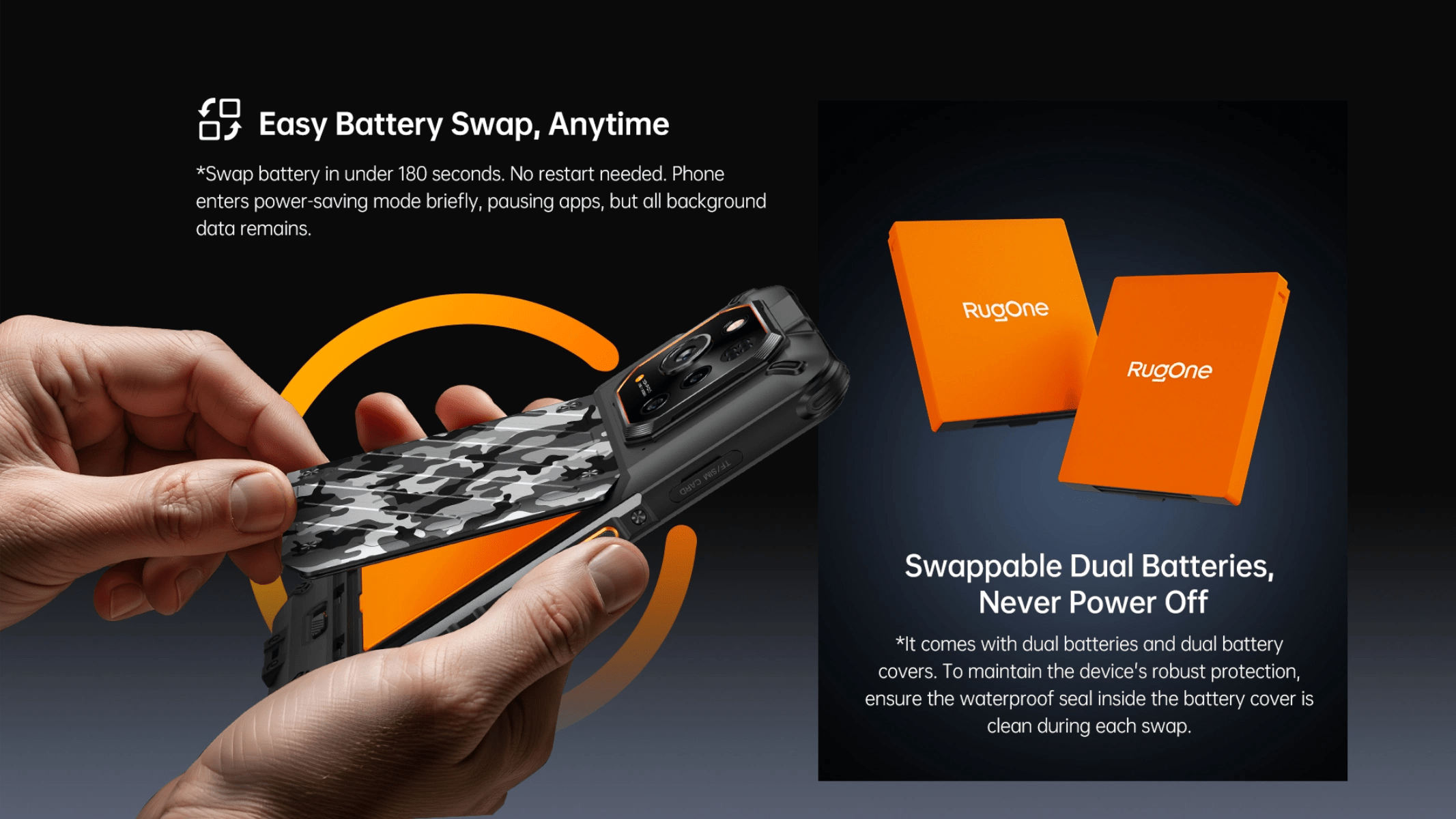
The Xever 7 Series distinguishes itself through a proprietary swappable battery ecosystem that ensures zero downtime in extreme environments.

The integrated hot-swap technology lets users change batteries without shutting down the device, ensuring continuous operation. Each unit comes with two 5550mAh batteries. The package includes a 4-in-1 Charging Station for efficient charging. It meets sustainability standards with a Class A EU energy label and 33W fast charging.

Technical Specifications and Professional Utility

The RugOne Xever 7 Series balances ruggedized hardware with flagship-tier internals:

ComponentSpecification
Display6.67″ AMOLED, 120Hz Refresh Rate, Always-On Display (AOD)
ProcessorMediaTek Dimensity 7025 5G SoC
Memory/Storage12GB RAM
DurabilityIP68/IP69K Waterproofing and MIL-STD-810H Certification
Night Vision64MP Infrared Night Vision Sensor
Main Camera50MP Lens with OIS and EIS AI Stabilization
Special FeatureseSIM Support, Dedicated TorchX, Gemini AI Integration

Pro vs. Standard: Specialized Functionality

Ulefone offers two distinct tiers to cater to different user profiles:

  • The Xever 7: Designed for creators and enthusiasts, this model features a 50MP Ultra-Wide camera, making it the ideal choice for high-resolution landscape and group photography.
  • The Xever 7 Pro: A professional-grade instrument featuring the FLIR Lepton 3.5 thermal sensor. This allows engineers and first responders to detect heat signatures, visualize electrical faults, and navigate low-visibility environments with the highest thermal resolution available in the series.

According to the CEO of Ulefone, David Gustavo: “The introduction of the Sand Dune edition reflects our commitment to rugged elegance. By combining our Never Power Down battery innovation with professional tools like FLIR thermal imaging, we are ensuring that our users stay connected and capable, no matter where their journey takes them.”

Global Market Availability

The RugOne Xever 7 Series is now available via the official RugOne store, AliExpress, and authorized international retailers. RugOne Xever 7 price Starting at $529.99 and RugOne Xever 7 Pro: Starting at $659.99.

Both models are verified for long-term viability, featuring guaranteed software updates through Android 18.

New Allstate Protection Plans Survey Reveals Shifting Smartphone Consumer Behaviors

0

Allstate Protection Plans has released findings from its latest mobile survey showing significant changes in how Americans approach smartphone ownership. The survey reveals consumers are keeping devices longer, prioritizing practical features over novelty, and showing increased interest in sustainable practices despite implementation challenges.

Upgrade Cycles Lengthen as Consumers Seek Value

The era of annual smartphone upgrades appears to be fading. According to the survey, only 22% of Americans upgrade within 12 months, while 27% wait until two-year carrier contracts end, 23% stretch usage to 3-4 years, and 21% delay replacement until their current device breaks. This shift reflects a growing view of smartphones as long-term investments rather than disposable technology.

Battery Life Overtakes Price as Top Purchase Factor

For the first time, battery life has surpassed price as the primary consideration when purchasing a new smartphone. This represents a significant shift toward valuing core performance over experimental features. Camera quality and brand reputation have also gained importance in consumer decision-making, while AI features currently influence only 17% of buyers’ decisions.

Environmental Concerns High, But Action Lags

Despite 52% of respondents rating environmental impact as “extremely or very important,” actual sustainable behaviors remain limited. Only 20% recycle old phones, while 8% still discard them in trash. The average American household holds 1.8 unused smartphones, highlighting what Allstate terms “sustainability inertia.” Trust issues continue to hamper refurbished device adoption, with 52% of consumers worried about quality and 51% concerned about potential defects.

Device-as-a-Service Models Gaining Traction

Nearly one-third (29%) of Americans now express interest in smartphone leasing models for their next upgrade. This shift toward “Device-as-a-Service” is driven by desires for lower upfront costs (24%), more frequent upgrades (24%), greater flexibility (21%), and integrated protection services (20%).

“With tighter budgets and diminishing emphasis on chasing the latest tech innovations, consumers are taking a more thoughtful approach to smartphone ownership,” said Karl Wiley, Global President and CEO of Allstate Protection Plans. “This is why we’re seeing growing interest in leasing and Device-as-a-Service models across the globe—which integrate repair, recycling, and end-of-life management directly into the ownership experience.”

Conclusion

Taken together, the findings paint a picture of a smartphone market in transition. Devices are lasting longer, expectations are shifting toward reliability over novelty, and sustainability is no longer a niche concern—even if behavior hasn’t fully caught up with intent. Consumers are clearly thinking more carefully about the phones they buy, how long they keep them, and what should happen when those devices reach the end of their useful life.

The open question is whether the industry can meet consumers where they are now. As smartphones become longer-term companions rather than annual indulgences, will manufacturers, carriers, and service providers make ownership simpler, more transparent, and easier to exit responsibly? And for consumers themselves, the next upgrade may be less about what’s new and more about what kind of relationship they want with the device that rarely leaves their side.

Best Video Downloader 2026: Fast, Secure, and High-Quality Video Saving Made Easy

0

In 2026, online video consumption is bigger than ever. From educational tutorials and podcasts to entertainment clips and social media reels, video content dominates the internet. However, constant streaming isn’t always convenient—limited internet access, data restrictions, or the need to watch content offline often make downloading videos a smarter option.

That’s where choosing the best video downloader becomes essential.

In this article, we’ll explore what makes a great video downloader in 2026, key features to look for, and why VidsSave stands out as one of the most reliable and user-friendly tools available today.

Why You Need a Video Downloader in 2026

Streaming platforms are optimized for online viewing, but they don’t always allow users to save content for offline use. A high-quality video downloader solves this problem by allowing you to:

  • Watch videos offline anytime
  • Save mobile data and bandwidth
  • Download educational content for repeated use
  • Archive important or favorite videos
  • Access content while traveling or in low-network areas

With evolving video formats and higher resolutions like 4K and even 8K becoming common, modern users need a downloader that is fast, flexible, and secure.

What Makes the Best Video Downloader?

Not all downloaders are created equal. In 2026, the best tools share a few essential qualities:

1. Ease of Use

A clean, intuitive interface is a must. Users should be able to download videos without installing heavy software or dealing with complex settings.

2. High-Quality Downloads

Top video downloaders support multiple resolutions, including HD, Full HD, and 4K, without compromising audio or video clarity.

3. Platform Compatibility

A reliable downloader should work across multiple platforms and devices—desktop, mobile, tablet, and different operating systems.

4. Speed and Performance

Fast processing and minimal waiting time are critical, especially when downloading long or high-resolution videos.

5. Security and Privacy

With increasing concerns about data privacy, a trustworthy downloader should be free from malware, unnecessary permissions, and intrusive ads.

A cartoon character sitting on an airplane, focused on a smartphone, with a tray of spaghetti, a roll, and a drink on the table next to him.

VidsSave: The Best Video Downloader of 2026

When it comes to meeting all the modern requirements, VidsSave has positioned itself as a top-tier solution.

If you’re looking for a dependable video downloader, VidsSave delivers a smooth and efficient experience without sacrificing quality or security.

Key Features of VidsSave

 No Software Installation Required

VidsSave is completely web-based. You don’t need to download or install any applications—just open your browser and start downloading.

 High-Quality Video & Audio

Users can download videos in multiple resolutions, including HD and Full HD, while maintaining excellent audio quality.

 Fast Processing Speed

Thanks to optimized servers and lightweight design, videos are processed and downloaded quickly, even for longer content.

✔ Works on Multiple Devices

Whether you’re using Windows, macOS, Android, or iOS, VidsSave works seamlessly across devices and browsers.

✔ Clean & User-Friendly Interface

No confusing buttons or cluttered menus. The platform is designed for both beginners and advanced users.

How to Use VidsSave to Download Videos

Using VidsSave is incredibly simple:

  1. Copy the video link from your preferred platform
  2. Paste the video URL into the input box
  3. Choose your desired video quality or format
  4. Click download and enjoy offline viewing

No sign-ups, no hidden fees, and no unnecessary steps.

Why VidsSave Is Better Than Other Video Downloaders

Many video downloaders today come with limitations—watermarks, forced registrations, slow speeds, or security risks. VidsSave avoids all these common issues.

Here’s why it stands out in 2026:

  • 100% free to use
  • No watermarks on downloads
  • No account creation required
  • Regularly updated for new platforms
  • Safe and privacy-focused

It’s a perfect solution for students, content creators, professionals, and everyday users alike.

Final Verdict: Best Video Downloader 2026

As online video continues to grow, having a reliable downloader is no longer optional—it’s essential. After evaluating performance, usability, speed, and security, VidsSave clearly earns its place as one of the best video downloader tools in 2026.

EDITOR NOTE: This is a promoted post and should not be considered an editorial endorsement

Top Android Game Genres Dominating 2025: What Players Can’t Get Enough Of

0

Continued changes to global player behaviour and mobile gaming’s integration into daily life have led to more growth and expansion into 2025. This piece examines the genres within mobile gaming that generate the highest number of downloads and revenue. It further updates the mobile gaming industry to analyze the game genres that capture the short and long-term attention of the players. The article highlights the growth of the mobile gaming industry and then narrows it down to the most popular genres.

The mobile gaming industry is the leader, driving over $100 billion in revenue, and Android remains the dominant platform. Better technology integration and improvements in mobile hardware and software frameworks that make it easier to deploy applications among users, and the regular distributed growth of mobile gaming technology. Android’s domination in Asia and much of Africa, and Latin America means it continues to add new users.

As reported by Sensor Tower in early 2025, global consumer spending on mobile gaming in 2024 was around 92 billion, out of which the Android OS was over 40%. Although consumer spending growth has slowed since the pandemic, consumer mobile gaming engagement remains at an all-time high. Average session times increased across many key markets throughout 2024 and into 2025.

These factors have allowed certain genres to solidify their standing. Some do well due to volume and simplicity, whereas some require much depth and long-term engagement. Together, they are defining the current state of the Android gaming market.

Why Android Gaming Continues to Surge

Android’s continued momentum comes from scale, accessibility and the widening variety of game formats available on the platform. Beyond traditional genres, Android also supports a growing number of digital casino-style experiences that mirror mechanics seen in online gaming hubs offering slots, card games and probability-based play. These platforms typically feature browser-based or app-accessible games built around chance, fast feedback and short play sessions rather than narrative depth.

A 2025 report from Newzoo estimates that Android devices account for roughly three-quarters of the global mobile gaming audience by user count. Developers respond by designing games that run smoothly across hardware tiers while borrowing familiar mechanics from casino environments, such as spins, randomized rewards and timed bonuses, to maintain engagement. These elements translate well to mobile because they require minimal learning curves and fit fragmented usage patterns.

Cloud-based features also support this growth. Account syncing, persistent profiles and cross-device saves reduce friction, making it easier for players to move between games and formats. Together, these factors help explain why Android continues to attract both traditional game developers and those adapting casino-style systems for mobile-first audiences.

Hyper Casual Games That Keep Players Hooked

In 2025, hyper causal games continue to earn the most successful titles, having the most downloads. These games have the most competition in the industry, but the games themselves facilitate low onboarding time, high accessibility, no required tutorials, and very simplistic game mechanics.

As of late last year, hyper casual games made up 30% of the global downloads of mobile games, the majority of which were on Android, per App Annie. Although hyper casual games have low revenue per download compared to most game genres, the volume of downloads makes them a high-revenue game genre overall.

Developers focus on advertising and rapid cyclic iteration. With brief development timelines, games can reach the market and monetization quickly. Many titles reach a short-lived popularity, but the genre is sustained by the continuous influx of new games. 2025 hyper casual titles still capitalize on social media discovery and algorithmic app-recommended games.

Battle Royale Titles Still Leading the Charts

Battle Royale titles continue to perform well on the Android platform due to a mix of engaging content and competitive gameplay. While these titles require higher device performance and a greater time commitment from players, they continue to rise through the rankings in both downloads and revenue.

According to Statista, in 2025, mobile battle royale games generated over 6 billion dollars in revenue 2024. Android battle royale titles often top the grossing charts in the Google Play Store, largely due to the monetization of in-game purchases and seasonal marketing passes.

The genre’s continued popularity can be attributed to its rapid development of new content, including new in-game maps, time-limited events, and new collaborations with other games and media. The game’s retention is heightened by social features of the genre. For many players, battle royale games are a service.

RPG and Gacha Games Driving Long-Term Engagement

Role-playing and gacha games solely continue to yield gameplay revenue on Android devices. Characteristic features of these incrementally released games are progression systems, character collection, and narrative updates.

Mid 2025 Sensor Tower reports RPG and gacha games are estimated at 48% of total mobile games revenue in 2024. RPG and gacha games had 33% of total downloads. Android devices are especially key to these titles, as are Eastern Asia and North America.

There is a strong correlation between long-term engagement and revenue. Players are encouraged to log in daily by receiving rewards through daily missions, timed events, and story chapters. 

Developers can prolong content refresh and outlet to revenue by periodically releasing updates. There are apparent high entry barriers in the industry, committing players, however, tend to be active for a long time, creating revenue resilience, stability.

What This Means for the Players

The widespread prevalence of these games on mobile and the competition means consumers have better-performing games and polished, regularly updated titles for mobile. These games also have diverse monetization strategies to allow for more engagement in the game without forced spending.

Simultaneously, design approaches are increasingly vying for user focus. Daily log-in rewards and countdown timer events prompt players to engage with the game repeatedly and consistently. Gamerscore, a mobile gaming app, reported that in a 2025 Deloitte digital media survey, mobile game players averaged 7.4 hours a week gaming, a notable increase from 6.8 hours in 2023. This increase highlights the depth of integration of mobile gaming into daily life.

Engaged players spend varying amounts of time and money on games. Understanding the spend and time engagement structure of their genres can help players to self-select into the games that will be the best match for their time and money.

EDITOR NOTE: This is a promoted post and should not be considered an editorial endorsement. AndroidGuys received compensation for the aforementioned content.

Please exercise caution when using a gambling or betting service which employs real money.

If you reside in a location where gambling, sports betting or betting over the internet or through an is illegal, please do not click on anything related to these activities within this post. You must be of proper legal age to click on any betting or gambling related items even if it is legal to do so in your country.

OneOdio Focus A1 Pro: Affordable On-Ear ANC Headphones Launched

0

OneOdio, a global developer of professional-grade audio equipment, has officially announced the release of the Focus A1 Pro. These on-ear hybrid Active Noise Cancelling (ANC) headphones are positioned as a versatile, cost-effective solution for professionals, students, and travelers seeking high-fidelity sound without the premium price tag.

Advanced Noise Suppression and Communication

The Focus A1 Pro utilizes sophisticated hybrid ANC technology to diminish environmental distractions by up to 38 dB. This capability makes it a practical tool for maintaining concentration in high-traffic areas such as public transport or shared office spaces. To complement the listening experience, the integrated microphone utilizes an Environmental Noise Cancellation (ENC) algorithm, ensuring voice clarity during virtual meetings and telephonic communication.

Battery Longevity and Ergonomics

Engineered for a mobile lifestyle, the headphones offer significant endurance. Users can expect up to 70 hours of playback with ANC deactivated, and 40 hours with the feature engaged. A rapid-charging protocol provides five hours of operation from a mere 10-minute charge.

Despite its robust internal hardware, the device maintains a lightweight profile at just 200 grams. The inclusion of breathable protein leather ear cushions and a foldable chassis ensures comfort during prolonged sessions and ease of storage during transit.

Technical Specifications

FeatureSpecification
Driver Size40 mm Dynamic (PET Diaphragm)
ANC DepthUp to 38 dB
ConnectivityBluetooth 6.0 (AAC, SBC)
Battery Life70 hrs (ANC Off) / 40 hrs (ANC On)
Weight200 g
Frequency Response20 Hz – 20 kHz

Audio Engineering and Connectivity

At the core of the Focus A1 Pro are custom-tuned 40 mm dynamic drivers featuring PET diaphragms. This hardware configuration is designed to produce a balanced sound-stage characterized by crisp highs and resonant bass.

“Our mission has always been to democratize high-quality audio by removing the barrier of excessive cost,” stated the CEO of OneOdio. “With the Focus A1 Pro, we have integrated flagship-level hybrid noise cancellation and Bluetooth 6.0 technology into a form factor that is accessible to everyone. We believe students and professionals working remotely shouldn’t have to compromise on sound quality or battery life.”

Availability and Price

The OneOdio Focus A1 Pro is now available for purchase via OneOdio official website and on Amazon, retailing at $34.99 / £39.99.

GameSir Pocket Taco: Vertical Mobile Controller Launches on Kickstarter

0

GameSir, a prominent manufacturer of high-performance gaming peripherals, has officially announced the launch of the Pocket Taco, a specialized vertical mobile controller now available for crowdfunding on Kickstarter.

Designed to bridge the gap between nostalgic arcade aesthetics and modern mobile technology, the device offers a compact solution for enthusiasts of retro-style handheld gaming.

Engineering and Portability

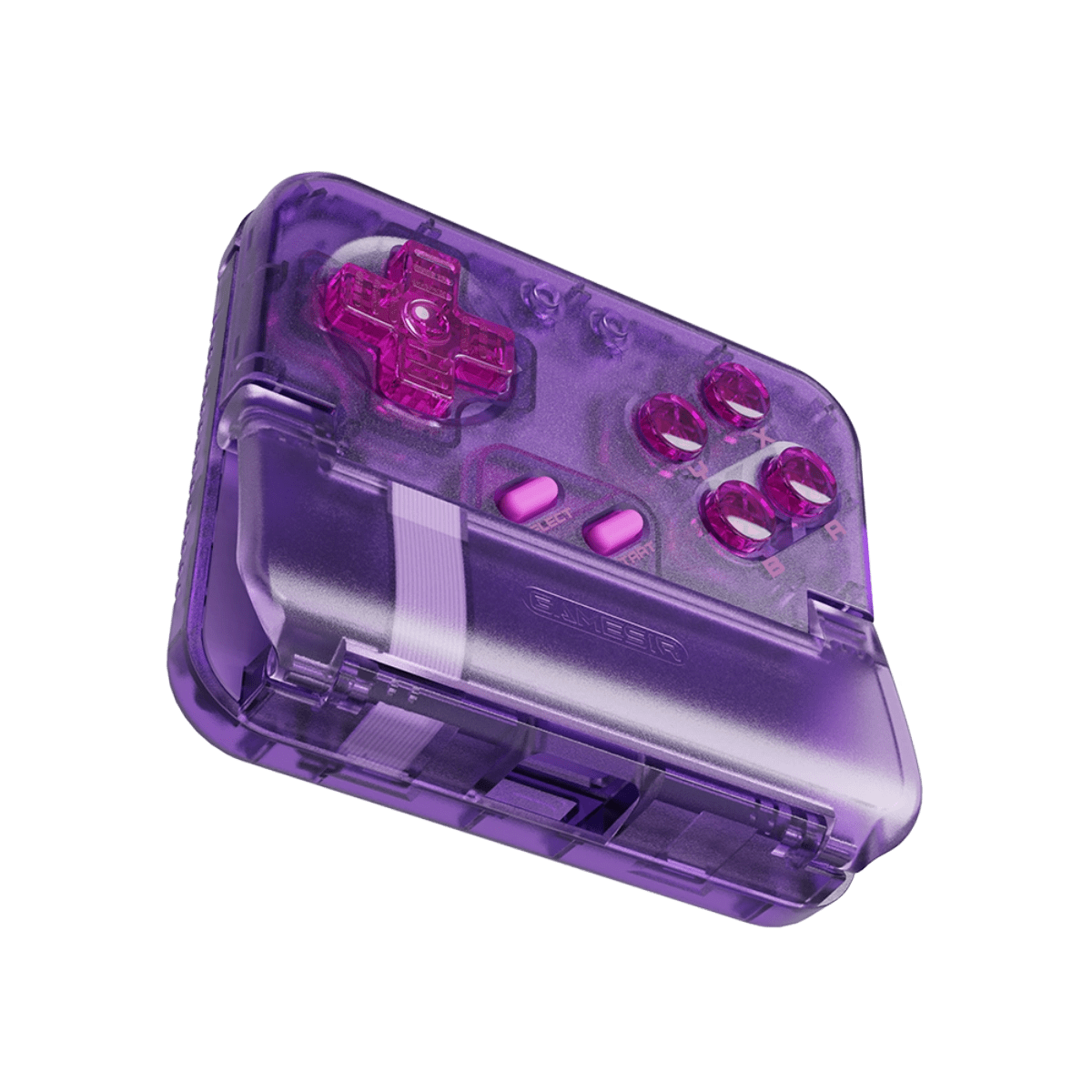
The Pocket Taco is defined by its ultra-portable form factor, measuring 78 × 70.9 × 20.7 mm and weighing approximately 62.2g. To ensure durability during transit, each unit includes a dedicated PP storage case.

The device features an intelligent power management system: it automatically activates upon unfolding and powers down when closed, optimizing the 600 mAh internal battery for extended play.

Technical Specifications and Connectivity

With a secure clamp-style vertical orientation, the controller transforms smartphones into dedicated retro consoles. Key technical highlights include:

  • Wireless Performance: Bluetooth connectivity ensures compatibility with Android and other supported mobile platforms.
  • Tactile Inputs: The unit features cushioned membrane ABXY and D-pad buttons, complemented by tactile switch bumpers and triggers for precise feedback.
  • Device Protection: Soft silicone padding within the clamp prevents hardware scratches while maintaining a stable grip.
  • Charging Integration: A hollow-bottom design allows users to access their phone’s charging port, facilitating simultaneous gaming and power delivery.

Software Customization and Versatility

Beyond its physical controls, the Pocket Taco integrates with the GameSir App, allowing for advanced remapping, D-pad diagonal locking, and the use of G-Touch and V-Touch technologies. For specialized applications, the controller includes a “Keyboard Mode,” enabling users to remap button values to meet specific input requirements.

Executive Commentary

“With the Pocket Taco, we wanted to capture the tactile joy of the classic arcade era and fit it directly into the user’s pocket,” said Betta Core, CEO of GameSir. “Our goal was to create a bridge between the golden age of handhelds and the power of modern mobile devices. Pocket Taco is a commitment to the retro community that they don’t have to sacrifice portability for a premium, responsive gaming experience.”

Availability and Pricing

The Pocket Taco is available in a signature Classic Grey finish, alongside a limited-edition Atomic Purple colorway exclusive to the Kickstarter campaign.

The GameSir Pocket Taco is currently open for backing on Kickstarter and the official GameSir website. Early bird pricing tiers start at $34.99 / £27.99. The crowdfunding campaign is scheduled to conclude on March 14, 2026, with initial shipments to backers expected to commence in April 2026.