Home Blog Page 9

AI on Mac and Android: 7 Smart Features You’re Probably Not Using Yet

0

Artificial intelligence (AI) features on Mac and Android extend far beyond just voice assistants and photo filters. Many of today’s most powerful AI tools run quietly behind the scenes, making your device safer, faster, and easier to use every day without requiring any setup or even an understanding of how they work. But many people aren’t tapping into this, relying instead on mainstream apps.

This article reviews seven useful AI-based capabilities already available. These practical tools can help you enhance what you can do with your devices while keeping your data safe.

AI Security and Privacy Tools That Work Quietly in the Background

AI security supports macOS and Android’s core services well; instead of relying on periodic scans or checks of individual files, modern systems use machine learning to monitor behavior, file usage, and network traffic in real time. This often results in catching issues earlier and preventing corrupt data infiltration and malware running in the background.

These tools matter because cyber threats increasingly exploit user behavior, credentials, and hidden activity. The three AI features below show how Macs and Android devices actively protect our data and system performance, working behind the scenes without requiring constant setup.

1. AI Malware Detection That Learns New Threats Automatically (Mac)

Mac malware is becoming more powerful and more adept at using apps and other delivery and distribution methods, with Mac malware appearing in both apps and browser extensions. AI-based Mac malware detection tools identify malware based on what they do, not just virus signatures, so they’ll catch threats that haven’t yet appeared in public malware databases.

If you’re looking to get rid of AI malware, modern macOS antivirus titles do that far better. Most Mac users will only search for protection when they notice sluggishness or see it misbehaving in the background. The Moonlock app for macOS focuses on real-time monitoring, AI-powered malware classification, and background scanning for common Mac users. An antimalware tool for macOS, Moonlock helps detect and destroy, among others, trojans, adware, and viruses that are spreading, focusing on behavioral patterns rather than just known signatures.

AI-driven suspicion detection can catch unusual behavior in a file, a system file anomaly, or a hidden, suspicious script before it appears in multiple apps and user data, helping to limit performance issues and security risks without requiring constant checks.

2. AI Network Monitoring That Flags Suspicious Connections (Mac & Android)

AI network monitoring examines traffic patterns to and from applications to spot unusual connections. AI can flag any sudden communication with unknown servers or atypical encrypted data chunks that slip out of the organization.

On Mac, AI network tools tend to live alongside system firewall and background security services. On Android, the AI monitoring looks for risky Wi-Fi environments, suspicious app traffic, and hidden background connections.

3. AI Permission Monitoring That Detects Risky App Behavior (Android)

Android uses AI to observe how apps use permissions over time. Instead of just evaluating apps at installation time, the OS can understand how they typically interact with location, the microphone, and files. If an app suddenly behaves differently from its normal behavior, it can be flagged or blocked.

That stops developers from harvesting your data or using spyware-like behaviour intentionally. If a flashlight app starts accessing your contacts or storing excessive data, Android AI will automatically reduce its permissions or show a warning.

Newer Android versions also use AI to suggest removing permissions from unused apps. This reduces long-term privacy risks and limits how much background data apps can collect when not in active use.

Built-In AI Productivity Features Most Users Ignore

Three smartphones with blue screens and a computer chip labeled 'AI' in the foreground.

How do I use AI on my phone? AI productivity tools have integrated into the core apps on macOS and Android. The idea is that our brains cannot process this much information on their own, so we need devices to help us. Somehow, many people still install third-party apps to do things their phones can already do with built-in AI.

4. AI Writing and Summarization Built Into System Tools (Mac & Android)

Mac and Android also feature AI writing assistance throughout several native apps. On macOS, for example, AI text tools help rewrite emails, summarize lengthy documents, and produce quick replies inside macOS 14 system apps and supported third-party apps.

Android is rolling out AI writing support in keyboards, messaging apps, and document apps, allowing users to summarize long threads, rewrite long messages in different tones, and pull key points from web pages or PDF files.

AI summarization also tackles the problem of information overload. Instead of reading long, wordy emails or articles, users can simply view a structured summary of key points with suggested actions.

5. AI File and Photo Organization Without Manual Sorting (Mac & Android)

On Mac, AI will automatically group your screenshots by the project you were working on, find documents buried in a photo library, and even suggest a file name based on the contents of the document you’re saving. Spotlight search also uses AI to help you find that file using context clues, not the name of the file.

Android uses AI to automatically categorize screenshots, downloaded files, and photos. AI photo organization can help detect events, objects, text, and location. This means you can search for content using simple natural-language queries rather than navigating folders manually.

Cross-Device Intelligence and Personalization

AI changed how Macs and Android devices work together, offering a better experience across platforms.

6. AI Cross-Device Content Sync and Smart Suggestions (Mac + Android Workflows)

Modern users bounce between a range of devices multiple times a day. AI features are helpful because they ensure a seamless transition through cross-device synchronization.

●       Clipboard Syncing: Services like Alt-C sync your clipboard between Mac and Android, meaning if you’ve copied some text, you can paste it on your other device.

●       Smart Connect by Lenovo: This platform enables users to seamlessly share files, access messages, and sync clipboard data across Windows, Android, and Mac environments, streamlining cross-platform collaboration.

This suite of AI-enabled tools maintains data synchronization and also supplies context-driven recommendations, boosting productivity and user satisfaction.

7. AI Performance Optimization That Adapts to Your Usage Patterns (Mac & Android)

AI not only augments capabilities but also keeps things running smoothly by learning from how you behave.

●       Predictive Maintenance: Instagram and Netflix are two products leveraging AI to anticipate performance problems and proactively resolve them to deliver an optimal experience prior to any anomalies being visible to the user.

●       Resource Management: By examining how users interact with your apps, AI allocates resources accordingly to cut down battery drain and ensure your software responds quickly.

By learning from user behavior, AI can help ensure your Mac and Android run at optimal efficiency for your lifestyle.

Why These AI Features Matter More in 2026

AI is shifting toward on-device intelligence, which reduces lag, improves privacy, and ensures it’s available even without an active internet connection. Newer chips include dedicated processing units designed for latency-sensitive workloads such as language processing, photo analysis, insight generation, and fraud detection.

At the same time, the AI itself is becoming less obvious to users while becoming more important to everyday device operation. Instead of requiring users to set it up, the AI now operates continuously across system services, security layers, battery management, and app optimization. Most users probably see AI dozens of times a day without realizing it. AI is no longer a standalone feature. It’s core infrastructure.

Final Thoughts: AI Is Becoming a Core Part of Everyday Device Experience

AI on Mac and Android goes beyond simply being a helper. It has now become integrated into various faucets. The seven features in this piece illustrate how AI is already making it easier to use devices daily by automating tasks, providing protection through intelligent means, and speeding up access to information.

As on-device AI continues to grow, those who understand these built-in capabilities will be able to achieve better performance, greater privacy, and more efficient workflows without having to download additional apps or perform any extra setup.

EDITOR NOTE: This is a promoted post and should not be considered an editorial endorsement

CRKD Announces New Guitar Controllers & Accessories for Rhythm Games

0

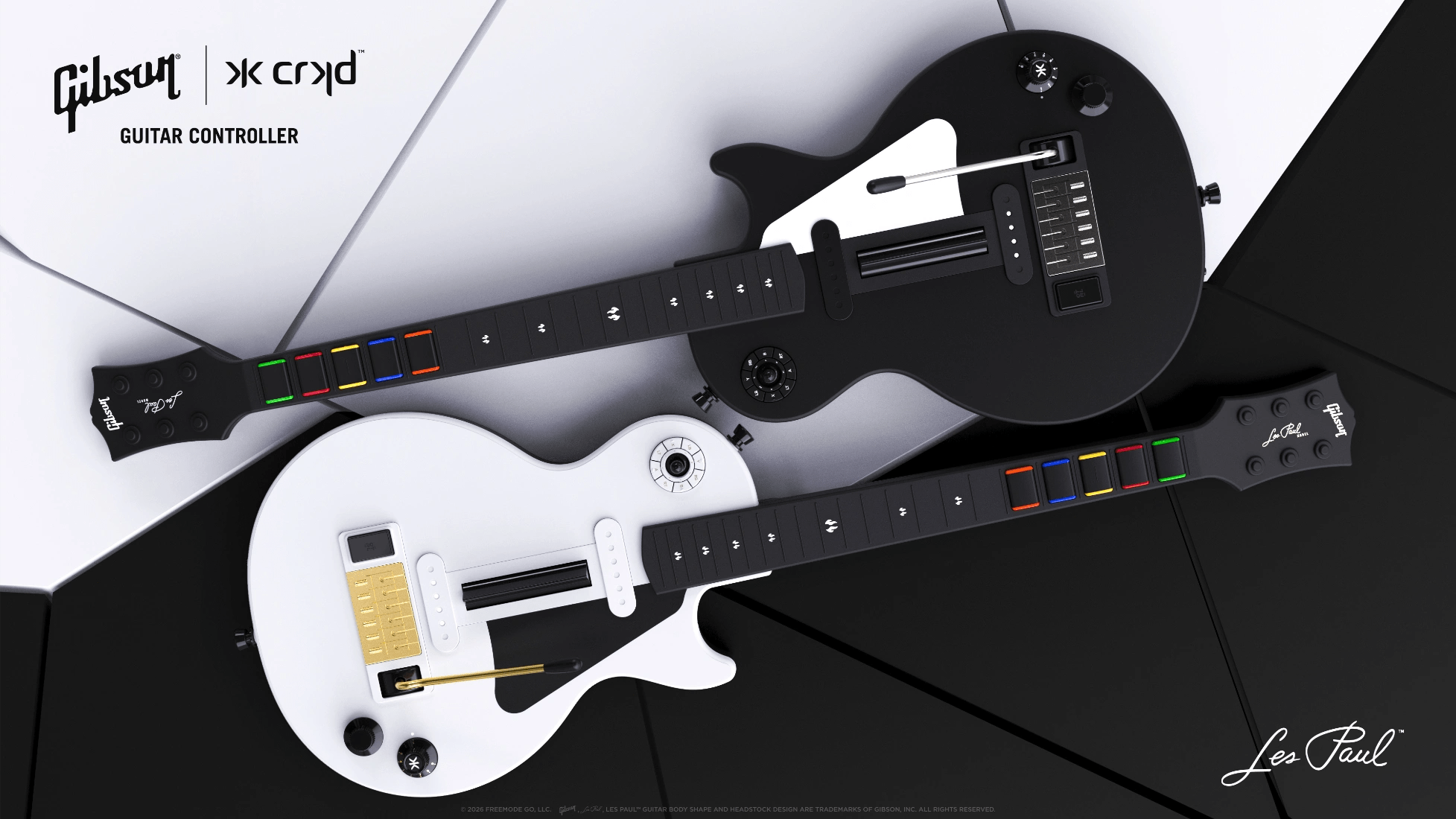
CRKD, the premium gaming gear brand, has officially announced a significant expansion of its rhythm game ecosystem. The company revealed a new lineup of multi-platform guitar controllers, precision-engineered fret accessories, and specialized power solutions, all aimed at enhancing the experience for competitive and casual music gamers alike.

Iconic Design Meets Modern Performance

Leading the announcement is the introduction of two new colorways for the official Gibson Les Paul Guitar Controller lineup. The Alpine White Pro Edition and the Ebony Encore Edition draw inspiration from Gibson’s legendary instrument designs.

These new models are set to replace the existing Black Tribal and Blueberry Burst editions, which CRKD confirmed will be phased out over the coming months. Shipping for the new guitar controllers is expected to commence in late March 2026.

Enhanced Customization and Tactile Control

CRKD is also doubling down on modularity and maintenance with new hardware accessories:

  • Mechanical Fret Necks: Two new brown fret neck variants, the Brown OG and Brown Solo, will launch in April 2026. Both feature mechanical switches designed to provide the high-level tactile feedback required for complex rhythm tracks.
  • EZ Glide Fret Packs: Launching in May 2026, these precision-molded button packs come in six colors. Featuring a matte EZ Glide finish, they allow players to customize the aesthetics and friction levels of their controllers.
  • Storage Solutions: To complement the aesthetic appeal of the hardware, a new Guitar Controller Display Stand will also ship in May, offering a space-saving solution to keep controllers protected and upright.

Uninterrupted Gameplay with New Power Solutions

Addressing player concerns regarding battery life during long sessions, CRKD has immediately released the CRKD Rechargeable Battery Pack. The system includes a charging dock and a spare battery, allowing users to swap power sources mid-session. This pack is compatible with all current and select future CRKD controller models.

Charging Dock

A Word from CRKD Leadership

“Our goal has always been to bridge the gap between professional-grade hardware and the vibrant culture of rhythm gaming,” said Lee Guinchard, CEO of CRKD. “By introducing these new Gibson-inspired designs and modular accessories, we are giving players the tools to perform better and express their personal style. We are committed to supporting this community with hardware that lasts as long as the music does.”

Looking Ahead: PAX East 2026

The company teased that this announcement is only the beginning of their spring hardware cycle. CRKD is scheduled to appear at PAX East in Boston from March 27th to 29th, where they intend to unveil two additional mystery products.

Pre-orders for the new collection are now live on the official CRKD website, with rolling release dates scheduled throughout the first half of 2026. Buyers can view the full catalog and secure pre-orders at CRKD’s official online store.

Valerion VisionMaster Max Review

Over the last few years, projectors have quietly split into two very different camps. On one side are the compact lifestyle models that aim for portability and simplicity. On the other are the serious home theater machines designed to anchor a dedicated movie room. The Valerion VisionMaster Max sits firmly in the latter category.

This is a large, premium projector designed for people who care deeply about picture quality and installation flexibility. It is not something meant to bounce between rooms or throw up a quick movie night on the patio. Instead, the VisionMaster Max feels built for the kind of setup where a screen stays on the wall and the projector becomes a permanent part of the room.

Valerion positions the VisionMaster Max as the flagship model in its lineup, and after spending time digging into its capabilities, it becomes clear that this projector is aiming at enthusiasts. It combines a single-chip DLP imaging system with an RGB triple-laser light engine, a combination meant to deliver extremely wide color reproduction while addressing some of the traditional limitations of DLP technology.

The result is a projector that promises big brightness, deep color saturation, fast gaming response times, and installation flexibility that goes beyond what most living-room projectors offer.

Black box labeled 'VisionMaster Max' with the tagline 'Hollywood Standard in Your Home' displayed prominently on the front.

Design & Build

The first thing that stands out about the VisionMaster Max is that it feels substantial. Many projectors in the sub-five-thousand-dollar category rely heavily on lightweight plastic housings, but Valerion went in a different direction here. It’s solid and surprisingly heavy.

The chassis is dense and rigid, finished in a glossy black shell that gives it a premium appearance. It weighs about 7.4 kilograms (~16lbs) , which is not something you casually move around after installation. That weight actually works in its favor because it adds structural rigidity that helps keep the optical components stable over time.

With strong brightness, accurate color, and flexible installation options, the VisionMaster Max positions itself as a powerful centerpiece for a modern home theater setup.

In projectors, even tiny amounts of chassis flex can translate into focus inconsistencies across the screen. A rigid housing helps keep the internal lens assembly properly aligned, and the VisionMaster Max feels built with that kind of long-term stability in mind.

From a design standpoint, it looks right at home in a media room or home theater rack. It is sleek without trying too hard to be flashy, and it carries the kind of presence you expect from a high-end piece of home theater hardware.

It looks sharper than most projectors I’ve spent time with and it signals that everything found inside is likely to be premium grade.

Close-up view of a stacked aluminum heat sink with multiple fins arranged in parallel.

Remote & Interface Experience

The included remote control reinforces that same premium positioning. It has a satisfying weight and uses mechanical buttons with strong tactile feedback. There are dedicated shortcuts for streaming services, autofocus adjustments, voice control, and even a button for triggering the projector’s AI processing features. You didn’t think we’d talk about new tech without using that term, did you?

The overall feel of the remote is good, but it is not perfect. The backlighting only activates after pressing a button, which makes it harder to locate keys in a dark theater before interacting with it. Continuous illumination would have been a better choice for a projector designed for dim environments. Or, as I’ve seen elsewhere, more buttons or parts of the remote with light behind it.

Navigation within the projector’s Google TV interface is generally smooth, thanks to the internal processor, but some quirks show up in the deeper settings menus. When adjusting advanced hardware parameters such as the iris or calibration controls, the back button occasionally exits all the way to the main Google TV home screen rather than stepping back one menu level.

A person holding a remote control with various buttons, including options for streaming services like YouTube and Netflix, set against a neutral-colored wall with household items in the background.

It is not a deal-breaker, but it does make deeper adjustments more tedious than they should be. And, really, this may be addressable in a software update.

Installation & Lens Flexibility

One of the more interesting aspects of the VisionMaster Max is its optical flexibility.

Out of the box, the projector ships with a motorized zoom lens offering a throw ratio between 0.9:1 and 1.5:1. In practical terms, that means it can produce a one-hundred-inch image from roughly two to three meters away.

Motorized zoom and focus adjustments are handled through the remote, making setup fairly straightforward once the projector is physically mounted or placed.

Where things get more unusual is the interchangeable lens system. This is not something commonly found in projectors at this price point. The VisionMaster Max allows the factory lens to be swapped for optional alternatives that extend the throw ratio.

With the extended lens installed, the projector can reach up to a 2.0:1 throw ratio, allowing the same one-hundred-inch image to be produced from over four meters away. That kind of flexibility opens up installation possibilities for deeper rooms or rear-shelf placements where shorter throw lenses would struggle.

Close-up view of a camera lens featuring the Valerion VisionMaster Max branding, displaying the lens mechanism and intricate details.

I initially set up the review unit in a room with a flat grey wall just to get a feel for the controls, size, etc. The room, which is around ten feet wide, was perfectly suited for making the big ~100″ display as there were no plants or objects to get in the way of the projected image. Were there not an 85″ TV already mounted on the opposite side of the room, I’d give very serious consideration to leaving the VisionMaster Max where it was.

Lens Shift & Alignment

The projector also includes a fully motorized vertical lens shift system with up to ±105 percent adjustment. That’s really helpful if you’re mounting the unit or suspending it from the ceiling.

In practical terms, this means the projector can be mounted significantly above or below the screen while still maintaining proper image alignment. Ceiling mounting or placing the projector low on a table both remain viable options without relying heavily on digital keystone correction.

One limitation worth noting is the absence of horizontal lens shift. The projector must be centered horizontally with the screen. If it is placed off-axis, digital keystone correction becomes necessary, which reduces effective resolution.

For those fortunate enough to have a dedicated theater room, I’m envious. The VisionMaster Max could sit perfectly on a pedestal or a tripod, or suspend from a ceiling. Likewise, it can project from both sides of a screen. From everything I can see and tell, there would be very little toggling or adjustment once in place. It’s the sort of thing you can build a room or experience around.

Brightness & Laser Light Engine

A sleek projector with a reflective surface and visible lens, set on a white wooden table against a muted wall.

The VisionMaster Max uses an RGB triple-laser light engine instead of a traditional lamp or single-laser phosphor system.

This approach uses separate red, green, and blue laser diodes to generate the image. Removing the need for a color wheel improves color purity and eliminates one mechanical component that could eventually fail.

Valerion rates the projector at 3,500 ISO lumens. That level of brightness gives the projector plenty of headroom for larger screens and moderate ambient light environments. For a dedicated theater room, it has more than enough output.

There is also a brightness enhancer mode that pushes the laser system harder to increase light output further. The tradeoff is reduced color accuracy and a noticeable green bias in the image. Most users interested in image quality will likely leave that setting disabled or not even know it exists, really.

Contrast and Color

Contrast, as I am learning, has historically been one of the weaker areas for single-chip DLP projectors. The VisionMaster Max attempts to overcome this through a combination of hardware and software techniques.

The native contrast ratio sits in the range of roughly 2000:1 to 4000:1 depending on configuration. To improve perceived black levels, Valerion includes a six-step adjustable iris system that physically limits the amount of light leaving the lens. It’s here, with my grey wall, that I came away impressed with how things looked with black on the screen, and also curious how it would appear with a proper screen in place.

Closing the iris reduces stray light and improves black levels significantly. In practice, settings around the middle range provide the best balance between brightness and contrast. All of the preset stuff, from what I found, was tuned nicely for a “take it out of the box and get to watching something” experience.

Page from a user manual featuring logos for HDMI, Dolby Vision, DTS:X, Bluetooth, IMAX Enhanced, and HDR10+. Includes brief descriptions of each technology.

The projector also employs a dynamic contrast algorithm that adjusts the laser output based on scene brightness. In darker scenes, the system reduces the light output while adjusting the gamma curve to preserve shadow detail.

It works reasonably well, although aggressive transitions can sometimes produce visible shifts in brightness during rapid scene changes. And if I am being totally transparent, I only noticed this because I was looking for it and because I had seen indication of this in another review.

Color is where the VisionMaster Max really shines.

Because it uses pure RGB laser light sources, it is capable of covering more than the entire color gamut. Out of the box, color accuracy is already very strong when using the Filmmaker Mode preset. Measurements show extremely low color error levels in SDR content, making the projector capable of reference-level performance without extensive calibration.

HDR performance is slightly less precise by default but still very good overall, and advanced calibration controls allow further fine tuning if needed.

For enthusiasts who enjoy dialing in every last detail, the projector includes extensive white balance and color management tools. Pretty much all industry video standards are represented here. Speaking of which…

HDR & Video Processing

The VisionMaster Max supports a wide range of HDR formats including HDR10, HDR10+, Dolby Vision, and HLG.

Close-up of a textured surface featuring alternating metallic strips and a knob, with several small circular cutouts.

Because projectors cannot reach the same brightness levels as televisions, HDR tone mapping becomes critical. The projector compresses higher-brightness content into its available light range to maintain visible highlight detail.

The result still delivers strong HDR impact for a projector, though it naturally cannot match the peak brightness of modern OLED or Mini-LED televisions.

Several picture modes are available, including Theater, Filmmaker, Standard, and Vivid. For most viewing situations, Theater or Filmmaker modes deliver the most natural results.

The projector also supports active 3D playback, and its high brightness helps compensate for the dimming effect that comes with shutter glasses. I did not test this out.

Gaming Performance

The VisionMaster Max also performs surprisingly well as a gaming display.

It includes two HDMI 2.1 ports capable of handling high-bandwidth signals. With the appropriate settings enabled, input latency can drop to around eighteen milliseconds at 4K 60hertz and even lower at higher refresh rates.

At 1080p with high refresh rate modes enabled, input lag can reach around five milliseconds, making it responsive enough for competitive gaming.

A projection display on a wall showing 'Keystone Correction' options with 'Auto', 'Manual', and 'Skip' buttons. Text indicates the correction has been completed and suggests performing fine-tuning.

The projector also supports Auto Low Latency Mode, automatically switching into game mode when a compatible console is detected.

For gamers who want the scale of a giant projection screen without sacrificing responsiveness, this is one of the more capable projectors available in its price class.

Spending a few days with a PlaySation 5 plugged really gave me the itch to change my entire basement setup. It’s not a massive room, but there’s something about a massive image on the wall that’s bright, crisp, accurate, and responsive across all video sources. I’m low-kwy glad I am not a more serious gamer because it’s a lot of fun to play on something that big.

Smart Features & Connectivity

Internally, the projector runs Google TV powered by a MediaTek Pentonic processor paired with four gigabytes (4GB) of RAM and 128 gigabytes of storage.

The interface feels smooth and responsive, and most major streaming applications are available directly through the platform. Setup is about as easy as it gets if you’ve already had a Google TV in the home. Logins and settings are largely preserved, expediting the process of getting into your favorite apps and services.

Connectivity includes Wi-Fi 6E, Bluetooth 5.2, Chromecast support, AirPlay 2, and compatibility with smart home systems such as Google Home, Alexa, Apple HomeKit, and Control4.

Close-up of the connectivity ports on the back of a device, including power input, audio output, multiple USB ports, HDMI ports, LAN port, and a power button.

There is also a Gigabit Ethernet port for wired networking, though the Google TV platform itself currently seems to limit throughput to around one hundred megabits per second.

Noise & Cooling

Triple-laser projectors generate a fair amount of heat, and the VisionMaster Max relies on active cooling to manage temperatures.

Fan noise sits around a reported 35 decibels at full power. During a movie with normal audio levels, it blends into the background fairly easily.

In quieter scenes, the hum can become noticeable, though switching to Eco mode lowers the fan speed and reduces overall noise. Depending on how and where you have the projector installed, you may never even think about the sound or heat that comes from the unit.

Built-in Audio

The projector includes dual 12-watt speakers with support for Dolby Atmos and DTS virtual processing.

For casual viewing or temporary setups, the built-in audio works fine. Dialogue remains clear and volume levels are respectable.

That said, anyone installing a projector of this caliber will almost certainly pair it with an external sound system. A dedicated surround setup simply matches the scale of a large projected image much better.

Even as loud or clear as high-end projectors can get with audio, I always recommend wiring to, or connecting wirelessly to speakers. Not just for overall enjoyment, but because it’s still a bit weird to have your image and audio coming from opposing ends of a room. And let’s be honest, we don’t want to crowd around the projector for whispered conversations.

Latency is a consideration if you opt for wireless, of course. If you’re spending the sort of money that the VisionMaster Max commands, you likely have no reservations about running a few wires through the ceiling to the wall.

Price & Value

The VisionMaster Max launched through crowdfunding before settling into a retail price around $5,000. It’s considerably lower now at $4,000, or 20% off from where it started.

As someone who’s still learning all of the deeper tech around projectors and TVs, I often look to other outlets for better understanding of how something might stack up. We’re not a benchmarks and bleeding tech website so I’ll always suggest checking others for the really fine details and testing.

At the $4,000 level, it competes with entry-level home theater projectors from established brands such as Sony and JVC, many of which use different imaging technologies like Liquid Crystal on Silicon (LCoS).

What Valerion brings to the table is a combination of extremely wide color reproduction, high brightness, flexible optics, and strong gaming performance.

For home theater enthusiasts who want the advantages of an RGB laser light engine without stepping into far higher price brackets, the VisionMaster Max makes a compelling case. And from all other sources I checked, it’s a winner on nearly every front.

Final Thoughts

The Valerion VisionMaster Max is clearly aimed at enthusiasts who want a serious home theater experience without entering the ultra-high-end projector market. You’re already know whether you are in this range of consumer/user or not.

It’s not priced as a tweener projector nor does it come anywhere near a middle-of-the-road product. This is not a step up from the $200-$1,000 projectors that most homes use so much as it’s an entire flight of stairs. You have to be deliberate about upgrading to something like this.

It delivers excellent color performance, strong brightness, flexible installation options, and gaming responsiveness that many projectors simply cannot match.

There are a few rough edges, including some interface quirks, limited horizontal lens adjustment, and a dynamic contrast system that can occasionally be a little overzealous. Some of this I suspect gets ironed out with a software update.

Even so, the overall package is impressive. With its triple-laser light engine, wide color capability, and enthusiast-grade feature set, the VisionMaster Max positions itself as a powerful option for anyone building a dedicated home theater setup around a large projection screen.

DESLOC K140 Plus Smart Lock Launches with 25% Off Promo Code

0

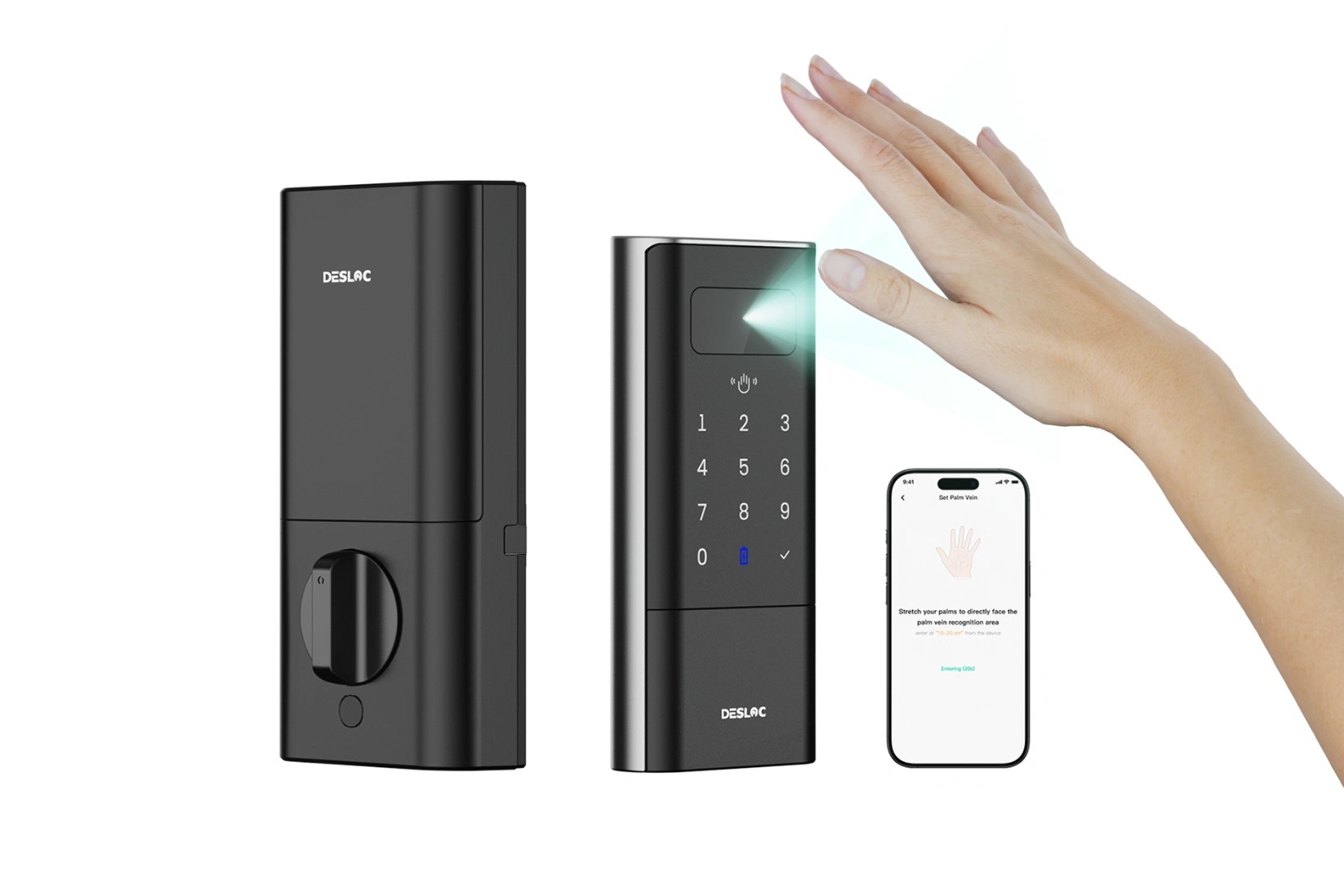
DESLOC, a leader in next-generation home security, today announced the official market release of the K140 Plus Smart Lock. Integrating futuristic palm vein recognition with a sleek, and minimalist design.

To celebrate the launch, the company is offering a limited-time 25 percent off promo code for early adopters.

Revolutionary Palm Vein Biometrics

Moving beyond traditional fingerprints, the K140 Plus utilizes advanced palm vein recognition technology. By mapping the unique vein patterns beneath the skin, the device offers a highly secure, contactless entry method. This system is bolstered by liveness detection, a security protocol designed to prevent spoofing attempts involving high-resolution photos, videos, or synthetic replicas.

Touch-Free Interaction via Radar

The K140 Plus introduces a wave-to-unlock experience powered by integrated radar sensors. This motion-sensing technology detects hand movements within close proximity, triggering the biometric scanner and allowing for a completely hands-free transition from the driveway to the living room.

The aesthetic is equally refined, featuring a slim profile and a hidden keypad that remains dark until activated, maintaining a clean and sophisticated look for modern entryways.

K140 Plus Specifications at a Glance

  • Rapid, contactless access without physical interaction via palm vein identification.
  • Radar-based motion detection facilitates entry with a simple gesture.
  • Integrated Wi-Fi enables remote access and instant notifications through app-connected management.
  • 10,000 mAh rechargeable battery featuring an inconspicuous USB-C cable for emergency power supply.
  • Streamlined design with concealed keypad for an elegant, refined appearance.
  • Compatible with Amazon Alexa and Google Assistant for voice-operated control.
  • IP65 rated for water resistance and certified to BHMA Grade 3 standards.
  • Door status monitoring with auto-lock employs magnetic sensing to guarantee the door is securely closed upon closure, eliminating false locking and providing real-time remote updates.

Intelligence and Connectivity

Equipped with built-in Wi-Fi, the K140 Plus eliminates the need for external bridges or hubs. Users can manage the lock via the dedicated mobile app to receive real-time alerts, grant remote access, and monitor the home’s security from anywhere in the world.

For those integrated into smart home ecosystems, the device offers full compatibility with Amazon Alexa and Google Assistant, enabling seamless voice-controlled locking and unlocking.

Durability and Power Management

Engineered for longevity and reliability, the K140 Plus is BHMA Grade 3 certified and features an IP65 waterproof rating, ensuring it remains functional in harsh weather conditions. The unit is powered by a high-capacity 10,000 mAh rechargeable battery. In the event of a total power drain, a discreet USB-C port is located on the exterior to provide emergency power.

Security is further enhanced by magnetic door status detection. Unlike traditional auto-locks that trigger based on a timer, the K140 Plus senses when the door is physically closed, ensuring it never attempts to throw the bolt while the door is still ajar.

Pricing and Availability

The DESLOC K140 Plus is available starting today, March 5, 2026, with an MSRP of $169.99. Customers can purchase the unit through Amazon or through the official DESLOC online store. They could make use of the code (AGK140PS) to get 25 percent off the product.

Act fast! This promo code expires soon.

TECNO CAMON 50 Series Brings Practical AI to Mobile Imaging at MWC 2026

0

At MWC 2026 in Barcelona, TECNO introduced its latest imaging-focused smartphone lineup, the CAMON 50 Series. The new range includes the CAMON 50 Ultra 5G, CAMON 50 Pro, and CAMON 50, and centers on blending professional-grade camera hardware with tightly integrated AI tools designed to support creativity and everyday productivity.

The CAMON 50 Series positions itself as an imaging flagship built around what TECNO calls “Practical AI,” aiming to make advanced camera features and smart tools feel intuitive rather than experimental.

A Flagship Camera System With AI at Its Core

Leading the lineup is the CAMON 50 Ultra 5G, equipped with a 50MP Sony LYTIA 700C Ultra Night Camera. The sensor is designed to capture detailed images in low-light environments, an area that continues to separate midrange phones from more expensive models.

TECNO CAMON 50 Ultra 5G smartphone displayed with the text 'NO.1 Overall Camera Ranking Under $600' and various accolades for camera quality.

The Ultra 5G and Pro variants both feature a dedicated 50MP 3X telephoto camera, offering a 70mm portrait focal length for more natural-looking close-ups. TECNO pairs this with AI 60X SuperZoom, targeting scenarios such as sports or stage photography where distance can otherwise limit detail.

Powering the system is TECNO’s AI RAW 2.0 imaging engine, which processes light and detail to improve clarity and color accuracy. Features such as Super-Zoom FlashSnap aim to combine high-speed capture with telephoto reach, allowing users to freeze fast-moving subjects. An industry-first AI Auto Zoom tool further assists with composition by automatically detecting subjects and cropping for balanced framing.

The CAMON 50 Ultra 5G received a DXOMARK overall camera score of 146, which TECNO states is the highest score for smartphones under $600. It also earned a portrait score of 142, placing it among the top devices in its price segment for portrait photography.

Everyday AI Tools for Creativity and Productivity

A visual guide showing TECNO's AI Auto Zoom feature, depicting four steps: 'Take a Photo', 'AI Auto-Framing', 'AI Ultra HD Enhancement', and 'Best Shot'. The images illustrate a surfer riding a wave, emphasizing the photography process.

Beyond photography, TECNO extends AI across the broader user experience. The CAMON 50 Series introduces an AI Art Gallery powered by the Dream Scape Model, enabling users to reinterpret their photos through a range of artistic styles. Complementary tools include an AI Image-to-Video Generator, Live Photo capture, and AI 3D PhotoSpace for adding spatial depth effects.

AI LightMaster 2.0 addresses practical image issues such as glare, reflections, and shadows with single-tap adjustments. Outside the camera app, a dedicated AI Key provides access to features such as One-Tap FlashMemo for summarizing articles, AI Writing 2.0 for refining captions, and an AI Health Assistant.

TECNO’s upgraded virtual assistant, Ella, expands into language and tutoring support, offering tools such as an Oral Practice Partner and general problem-solving assistance.

The CAMON 50 Series integrates with TECNO’s OneLeap platform, enabling cross-device functionality with TECNO laptops and MEGAPAD tablets. Features include phone mirroring, keyboard and mouse sharing, and cross-device copy and paste, positioning the smartphones as part of a broader connected workspace.

A series of AI applications including AI Efficiency Assistant, AI Photography tools, and AI Health Assistant showcased in a grid format.

Security, Durability, and Performance

Security is another focal point. The CAMON 50 Series debuts TGuard, TECNO’s new security ecosystem. A key feature is off-grid search technology, designed to help locate a device even without a SIM card or when the battery is depleted.

The CAMON 50 Ultra 5G runs on the MediaTek Dimensity 7400 Ultimate processor. Across the lineup, users get a 1.5K 144Hz ultra-bright AMOLED display for smooth visuals. Durability is emphasized with IP68, IP69, and IP69K dust and water resistance ratings.

Battery capacity reaches up to 6500mAh, depending on market, paired with 45W Super Charge. TECNO also includes FreeLink technology, which supports network-free calling and messaging over Bluetooth Long Range, a feature aimed at users in remote or signal-challenged environments.

Availability

TECNO has not detailed full global pricing or availability at the time of announcement, though the CAMON 50 Ultra 5G is positioned within the sub-$600 segment.

TECNO and Tonino Lamborghini Debut International Collaboration at MWC 2026

0

TECNO has announced a new international collaboration with Tonino Lamborghini, bringing together advanced consumer technology and Italian design under a single banner. Revealed at Mobile World Congress 2026 in Barcelona, the partnership introduces a co-branded lineup that blends TECNO’s hardware expertise with Tonino Lamborghini’s distinctive aesthetic.

The collaboration spans gaming devices, smartphones, laptops, earphones, tablets, and a broader AIoT ecosystem. It marks a strategic move for TECNO as it continues to push into higher-end, design-driven segments, and for Tonino Lamborghini as it extends its brand identity into connected consumer electronics.

Jack Guo, General Manager of TECNO, described the partnership as a milestone in the company’s pursuit of performance and aesthetics. Dr. Tonino Lamborghini, Founder of Tonino Lamborghini S.p.A., framed it as a project that merges complementary strengths: Italian design language and technological know-how.

Tonino Lamborghini TECNO TAURUS (MEGA MINI G1 Pro)

Stylish gaming PC case featuring a sleek design with red lighting, branded with TECNO and Tonino Lamborghini logos.

Leading the launch is the Tonino Lamborghini TECNO TAURUS, also known as the MEGA MINI G1 Pro. It represents the second generation of TECNO’s Mini gaming PCs, following the original MEGA Mini G1, introduced as the world’s first and smallest water-cooled gaming PC.

The TAURUS model retains a compact form factor but pushes performance into enthusiast territory. It features an Intel Core i9-13900HK processor with 14 cores and 20 threads, capable of reaching speeds up to 5.4GHz. On the graphics side, it integrates an NVIDIA GeForce RTX 5060 discrete GPU with 8GB of GDDR7 memory and 145W of total graphics power. Built on NVIDIA’s Blackwell architecture, the GPU supports advanced rendering techniques such as path tracing and delivers up to 614 AI TOPS.

Cooling remains central to the design. The system incorporates a roughly 10,000mm² pure copper water-cooled cold plate alongside a triple-fan setup. A real-time display on the chassis allows users to monitor CPU and GPU performance directly. Connectivity includes 15 ports, Wi-Fi 6E, and Bluetooth 5.4, with power supplied via a 330W external GaN adapter.

The all-metal body, accented by RGB lighting and Tonino Lamborghini design cues, positions the TAURUS as both a performance system and a lifestyle statement. It is aimed at gamers and creative professionals who want desktop-level power in a compact footprint.

TECNO POVA Metal Tonino Lamborghini Limited Edition

Three sleek smartphone designs in black, silver, and red, featuring a unique rear camera layout and branding, displayed against a dark background.

TECNO is extending the collaboration to smartphones with the POVA Metal Tonino Lamborghini Limited Edition. The company describes it as the world’s first full-metal unibody 5G phone.

The design features uninterrupted curves and an ultra-thin 0.99mm bezel. On the rear, a 241-pixel independent LED dot matrix allows for customizable notifications and visual effects, including call alerts and dynamic lighting patterns inspired by Tonino Lamborghini’s design language. A pulse light strip adds further visual emphasis.

The device is powered by a Snapdragon processor, reinforcing its positioning as a performance-focused handset within the POVA series. The blend of metal construction, programmable lighting, and 5G connectivity signals TECNO’s intent to bring more expressive hardware design into the mainstream smartphone segment.

A Broader AIoT Ecosystem

Beyond individual devices, TECNO is showcasing a concept AIoT ecosystem developed in collaboration with Tonino Lamborghini. The lineup includes laptops, tablets, and wearables unified by a shared design language characterized by sharp geometry and sleek silhouettes.

These devices are intended to fit across daily work, study, creativity, and communication use cases. The emphasis is on cohesive design paired with practical performance, creating a connected ecosystem that carries a recognizable visual identity.

OUKITEL Brings Rugged Phones, Solar Laptop, and High-Capacity Power to MWC 2026

0

OUKITEL is heading to MWC 2026 with a lineup built for harsh environments and heavy workloads. At Booth 7F46 from March 2 through March 5, the company will showcase a range of rugged smartphones, an industrial tablet, a solar-powered laptop, and a large-capacity portable power station aimed at professionals and outdoor users who expect more from their gear than basic connectivity.

The theme across the portfolio is clear: durability, extended battery life, and built-in tools that reduce the need for extra equipment in the field.

WP61 Series: Satellite Connectivity Meets Thermal Imaging

Leading the announcement is the WP61 series, described as the world’s first rugged professional flagship to combine satellite communication, thermal imaging, and DMR walkie-talkie capabilities in a single device.

The inclusion of NTN two-way satellite connectivity is designed to keep users connected in remote areas where cellular coverage may be limited or unavailable. For teams working in industrial sites, emergency response, or outdoor expeditions, the built-in DMR walkie-talkie supports real-time communication without requiring a separate radio.

Thermal imaging is another key feature, offering a 256×192 resolution sensor for detecting heat signatures during inspections, maintenance, or security tasks. Powering the device is a 20,000mAh battery with 45W fast charging and reverse charging support, allowing it to double as a backup power source for smaller devices.

RG14-P: A Solar-Powered Rugged Laptop

OUKITEL is expanding into rugged computing with the RG14-P, positioned as the world’s first rugged industrial laptop with integrated solar charging.

Built for off-grid environments, the RG14-P features a 3,000mAh main battery and a 5,200mAh backup battery, along with 65W fast charging. It runs Windows 11 and includes a 14.1-inch touchscreen, enabling direct interaction with the display in field scenarios.

A related variant, the RG14-L, adds a built-in camping light for low-light conditions. The concept is simple but practical: a laptop that can continue operating in locations where traditional power access is inconsistent or unavailable.

RT10 Series: Industrial Tablet with Integrated Tools

The RT10 series focuses on industrial and enterprise applications. The tablet integrates a customizable fingerprint capture module for secure enrollment and a built-in 2D barcode scanner designed for warehousing, logistics, and manufacturing workflows.

A 25,000mAh battery supports extended use and reverse charging. The tablet includes dual 5W speakers rated at over 130 dB and an ultra-bright camping light with multiple lighting modes for field work. The RT10 Pro variant adds a built-in projector, which could be useful for on-site presentations or team briefings without additional equipment.

WP63: Rugged Smartphone with Survival Utility

The WP63 takes a more unconventional route. Alongside a 20,000mAh battery, powerful loudspeaker, camping light, and 18W reverse charging, the device features a built-in electric igniter.

A rugged smartphone displayed from multiple angles, featuring a futuristic design with a large screen, distinctive camera setup, and bright LED flash on the back.

Designed for camping and emergency scenarios, the WP63 aims to serve as more than a smartphone. The addition of an igniter underscores OUKITEL’s focus on multi-functionality in outdoor settings where carrying fewer separate tools can make a difference.

P5000 Pro: Large-Scale Portable Power

OUKITEL portable power station featuring multiple output ports, a digital display, and sturdy wheels for mobility.

Completing the lineup is the P5000 Pro portable power station. With a 5120Wh capacity and 3600W AC output, it is built to support home backup needs, RV setups, or extended off-grid use.

The unit supports 1800W AC input and can reach 80 percent charge in approximately 1.5 hours. It uses a LiFePO4 battery rated for up to 5,000 cycles and a projected 10-year lifespan, positioning it as a long-term energy solution rather than a short-term accessory.

HONOR Expands Its AI Vision at MWC 2026 with Robot Phone, Magic V6, and New Ecosystem Devices

0

At MWC 2026 in Barcelona, HONOR laid out the next chapter of its AI strategy, introducing a concept Robot Phone, its latest flagship foldable Magic V6, and new additions to its broader device lineup. The announcements build on the company’s Augmented Human Intelligence (AHI) vision and its ALPHA PLAN framework, structured around Alpha Phone, Alpha Store, and Alpha Lab.

Taken together, the reveals show HONOR pushing beyond traditional smartphones and into a more connected, intelligence-driven ecosystem.

Robot Phone: A Smartphone That Moves With You

The standout concept from the event was the HONOR Robot Phone, described as a new species of smartphone that integrates embodied AI interaction with robotic-grade motion control.

Rather than relying solely on touchscreens and voice commands, the Robot Phone introduces physical motion and spatial awareness into everyday use. It supports all-angle AI video calling, physically adjusting its position to follow a user. The device can respond with gestures such as nodding or shaking its “head,” and even move rhythmically to music, adding expressive interaction to what is typically a static device.

Under the hood, HONOR developed a compact micro motor system and integrated an ultra-compact 4DoF gimbal architecture. This mechanical setup supports a three-axis stabilization system designed to maintain smooth motion in dynamic environments. Features like Super Steady Video, AI Object Tracking, and AI SpinShot enable intelligent 90° and 180° rotational transitions for more cinematic control, even when filming one-handed.

With a 200MP sensor and stabilized gimbal camera system, the Robot Phone aims to narrow the gap between smartphone video and professional-style storytelling. It serves as a preview of how HONOR sees embodied intelligence reshaping mobile devices in the years ahead.

Magic V6: A Refined Foldable Flagship

While the Robot Phone hints at the future, the HONOR Magic V6 focuses on advancing foldable engineering in the present.

The device measures 8.75mm when closed and carries IP68 and IP69 ratings for water and dust resistance. HONOR integrates its fifth-generation silicon-carbon battery technology, developed in partnership with ATL, achieving 25% silicon content within a slim foldable frame. The result is a 6,660mAh battery housed in one of the thinnest foldables in its class.

At MWC, HONOR demonstrated its next-generation Silicon-carbon Blade Battery concept with 32% silicon content and 900+ Wh/L energy density, signaling continued development toward higher-capacity, ultra-thin battery designs.

Magic V6 features dual LTPO 2.0 displays measuring 6.52 inches externally and 7.95 inches when unfolded. Both support adaptive 1–120Hz refresh rates, with peak HDR brightness of up to 6,000 nits on the outer screen and 5,000 nits on the inner display. The inner panel uses ultra-thin flexible glass with SGS Minimized Crease Certification and a 44% reduction in crease depth compared to the previous generation.

Powered by the Snapdragon 8 Elite Gen 5 processor and supported by advanced vapor chamber cooling, Magic V6 is positioned as a performance-focused foldable designed for gaming, multitasking, and demanding workloads. HONOR notes that cross-ecosystem tools allow it to integrate with Apple’s ecosystem, appealing to users who operate across platforms.

Magic V6 will be available in select markets in the second half of the year, with regional pricing and configurations to be announced locally.

Extending the Ecosystem: MagicPad 4 and MagicBook Pro 14

Beyond smartphones, HONOR expanded its AI-powered lineup with the MagicPad 4 tablet and MagicBook Pro 14 laptop.

MagicPad 4 runs on the Snapdragon 8 Gen 5 mobile platform and features a 12.3-inch 3K OLED display with a 165Hz refresh rate. At 4.8mm thick, it targets users seeking a slim, high-performance tablet for productivity and content creation. The tablet will be available in Grey and White, starting at €699, with configurations and bundles varying by region.

MagicBook Pro 14 is powered by Intel Core Ultra Series 3 processors and pairs a 14.6-inch OLED display with intelligent performance management. HONOR positions it as a portable yet capable AI laptop designed for sustained workloads and creative tasks, further strengthening the company’s cross-device strategy.

A Step Into Consumer Robotics

HONOR also introduced its first humanoid robot, signaling plans to extend its mobile technology expertise into consumer-grade robotics. The company outlined potential use cases including shopping assistance, workplace inspections, and companionship. By leveraging user data and ecosystem continuity from its smartphones and connected devices, HONOR aims to create robots that can recognize and assist users more intuitively.

From embodied AI concepts to refined foldable engineering and AI-enhanced productivity devices, HONOR’s MWC 2026 showcase highlights a strategy centered on integrating intelligence across both digital and physical experiences. More details can be found on HONOR’s official website and community channels.

Motorola Expands Its Audio Lineup with moto buds 2 plus and moto buds 2 at MWC 2026

0

At MWC 2026, Motorola introduced two new additions to its growing “moto things” ecosystem: the moto buds 2 plus and the moto buds 2. Designed to cover both premium and everyday listening needs, the new wireless earbuds focus on high-quality audio, active noise cancellation, and deeper integration with Motorola devices.

Both models feature sleek designs in curated Pantone colors and aim to deliver a next-generation audio experience for work, travel, study, and entertainment.

moto buds 2 plus: Sound by Bose and Smart Productivity Features

Positioned as the flagship option, the moto buds 2 plus are built for users who want immersive audio and advanced smart features in a compact, wireless form.

The headline feature is Sound by Bose technology, bringing Bose’s tuning expertise to Motorola’s earbuds. Inside, 11mm dynamic drivers deliver bass response, while balanced armatures from Knowles handle clarity and precision. The earbuds support Hi-Res Audio with LHDC (Low-Latency High-Definition Audio Codec) and Spatial Audio for a more dimensional listening experience.

A pair of wireless earbuds in black and white charging cases, displayed open to show the earbuds inside.
moto buds 2 plus

Dynamic Active Noise Cancellation (ANC) helps reduce environmental noise, making the buds suitable for commuting, working in public spaces, or focusing at home. For calls, six microphones paired with Environmental Noise Cancellation and a high signal-to-noise ratio aim to improve voice clarity. Users can enable CrystalTalk AI through the Moto Buds app for additional AI-driven noise reduction during calls.

Battery life is rated at up to 9 hours per charge, with up to 40 hours total using the charging case. Features such as Dual Connection allow pairing with two devices at once, while Audio Share lets two sets of moto buds 2 plus connect to a single phone for shared listening. Wear Detection automatically pauses content when the earbuds are removed.

On compatible Motorola devices, users can activate moto ai by pressing and holding the earbuds. This enables features like Catch me up for notification summaries, Pay attention for recording and summarizing meetings, Remember this for recalling saved details, and AI-powered translation on select devices.

The moto buds 2 plus will start at €149 and will roll out across select countries in Europe, the Middle East, Latin America, and Asia-Pacific in the coming weeks. Color options include PANTONE Cool White and PANTONE Silhouette.

moto buds 2: Everyday Audio with Extended Battery Life

The moto buds 2 are designed as a more accessible, daily-use option without cutting corners on core features.

Three pairs of wireless earbuds in charging cases, displayed in black, pink, and green colors.
moto buds 2

They combine 11mm dynamic drivers with 6mm micro planar magnetic drivers, supporting Hi-Res Audio and LHDC. Spatial Audio is included for immersive playback across music, movies, and podcasts.

Dynamic ANC, rated up to 55dB, works alongside Transparency Mode so users can toggle between isolation and awareness. Like the plus model, the moto buds 2 use six microphones with Environmental Noise Cancellation for clearer calls.

Battery life is a key highlight. The moto buds 2 offer up to 11 hours of playback on a single charge and up to 48 hours total with the charging case. A quick 10-minute charge can provide up to 3 hours of listening time, making them practical for busy days.

Bluetooth 6.0 supports Dual Connection for seamless switching between devices. Through the Moto Buds app, users can activate Gaming Mode to reduce audio latency for more synchronized gameplay. Owners of compatible Motorola devices can access moto ai features in a similar way to the buds 2 plus.

The moto buds 2 will start at €79 and will launch in select regions across Europe, the Middle East, Latin America, and Asia-Pacific in the coming weeks. Available colors include PANTONE Carbon, PANTONE Violet Ice, and PANTONE Gray Mist.

Motorola Expands Security Focus with GrapheneOS Partnership and New Enterprise Tools at MWC

0

At Mobile World Congress, Motorola outlined a broader push into privacy and enterprise security, introducing a partnership with the GrapheneOS Foundation alongside new additions to its Moto Secure and ThinkShield ecosystems.

The announcements span both consumer and business audiences, with a clear theme: deeper control, stronger privacy, and more visibility for organizations managing fleets of devices.

GrapheneOS Partnership Aims to Raise the Bar on Mobile Security

Motorola confirmed a long-term collaboration with the GrapheneOS Foundation, the nonprofit organization behind GrapheneOS, a hardened operating system built on the Android Open Source Project. The partnership is focused on strengthening smartphone security and developing future devices engineered for GrapheneOS compatibility.

GrapheneOS is widely recognized in security circles for its emphasis on privacy protections and system hardening. By aligning with the project’s engineering expertise, Motorola is signaling interest in serving users who prioritize security beyond standard Android implementations.

According to the announcement, the two organizations will work on joint research, software enhancements, and new security capabilities. More details on specific devices or timelines were not disclosed, though Motorola indicated updates will roll out as the collaboration progresses.

The partnership brings together GrapheneOS’s security-focused development approach with Motorola’s experience in device manufacturing and Lenovo’s ThinkShield security framework. For enterprise customers and privacy-conscious consumers alike, the move suggests future Motorola devices may offer more flexible and hardened software options than typical out-of-the-box Android builds.

Moto Analytics Targets Enterprise IT Visibility

On the enterprise side, Motorola introduced Moto Analytics, a new platform designed to give IT administrators real-time insight into device performance across their fleet.

Positioned as part of the ThinkShield ecosystem, Moto Analytics goes beyond traditional enterprise mobility management tools that focus primarily on access control. Instead, it provides operational data such as app stability metrics, battery health, and connectivity performance.

The goal is straightforward: help IT teams identify problems early, troubleshoot faster, and reduce downtime. In practice, that could mean spotting a misbehaving app before it drains batteries across dozens of field devices or identifying connectivity issues that affect productivity.

Motorola states that Moto Analytics is built to integrate into existing enterprise environments and scale alongside growing organizations. For companies managing large numbers of smartphones, especially in industries like logistics, healthcare, or retail, having device-level performance data in one place could simplify support workflows.

Private Image Data Adds Metadata Control to Moto Secure

For individual users, Motorola is expanding its Moto Secure app with a new feature called Private Image Data.

This tool is designed to automatically remove sensitive metadata from newly captured photos. When enabled, it strips details such as location and device information from camera images while preserving the visual content itself.

Metadata embedded in photos can reveal more than many users realize, including where and when an image was taken. By automating the removal process, Motorola aims to make privacy protection more accessible without requiring manual steps or third-party apps.

Private Image Data will begin rolling out to select Motorola signature devices in the coming months, with further refinements planned over time.

The feature joins other protections within Moto Secure, Motorola’s centralized hub for privacy and security tools powered by ThinkShield. The app consolidates controls for permissions management, file protection, and device integrity monitoring into a single interface, giving users clearer visibility into how their device is secured.

A Broader Security Play Across Consumer and Enterprise

Taken together, the announcements reflect Motorola’s effort to position security as a core differentiator across both consumer and business segments. The GrapheneOS partnership leans toward advanced privacy and hardened software, Moto Analytics focuses on operational insight for IT teams, and Private Image Data addresses everyday user concerns around photo privacy.

More details about device compatibility and timelines are expected in the months ahead. For now, Motorola’s message from MWC is clear: security is no longer a background feature. It is becoming part of the headline.