Home Blog Page 7

Gyroor C1 Pro 800W Electric Scooter Review

0

Electric scooters and bicycles have been drifting through the AndroidGuys office over the past couple of years, but until recently they were mostly the lightweight, stand-up commuter variety. You know, the kind designed for quick trips across a college campus or the last mile between a train station and the office.

Seated electric scooters occupy a slightly different category than the more common stand-up commuter models. They tend to emphasize stability, utility, and comfort rather than portability, and the Gyroor C1 Pro fits squarely into that philosophy. After spending time looking through its design and specifications, it is clear this scooter is built less like a lightweight last-mile gadget and more like a small personal transport vehicle designed for errands, short commutes, and neighborhood mobility.

Close-up view of a green scooter featuring a black seat and a rear storage rack.

Design

The frame of the Gyroor C1 Pro is constructed from a rigid metal chassis designed to support a relatively high payload while keeping the riding geometry stable. Unlike stand-up scooters where the rider’s mass sits high above the deck, the seated configuration places the rider’s weight lower and more centered along the scooter’s axis. That change in center of gravity improves stability at higher speeds and reduces the front-to-back sway that sometimes appears during braking or acceleration on traditional scooters.

Dimensionally, the C1 Pro is substantial. The deck measures 9.5 inches wide, giving riders plenty of room for foot placement, and the overall length of the scooter is about 44 inches. The body width comes in at roughly 9.8 inches across the main frame. It is not a compact machine, and that becomes especially clear when the scooter is folded for storage or when you’re putting it in the back of an SUV.

The Gyroor C1 Pro blends scooter agility with utility-bike practicality, making short trips and local errands genuinely convenient.

The handlebar stem folds down using a locking mechanism designed to keep the steering column secure during riding. Once collapsed, the scooter’s vertical profile drops to less than two feet, making it easier to fit into a trunk or storage space. Even folded, however, the C1 Pro remains fairly bulky compared to minimalist commuter scooters.

Weight is another important factor here. The scooter weighs just under 50 pounds but varies depending on configuration. That places it firmly in the heavier end of the electric scooter spectrum. While the folding design helps with storage, carrying the scooter up stairs or navigating tight transit stations would quickly become inconvenient. The weight largely comes from the reinforced frame, larger battery pack, suspension hardware, and the integrated seating system.

The handlebar layout reflects the scooter’s utility focus. The bars span roughly 19 inches wide and sit about 38 inches above the deck. That wider stance provides more leverage for steering, which becomes particularly useful when the “front” cargo basket is carrying extra weight.

The seat is adjustable using a telescoping post that allows riders to set the saddle height between roughly 25.6 and 29.5 inches. Gyroor says this accommodates riders from about four feet nine inches to just over six feet tall, which should cover most users comfortably.

The saddle itself is larger than expected, with thick foam padding designed to reduce pressure points during longer rides. Underneath the seat, mechanical coil springs add another layer of shock absorption. Riders who prefer standing can remove the seat entirely using quick-release hardware, converting the scooter into a more traditional stand-up configuration.

In terms of capacity, the frame supports a maximum payload of 265 pounds. That includes the rider as well as anything carried in the cargo baskets.

Motor Performance and Riding Modes

Powering the Gyroor C1 Pro is a rear-mounted brushless hub motor. The system is rated for 550 watts of continuous output with a peak power capability of 800 watts. That distinction between nominal and peak output matters in real-world riding.

Digging a bit deeper, the continuous 550-watt rating represents the level of power the motor can sustain without overheating. The 800-watt peak output comes into play during moments of higher demand, such as accelerating from a stop, climbing hills, or pushing against headwinds.

Rear view of a bicycle featuring a black cargo rack and a red taillight, set on a concrete surface with a blurry green tennis ball in the foreground.

Gyroor rates the scooter for hills up to about 20 degrees, though actual performance will depend on rider weight and terrain. As with most electric scooters, sustained climbing will eventually trigger thermal limits that reduce motor output until the system cools.

Top speed is rated at approximately 18.6 miles per hour on flat ground. The scooter offers three riding modes that control power delivery and speed limits.

  • Eco mode caps speed around 12 mph and prioritizes battery efficiency.
  • Daily mode raises the limit to about 15 mph for balanced commuting.
  • Sport mode unlocks the full top speed of roughly 18.6 to 19 mph.

These modes noticeably change the scooter’s character. Sport mode delivers sharper throttle response and quicker acceleration, while Eco mode smooths the power curve to conserve battery and maintain traction on slippery surfaces.

One safety feature built into the system is a push-to-start mechanism. The motor will not engage from a complete stop until the rider manually kicks the scooter forward slightly. This prevents accidental throttle activation while standing beside the scooter or waiting at an intersection. That is to say, you need to take a step or two to activate the trottle.

Battery and Range

Energy for the scooter comes from a 36-volt lithium-ion battery pack rated at 10 amp-hours. That works out to roughly 360 watt-hours of total energy capacity.

Close-up view of the front wheel of an electric bike, featuring a black tire with yellow accents and a visible hub motor, parked on a concrete surface.

The pack uses standard 18650 lithium cells, a format widely used in consumer electronics due to its balance of energy density and reliability. Compared to the earlier Gyroor C1 model, which used a smaller 7.5Ah battery, the C1 Pro’s larger capacity helps extend range and reduce how often riders need to recharge.

Gyroor estimates a maximum range of up to 25 miles per charge. As usual with manufacturer range estimates, that number assumes ideal conditions: a lightweight rider, flat terrain, minimal stops, and use of the lower-speed riding modes.

In real-world riding scenarios, range will vary depending on terrain, speed mode, rider weight, and cargo load. Frequent stops, hill climbs, and higher speeds will naturally reduce that figure.

Charging the battery takes roughly four to five hours using the included 42-volt charger. The charger uses a standard LED indicator that turns red while charging and switches to green once the battery is full.

The battery pack is protected by an integrated battery management system that monitors voltage levels, temperature, and electrical faults. This system helps prevent overcharging, deep discharge, and short circuits, all of which could damage the battery.

Suspension and Ride Comfort

One of the more notable aspects of the C1 Pro is its multi-layer suspension system. The scooter rides on 12-inch pneumatic tires, which are significantly larger than the solid tires often found on compact electric scooters.

Air-filled tires naturally absorb smaller vibrations from rough pavement, gravel, and uneven asphalt. Larger wheels also improve obstacle handling. A 12-inch tire rolls over potholes and cracks more smoothly than the smaller 8-inch or 10-inch wheels commonly seen on entry-level scooters.

In addition to the tires, the C1 Pro includes front and rear suspension springs that help absorb larger impacts such as curbs, bumps, and rough road transitions.

The final layer of comfort comes from the seat suspension. The springs beneath the saddle add another buffer between the rider and the road, which can make longer rides noticeably more comfortable compared to rigid scooters.

Combined, these three layers of shock absorption create a ride that is considerably smoother than most compact commuter scooters.

You’ll definitely feel the absorption and cushion the first times you step on and sit on the scooter. And as you get used to riding around, little curbs and seams in the sidewalk and roads are easily absorbed. Everything feels soft and comfortable from your butt all the way to the ground.

Braking and Safety Features

Stopping power on the C1 Pro comes from mechanical disc brakes mounted on both the front and rear wheels. Disc brakes offer strong braking performance and better heat management compared to drum brakes or electronic braking systems.

Each brake lever on the handlebars controls one wheel, allowing riders to modulate braking force as needed. The exposed disc rotors also help dissipate heat more effectively during repeated braking.

As with any mechanical braking system, occasional adjustment may be required as the brake pads wear down. Riders can tighten the cable tension at the calipers to maintain proper lever feel. This is very easy to do should you want to, or need to, do so.

A compact green electric scooter with a foldable design, partially unpacked and resting on a concrete surface. It features a front basket, black wheels, and some protective wrapping. A black accessory or part is visible nearby.

Lighting is integrated into the scooter as well. A bright LED headlight mounted on the steering column helps illuminate the road ahead and improves visibility to other vehicles. This one sits just above the front wheel and can be adjusted for distance. A rear tail light provides additional visibility and functions as a brake light when the rider slows down. Worth noting, though, is that the rear brake light is only installed when you have the rear basket in place.

A mechanical bell mounted on the handlebars provides a simple but effective way to alert pedestrians.

Display and Controls

The control center of the scooter sits on a digital LCD display located between the handlebars but residing mainly on the right side. The screen shows basic ride data including current speed, battery level, riding mode, and total mileage.

The display uses backlighting to remain visible in bright outdoor conditions. Some firmware versions reportedly display speed in kilometers per hour rather than miles per hour, which may require a bit of mental conversion for riders accustomed to mph.

The scooter also includes a cruise control feature that activates automatically if the throttle is held steady for several seconds. Once engaged, the scooter maintains its speed until the rider taps the brake lever.

Cargo Capacity and Practical Use

What really sets the Gyroor C1 Pro apart from most electric scooters is its cargo capability.

The scooter includes two baskets: a large removable basket mounted on the front (or more like the middle of the unit) and a smaller one positioned above the rear wheel. The front basket measures roughly 19.6 inches long, 9.3 inches wide, and 10 inches tall.

That size allows it to carry groceries, bags, small packages, or even a backpack. Gyroor even suggests the basket could be used to transport small pets weighing under 40 pounds.

The rear basket adds extra storage capacity and can hold smaller items such as a helmet or additional bags.

Adding cargo to the front basket changes the scooter’s handling slightly by increasing the inertia of the steering column. This can actually stabilize the ride at higher speeds but requires a bit more effort when making tight turns.

Assembly and Setup

Like many scooters in this category, the C1 Pro ships partially assembled. Initial setup typically involves raising and locking the handlebar stem, aligning the handlebars, installing the seat post, and attaching the baskets.

Most of the necessary tools are included in the box, usually in the form of hex keys and basic wrenches.

Before riding, it is also important to check tire pressure. The 12-inch tires should be inflated to roughly 2.2 to 2.5 bar to ensure proper handling and prevent pinch flats.

Pricing and Market Position

The Gyroor C1 Pro sits in an interesting price segment for electric scooters. The scooter is often sold at promotional prices ranging from $460 to $950. At the upper end of that level it competes with mid-range commuter scooters while offering features that lean more toward utility mobility.

A green electric scooter with a seat and basket, parked on a concrete surface next to a car.

Compared with the standard Gyroor C1 model, the Pro version brings several upgrades including a more powerful motor, a larger battery, front and rear suspension, and additional cargo capacity.

For riders who simply want a short-distance commuter scooter, the base model may be sufficient. The C1 Pro, however, makes a stronger case for users who want something capable of handling errands, light cargo, or longer rides with greater comfort.

Warranty and Ownership Considerations

Gyroor provides a one-year warranty covering the scooter’s structural components and electronics against manufacturing defects.

The battery is covered for six months, which is fairly typical for lithium-ion powered mobility devices. Because battery longevity depends heavily on charging habits and storage conditions, manufacturers often provide shorter warranty periods for these components.

Like many electric scooters, the C1 Pro is not fully waterproof. Light splashes should not pose a problem, but riding through heavy rain or deep puddles could potentially expose internal electronics to moisture.

Final Thoughts

The Gyroor C1 Pro stands out by leaning into practicality rather than portability. Between the large pneumatic tires, dual suspension system, and integrated cargo baskets, it functions more like a compact personal transport vehicle than a typical electric scooter.

For riders looking for something comfortable, stable, and capable of carrying groceries or gear around town, the design makes a lot of sense. It is not the scooter someone buys to carry on public transit every day, but rather for neighborhood errands, short commutes, or recreational cruising. And thanks to the basket flexibility, optional foot rests, and soft adjustable seat, it offers a combination of comfort and utility that many smaller scooters simply cannot match.

Google Play Introduces New Gaming Features and Cross-Platform Purchases at GDC

0

Google used the Game Developers Conference (GDC) Festival of Gaming to outline several updates aimed at improving how players discover, purchase, and play games across the Google Play ecosystem. The changes focus on expanding paid game availability, improving cross-platform play between mobile and PC, and introducing new community and AI-assisted tools to help players get more from their favorite titles.

The announcements build on Google’s push to blend mobile and PC gaming experiences. The company says that more than 160 million gamers now use the You tab in Google Play every month to track their gaming activity, progress, and recommendations.

More Paid Games Coming to Google Play

Free-to-play titles remain a large part of the Google Play catalog, yet Google is now placing greater emphasis on premium games. The company confirmed that a growing number of paid indie titles will arrive on the platform in the coming months.

Upcoming releases include Moonlight Peaks, Sledding Game, and Low-Budget Repairs, all of which will be playable through Google Play Games across both mobile devices and Windows PCs. Progress will sync across platforms through a user’s Gamer Profile, allowing players to pick up where they left off regardless of device.

This cross-device continuity reflects Google’s broader effort to make Google Play Games function as a bridge between mobile gaming and traditional PC play.

A New PC Gaming Section and Game Trials

Google Play is introducing new ways to help players find games that fit their interests. A new PC section within the Play Store’s Games tab will act as a hub for titles optimized for Windows PCs. The section highlights games designed specifically for PC play within the Google Play Games environment.

Players can add upcoming titles to a wishlist and receive notifications when those games become available or go on sale.

Pop-up screen offering a 60-minute free trial for a game, highlighting features like continuous timing, one-time payment option, and ability to resume play if purchased.

Another feature arriving soon is Game Trials, which allow players to try the full version of select paid games at no cost for a limited time. If a player decides to purchase the game afterward, progress made during the trial carries over to the full version.

Game Trials will begin rolling out on mobile for select paid games first. Support for trials inside Google Play Games on PC is planned for a later stage.

“Buy Once, Play Anywhere” Pricing

Google is introducing a cross-platform purchasing model designed to simplify gaming across mobile and PC devices.

The new “Buy once, play anywhere” pricing model allows players to purchase a game a single time and access both the mobile and PC versions through Google Play. The feature launches with select titles, including entries in the Reigns series, OTTTD, and Dungeon Clawler.

The approach removes the need to purchase separate versions for different platforms, which has been a common friction point for players who move between devices.

Community Posts and AI Game Tips

Underwater scene depicting a depth meter showing 125 meters, with gameplay tips on understanding depth and navigation, and colorful marine life surrounding the area.

Google is expanding its social and support tools inside Google Play to help players improve their skills and connect with other gamers.

Community Posts are now available in English for dozens of popular games. The feature creates a dedicated space within Google Play where players can ask questions, share strategies, and trade tips without leaving the app. Google says support for additional languages and more games will arrive over time.

The company is also expanding Play Games Sidekick, an in-game overlay introduced last year. Sidekick surfaces contextual information during gameplay, including AI-generated Game Tips designed to help players navigate difficult moments or understand game mechanics.

Beginning now, Sidekick can be used with select paid games downloaded from Google Play.

Expanding the Google Play Gaming Ecosystem

The updates reflect Google’s broader strategy to position Google Play as a unified gaming hub spanning phones, tablets, and Windows PCs. By combining cross-platform purchases, synchronized progress, and integrated community tools, the company aims to create a more cohesive gaming environment.

Google notes that these features represent early steps in a larger set of updates planned for 2026. Further improvements to the Google Play gaming experience are expected throughout the year.

Developers interested in the new features and tools can learn more through Google Play’s developer resources, which outline how the updates may help expand reach and engagement for games published on the platform.

Google Maps Introduces “Ask Maps” and Immersive Navigation Powered by Gemini

0

Google is rolling out a major update to Google Maps, introducing new AI-driven features designed to make exploring places and navigating routes more conversational and visually intuitive. The update blends the company’s mapping data with its Gemini AI models, creating a new way for users to ask questions about the world around them and receive more contextual guidance during navigation.

Two key additions lead the update: Ask Maps, a conversational search experience inside Maps, and Immersive Navigation, a redesigned driving interface that aims to provide clearer guidance on the road.

Ask Maps Turns Search Into a Conversation

Ask Maps is a new feature built to answer complex, real-world questions directly within the Google Maps app. Instead of manually searching for places and combing through reviews, users can simply ask a question in natural language and receive tailored suggestions.

Questions can range from practical to highly specific. Someone might ask where they can quickly charge a phone without waiting for a café line, or whether a nearby public tennis court has lights available at night. Ask Maps responds with conversational answers paired with a visual map showing the relevant locations.

The feature pulls from Google Maps’ large pool of data, which includes information on more than 300 million places around the world. Results are influenced by contributions from a community of over 500 million users, whose reviews, photos, and updates help keep listings current.

Responses can be personalized as well. Google says the system may factor in places users have previously searched for or saved in Maps. A request for a dinner recommendation, for example, might surface restaurants aligned with a user’s dietary preferences or typical hangout areas.

Once a destination is chosen, Ask Maps can transition smoothly into action. Users can start directions, save a location to a list, share it with friends, or book reservations where available.

The Ask Maps experience is beginning to roll out now in the United States and India on Android and iOS, with a desktop version planned for the future.

Immersive Navigation Redesigns the Driving Experience

Google is pairing the conversational search upgrade with what it describes as its most substantial navigation overhaul in more than ten years. The feature, called Immersive Navigation, introduces new visuals and guidance tools meant to make driving directions easier to understand at a glance.

The updated navigation interface features a dynamic 3D view that reflects nearby buildings, terrain, and infrastructure. Maps can highlight lane markings, crosswalks, traffic lights, and stop signs along the route, giving drivers a clearer sense of how upcoming turns or merges will look in the real world.

Gemini models play a role here as well, analyzing imagery from Street View and aerial photos to better understand the layout of roads and surrounding landmarks.

The redesign aims to help drivers anticipate the next step before reaching it. Smart zoom levels widen the map view ahead of complex turns, and transparent buildings make it easier to see route paths through dense areas.

Voice directions are receiving adjustments too. Instructions are meant to sound more conversational and descriptive, similar to guidance from a passenger riding along. For example, directions might reference upcoming exits in sequence rather than relying strictly on numbered prompts.

Smarter Route Insights and Final-Destination Guidance

Alongside the visual changes, Google Maps will now provide clearer information about alternate routes and potential trade-offs. Drivers might see a slightly longer route that avoids congestion or a faster one that includes a toll.

Google says the system processes more than five million traffic updates every second worldwide. These updates draw from a combination of mapping data and user reports, including over 10 million daily contributions from drivers who flag incidents such as crashes, road closures, or construction.

Immersive Navigation adds new guidance for the final moments of a trip as well. Drivers can preview their destination area using Street View imagery before leaving, including suggestions for parking nearby. As they approach the destination, Maps highlights entrances and indicates the correct side of the street.

Rollout Across Devices and Vehicles

Immersive Navigation is beginning its rollout across the United States, with broader availability planned in the coming months. The feature will expand to supported Android and iOS devices, along with CarPlay, Android Auto, and vehicles that include Google built-in systems.

Ask Maps and Immersive Navigation mark a broader push by Google to integrate its Gemini AI models into everyday tools. Within Google Maps, that shift transforms the app from a traditional navigation utility into something closer to a conversational travel companion.

More details about the new features can be found on the official Google Maps announcement page.

How 144Hz Refresh Rate and the Snapdragon 8 Elite are Defining the New Era of Online Slots on Android

0

You know, it wasn’t that long ago that playing an online slot on your phone felt a bit like watching a flipbook. The graphics were clunky, the animations were choppy, and honestly, it just didn’t have that immersive pull that you’d get from sitting at a desktop. But the landscape has shifted dramatically. We’re now at a point where the smartphone in your pocket can outmuscle consoles from just a few years back. A smartphone equipped with superior technology certainly allows for an equally superior gaming experience; however, it’s also true that slots with flashing lights and realistic graphics, dedicated welcome bonuses, and the option of security features, such as biometric detection, make the user feel at ease. Speaking of bonuses, you can take advantage of the free spins offers at online casinos offered daily by Oddschecker, one of the most important comparison sites on the web. But the real magic is happening under the hood? That’s all about the screen and the silicon.

The visual leap: why your screen matters more than you think

We have to talk about what we’re actually looking at. For the longest time, mobile screens were just… there. They showed you the game, sure, but they didn’t really make it feel like anything. Today, specifications like refresh rate and pixel response are just as important as the game design itself. When you’re spinning reels on a modern slot, you’re not just matching symbols; you’re engaging with a piece of interactive entertainment that often features cinematic intros and intricate 3D animations.

If the display can’t keep up with the action, you get this annoying blurring effect, especially when those reels are whirring to a stop. It breaks the spell. That’s where the hardware steps in to save the day, making sure every spin looks crisp and intentional rather than a smeary mess.

Smooth moves: understanding the 144Hz advantage

So, let’s break down this refresh rate thing. If you’ve ever flipped through one of those notepads with a drawing on each page, the smoother the animation, the more drawings you have per second. That’s hertz (Hz) in a nutshell. A standard phone might run at 60Hz, which is fine for checking emails. But a device rocking a 144Hz display, like the recently announced redmagic 11 pro release , is refreshing the image 144 times every single second.

For online slots, this is a total game-changer. Modern slots are no longer static; instead, they feature cinematic animations with cascading reels, expanding wilds, and thematic flourishes that erupt across the screen. A high refresh rate display eliminates motion blur during the spin of the reels. That means when the symbols are tumbling down in a lightning-fast sequence, you can actually track them. It feels responsive, almost tactile, as if the glass itself is part of the mechanism. It’s the difference between watching a slot machine and feeling like you’re interacting with a physical piece of casino tech.

The engine room: how the Snapdragon 8 elite powers console-level play

Of course, a beautiful screen is useless if the computer running it is gasping for air. You need a processor that can feed those 144 frames per second without breaking a sweat. Enter the Snapdragon 8 Elite. This isn’t just an incremental upgrade; it’s a monster of a chip that’s redefining what we expect from mobile gaming .

We’re seeing next-generation slots that use ray tracing for realistic reflections and lighting; the new Qualcomm chips handle this load optimally. Think about that for a second. Ray tracing, a technology that simulates how light bounces off surfaces to create hyper-realistic environments, is now being rendered on your Android device. When a slot has a shiny, metallic background or glowing gemstones that catch the light, the Adreno GPU inside the Snapdragon 8 Elite is calculating those angles in real-time . This provides a level of depth and richness that was previously reserved for high-end PC games, making the entire casino app feel more premium and engaging.

Conclusion

At the end of the day, the convergence of high-octane processors like the Snapdragon 8 Elite and butter-smooth 144Hz displays is blurring the line between mobile gaming and traditional platforms. We’ve moved past the era of compromise, where playing on the go meant sacrificing quality. Now, the technology works in the background to make the experience feel effortless and immersive. Whether it’s the clarity of a spinning reel or the realistic shimmer of a digital jackpot, the hardware is finally doing justice to the software. It’s a pretty good time to be spinning on an Android device, honestly.

Editor Note: This content was published in collaboration with LR

DWARFLAB DWARF Mini: World’s Smallest Smart Telescope Arrives

0

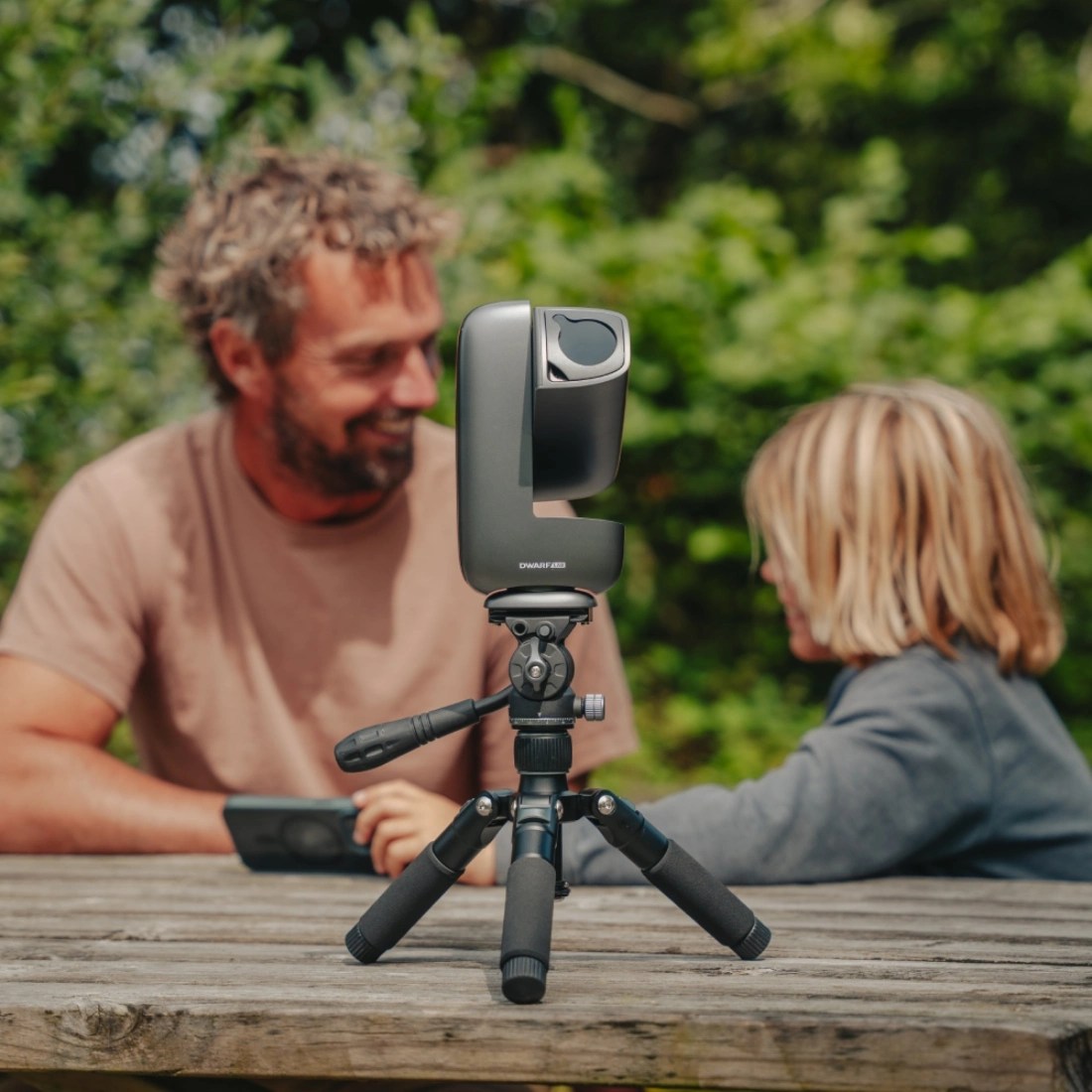
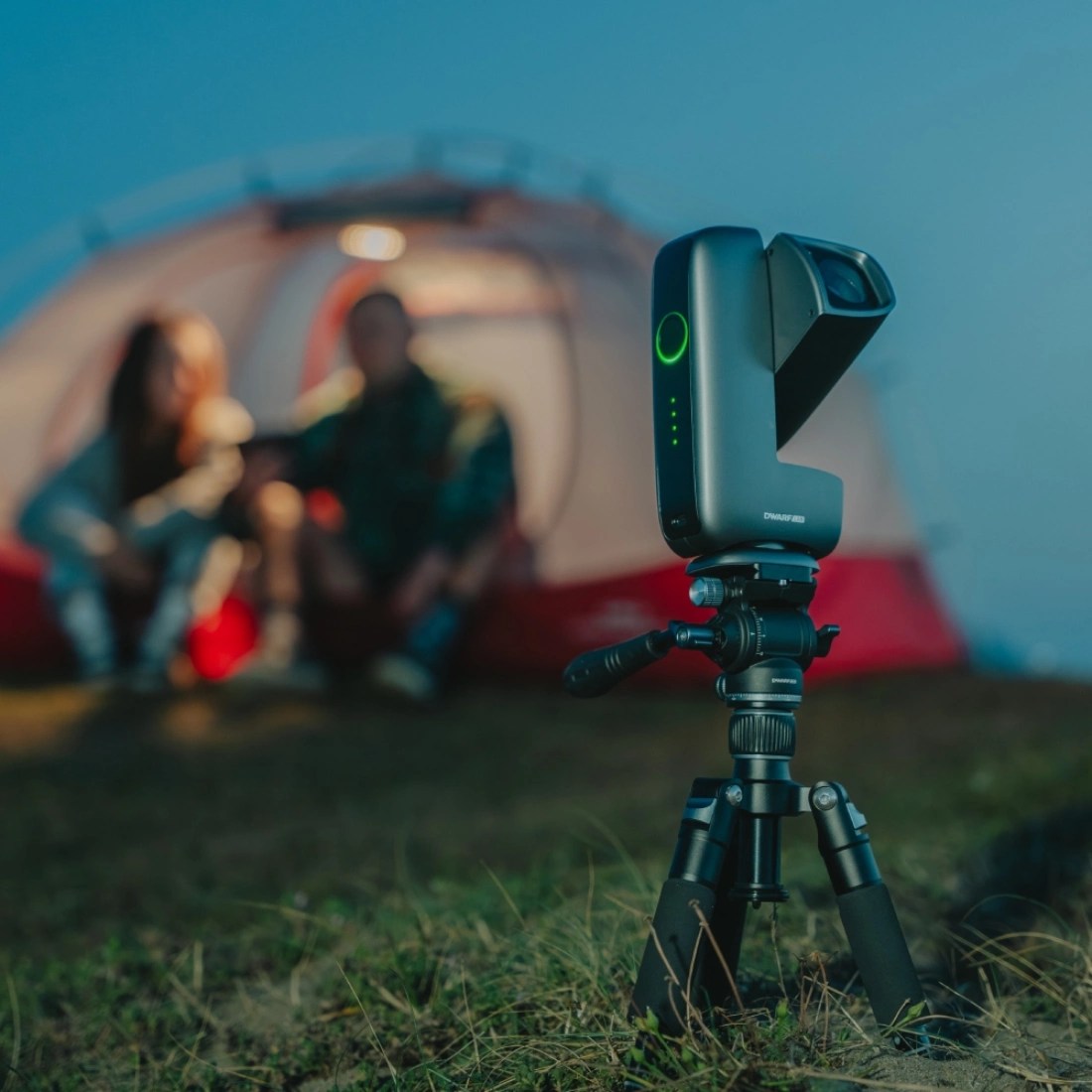
DWARFLAB, a leader in autonomous optical technology, has officially announced the global commercial release of the DWARF Mini. Engineered to bridge the gap between high-end astro-photography and extreme portability, the DWARF Mini enters the market as the most compact smart telescope in the company’s portfolio.

Redefining Portability in Astronomy

The DWARF Mini prioritizes mobility without compromising the technical requirements of deep-space imaging. Weighing just 820g (29oz), the unit is designed for rapid deployment, allowing users to transition from unboxing to celestial tracking in under three minutes.

At the core of the system is a 360-degree motorized mount controlled via a dedicated mobile application. This automation handles the complex task of locating and tracking stars, planets, and nebulae, making the hobby more accessible to beginners while serving as a highly capable secondary rig for seasoned astronomers.

Professional Imaging in a Compact Frame

Despite its diminutive scale, the hardware is built around a specialized Sony IMX662 (1/2.8-inch) sensor. This sensor utilizes 2.9 \mum pixels to maximize low-light sensitivity, producing 1080P high-definition imagery. The optical train features a 150 mm f/5 telephoto lens with a 30 mm aperture, balanced specifically to optimize light gathering within a pocket-sized chassis.

To combat the challenges of various shooting environments, the DWARF Mini integrates a triple-filter system:

  • Dark Frame Filter: Automatically reduces thermal noise.
  • Astro Filter: Enhances contrast for deep-sky nebulae.
  • Narrowband Filter: Specifically designed to suppress urban light pollution and lunar glare.

Word from the CEO

“Our mission has always been to simplify the complexities of the cosmos,” said Kai Huang, CEO of DWARFLAB. “With the DWARF Mini, we have packed professional-grade tracking and multi-spectral filtering into a form factor that fits in a backpack.”

According to Huang, the best telescope is “the one you can actually take with you, and the Mini ensures that whether you are on a balcony or a remote mountain trail, the universe is within reach.”

Extended Performance and Versatility

To support long-exposure photography, the Mini includes an equatorial mount mode that compensates for Earth’s rotation, allowing for stable exposures of up to 90 seconds. The unit is powered by a 7000 mAh battery, supporting up to four hours of continuous field use, and features 64 GB of onboard storage for high-resolution data capture.

Technical Specifications at a Glance

FeatureSpecification
Weight820 g (29 oz)
SensorSony IMX662 (1/2.8 inch)
Resolution1080P (2.9 µm pixels)
Optics150 mm f/5 lens; 30 mm aperture
Storage64 GB Internal
Battery LifeUp to 4 hours (7000 mAh)
Included FiltersDark frame, Astro, Narrowband, and External Solar

Availability and Price

The device is currently available for purchase through the official DWARFLAB website at a retail price of $399 / £359, with availability on Amazon expected to follow shortly.

How to Ship a Monitor Like a Pro: From Wrapping to Boxing

0

Alright, picture this: you’re headed out to see the family for a couple of weeks but still need to keep an eye on your kid. Only problem—shipping that baby monitor without it getting damaged. It’s not just the screen you have to worry about, but also those circuits inside. It’s essential that you know how to ship a monitor properly. Shipping a baby monitor might be a daunting task, especially if it is a baby camera monitor

This guide will provide you the step-by-step directions on how to ship a monitor, including taking apart the device, covering the screen and packing for shock absorption. You will also learn about choosing the right box, figuring out how to insert the filler to the empty spaces and doing the double-box method for better security of your shipment. 

1. Getting Started: Gathering Your Packing Materials

Don’t just go for it without a plan. Seriously, before you even learn how to ship a monitor, such as a video baby monitor, round up your packing stuff. Bubble wrap—lots of it—packing tape, soft protective material, and a strong box that won’t collapse. 

If you run around looking for tape when you are halfway through packing, it will be a disaster. Having all your stuff in one place will make you go through the process like a pro. Plus, you won’t spend the whole time worrying if it’ll show up in pieces. It’s just less stress, and your monitor gets a fighting chance on its bumpy ride.

2. Disassembling the Monitor and Securing Loose Parts

Parting out removable parts and securing loose components is an essential step in figuring out how to ship a monitor safely. Take a monitor apart, and yeah, odds are way lower that you’ll get scratches or cracks when moving it around. Still—tiny parts like the stand, cables, or those weird little mounting things? Super easy to lose or snap if you’re not careful. 

Follow these instructions to properly disassemble your monitor for packing safely: 

  • First, remove the stand or base carefully and then wrap it in bubble wrap. A small stand can be easily damaged if it is left unprotected.
  • Next, pull out all the cables—power cords, HDMI, whatever you’ve got—and wrangle ‘em up with a twist tie or rubber band. No one wants to untangle spaghetti wires after a long move.
  • Got screws, brackets, or random tiny bits? Don’t just toss ‘em in the box and hope for the best. Grab a ziplock or any little baggie, dump them in, and slap a label on it.
  • In case you are packing a video baby monitor, first, take the camera unit out of its frame gently, then wrap it in soft padding to protect the lens and screen.

3. The Most Important Step: Protecting the Monitor Screen

Apart from learning effectively how to ship a monitor, the most important thing to do is to protect the monitor screen. The screen is the most delicate part of the device and can be easily scratched, cracked, or broken even with a small drop during the shipping. By taking good care at this stage, you ensure that the monitor remains in great condition and quite possible that you will avoid expensive repairs. 

The following steps should be performed to protect the screen prior packing: 

  • Place a soft cloth or microfiber towel over the screen so that there are no scratches.
  • Cover the screen with an appropriate amount of bubble wrap, making sure that it is stable and not being pressed.
  • If it is a video baby monitor that you want to pack, then the camera lens should be wrapped in foam or other soft padding so that it is kept safe from any kind of impact.
  • Secure the wrapped screen with tape or elastic bands, but avoid sticking anything directly to the screen surface.

4. Wrapping the Whole Monitor for Shock Absorption

If you want to know how to ship a monitor properly and not end up with a box of sad, shattered dreams, you have to go all-in on the padding. Grab some bubble wrap (the real, poppy kind—not those wimpy thin sheets) or a fat stack of foam, and wrap that device up like you’re tucking it in for a blizzard. Don’t do it with a little effort—get those corners, edges, everything. Tape it up tight so nothing slips loose and starts rattling around mid-journey.

Even a delicate video baby monitor can make it cross-country without a scratch if you do it right. The goal? Zero movement in the box. Treat it like you’re packing up the world’s most fragile pizza. A broken screen or damaged buttons are not what anyone would want. Seal it, shake it, and if there is no noise, then great—you really did it. 

5. Finding the Right Box and Cushioning the Bottom

Selecting the right box and putting a cushion at the bottom is a major step towards mastering on how to ship a monitor without any damage. Don’t grab some flimsy leftover from your last online shopping splurge—actually pick one that’s tough enough to handle a few bumps. You want it just a bit bigger than your monitor, nothing massive, just enough to sneak some padding in on all sides. 

Now, for the bottom—don’t skimp here. Toss in a solid layer of bubble wrap, foam, or even packing peanuts if that’s what you’ve got. If you’re packing a video baby monitor, go extra thick with the bottom cushion. Good padding means your gear shows up in one piece and you don’t have to stress about it getting wrecked on the way.

6. Placing the Monitor Inside the Box and Filling Empty Spaces

Placing the monitor in the box and filling empty spaces is an important step when preparing how to ship a monitor. Gently put the wrapped monitor on top of the bottom cushioning in the middle of the box. Fill all the empty spaces around the monitor with foam sheets, packing peanuts, or crumpled paper so that the monitor does not move. 

Make sure the camera, screen, and controls are fully wrapped with padding so that the monitor does not move. Properly filling empty spaces gives parents confidence that even a fragile video baby camera will arrive in perfect condition.

7. A Quick Guide to the “Double-Box” Method

If you are looking for an effective method on how to ship a monitor safely, double-boxing would be the safest option for you. Not only does this method provide extra protection, but it also helps to minimize the chances of the baby monitor getting damaged by being thrown or hit during transport. In fact, double-boxing becomes a necessity in case you have bigger monitors or if the glass of the screen should be handled with extra care. 

Here is a step-by-step guide to applying the double-box method:

  • First, after putting some soft material at the bottom of a sturdy box, place your fully covered monitor inside the box. Make sure the monitor is in the middle.
  • In the spaces between the monitor and the box, stick foam sheets, bubble wrap, or crumpled paper to secure the monitor so it does not move.
  • Close the box and then seal the edges of the box with packing tape.
  • Get a box which is a little bigger than the first one and put some soft material at the bottom.
  • Plop your first, now-sealed box right in the middle of the second box. Make sure there’s enough of a gap on all sides so you can wedge more padding in there.
  • Put packing peanuts, more bubble wrap, or even more crumpled paper—doesn’t matter, just fill it up.

8. Sealing the Box and Preparing for Its Journey

When the monitor is safely placed in its protective packaging, the last step in how to ship a monitor without any damage is to at least close the box and get it ready for shipment. Apart from closing the box with the strong packing tape, use the tape to cover the seams and edges of the box, which will be holding the box closed while being transported. 

Moreover, it is very necessary to stick a label on the box with the complete address and all the information that the delivery personnel will require in order to handle your package with care. A monitor that has fragile display and controls, if sealed and labeled in the proper way, will certainly be safely delivered. 

Conclusion

When it comes to transporting a baby monitor, it may seem complicated at the beginning. However, if you know the step by step instructions on how to ship a monitor, the whole process can be much easier. Grab your packing supplies, cover the monitor’s screen with some padding, then wrap the whole thing. Remember that your box choice actually matters—a flimsy Amazon box from two months ago won’t cut it. 

Lastly, toss in some extra packing peanuts or whatever’s lying around to fill the gaps, and make sure nothing’s rattling in there.If you’re feeling paranoid, do the double-box method—a box within a box. That way, even if the delivery guy chucks it onto the porch, your fancy video baby monitor is still gonna work when it lands. 

Nosh One: AI Cooking Robot Automates Home Meal Prep

0

Nosh Robotics has introduced Nosh One, an innovative AI-driven robot that automates the entire cooking process for households. This device employs sophisticated robotics and adaptive algorithms to prepare professional-grade meals, eliminating the need for chopping, monitoring, or cooking skills. By integrating real-time learning from user habits, it delivers consistent, personalized results tailored to individual preferences.

Development and Core Technology

After seven years of collaboration among engineers, culinary experts, and scientists, Nosh One leverages machine vision, generative AI, and precision sensors. It manages all stages—from ingredient handling and cooking to serving and washing—using NoshOS, a custom AI platform trained on diverse recipes, techniques, and food science data. This enables dynamic adjustments for optimal flavor, texture, and nutrition.

“We are redefining kitchen automation with Nosh One,” stated Yatin Varachhia, Co-Founder and Head of Product at Nosh Robotics. “Previous gadgets demanded constant human input, but our robot independently masters the art of cooking. It senses, adapts, and perfects dishes like a seasoned chef in your home.”

Nosh One Specifications

Nosh One stands out with these advanced features:

  • Dimensions and Design: Compact countertop unit (18 x 12 x 16 inches, 35 lbs) with modular attachments for versatility.
  • Cooking Methods: Supports sautéing, steaming, braising, stir-frying, slow cooking, baking, and precise temperature control up to 500°F.
  • Capacity: Prepares meals for 2-6 people; 5-quart main chamber, dual storage modules for 10+ lbs of ingredients.
  • Sensors and AI: 12-sensor suite (vision, infrared, humidity, aroma) for real-time monitoring; learns preferences after 5-10 uses.
  • App Integration: iOS/Android app for recipe selection, natural language requests, nutrition tracking, and remote notifications.
  • Cleaning and Safety: Automated self-wash cycle (10 minutes); FDA-approved materials; cross-contamination detection.
  • Sustainability: Reusable cartridges reduce waste by 40%; energy-efficient (under 1 kWh per meal).
  • Recipe Library: 5,000+ global dishes with weekly AI-generated updates; custom recipe creation via voice/text.

Sudeep Gupta, co-founder of Nosh Robotics, added: “Our system grasps the nuances of food chemistry—from perfect caramelization to ideal reductions—setting a new benchmark beyond basic appliances.”

Practical Design for Everyday Use

Tailored for busy families, Nosh One fits standard counters and uses snap-in cartridges for fresh ingredients, minimizing waste and prep time. Users scan pantry items via the app for smart suggestions, while the robot handles execution hands-free. It excels in diverse cuisines, from stir-fries to stews, with built-in healthy cooking modes emphasizing whole foods.

Availability

Nosh One is available on Kickstarter, with deliveries starting summer 2026. Early buyers get free starter cartridges and exclusive chef recipes. Future expansions include add-on modules for baking or grilling.

Nosh One promises to make gourmet cooking accessible, blending cutting-edge tech with everyday convenience.

Top AI Tools for Productivity in 2026: Boost Your Workflow with Smart Technology

0

In 2026, artificial intelligence stopped being just talk. It quietly slipped into common software used daily by millions. Just like knowing peryagame on gamezone, sharpens thinking during play, learning AI helpers boosts performance across jobs, classrooms, schools, offices. Since these digital aids arrived, chores get handled faster, ideas form easier, results grow stronger. Whether it’s sorting emails or drafting reports, machines now pitch in without fuss. Tools shaped by smart algorithms stand ready to change how time gets spent at desks everywhere. A few names keep appearing when people discuss what works best this year. Each one simplifies something once slow or messy. Efficiency isn’t a goal anymore – it’s the starting point.

A modern workspace featuring a laptop with a friendly robot interface, two mobile devices displaying apps, a calendar, a cup of coffee, and books, all surrounded by digital icons representing AI and communication technology.

1. Notion AI

For years people have used Notion to take notes, handle tasks, or keep things in order. With Notion AI now part of the mix, what it can do has grown stronger. Instead of writing everything by hand, you get summaries from meetings just by asking. It builds checklists too, along with starting points for reports using basic cues. Teams find fewer roadblocks when updating progress since parts write themselves. Because structure comes fast, workers spend less time arranging pages and more doing actual work.

2. ChatGPT by OpenAI

ChatGPT started out helping people chat online, yet now it does much more. In 2026, drafting messages, sparking concepts, building documents, or aiding code comes naturally to it. Through API links or built-in office apps, work moves faster since less time gets lost in basic writing or number crunching. Because different fields find uses for it, few tools match its flexibility today.

3. GrammarlyGO

Instead of just fixing errors, GrammarlyGO acts like a smart helper for everyday writing tasks. Whether drafting messages or shaping posts, it adjusts to how you naturally sound. Around 2026, its brain gets sharper – understanding context better than before. Clarity, short sentences, fresh ideas – it checks those too now. People who want clean work fast find it useful, since less editing means more time saved.

4. Otter AI

Spoken words pile up fast during long talks, classes, or conversations – rewinding every part takes hours. A tool like Otter AI listens along, typing out each line clearly while things unfold. Instead of just writing down what’s said, it spots turning points in discussion, pulling them into quick overviews. Moments that matter get flagged automatically. From group work to studying alone, remembering who said what becomes easier when thoughts stay organized right after they’re spoken.

5. Trello + AI Automation

One way Trello helps teams is by using AI to streamline how work moves forward. Because it now sorts tasks smarter, people spend less time deciding what to do next. When small jobs repeat, the system handles them without someone needing to step in. Insights based on past patterns help spot timeline risks before they grow. Managers watching multiple groups find alerts about bottlenecks appear sooner than before. Visual boards stay clean even as automated choices shape progress behind the scenes. So long as clarity matters, this tool adapts quietly while keeping focus on results.

6. Zapier AI

What if machines could handle the busywork. Zapier AI watches how you use tools, then quietly suggests smart shortcuts between them. Instead of clicking through steps yourself, it links actions – like pulling details from messages and sorting them into tasks. When routines run on their own, hours open up during the week. That space? It goes back to what only humans should do. Attention shifts where it matters most.

7. Miro AI

Starting strong, Miro sticks around as a go-to for group thinking and layout design. Come 2026, smart features inside Miro shape charts, idea webs, and plans just by typing clear requests. Instead of building every detail alone, teams sketch tactics, flow steps, or lively slides with less effort. Because it fits different ways people work, joining ideas feels smoother, almost natural. Speed makes sense when teamwork flows faster than before.

Why AI Tools Are Essential in 2026

How we see getting things done keeps changing. Because of that, artificial intelligence tools are now expected, not just nice to have. They do more than cut down hours spent – helping minds explore ideas while reducing mental load. That shift lets workers focus energy where it matters most. With simple jobs managed automatically, structure gets better. Choices happen faster. People working together find smoother ways forward.

A marketer might feed early email ideas into ChatGPT, shape them further using GrammarlyGO, while Other AI listens in on meetings. Time saved opens space for thinking through big moves. Project leads could turn to smart dashboards inside Trello or Miro instead, spotting weak points before they grow. Smarter flow comes easier now than it did back then.

Looking Ahead

By 2026, smart tools won’t just act – they’ll predict what comes next, shaped by real-world situations. Instead of merely ticking off chores, these systems boost how people think and decide. Progress now means working smarter, not harder. Getting familiar with artificial intelligence early builds confidence before it becomes ordinary. Staying sharp in a fast-changing world hinges on flexibility, original ideas, fair speed – not raw effort alone.

Start by seeing things differently – AI shifts the way work gets done, no matter if it is guiding a team or handling routine jobs. Done with purpose, not just habit, these tools reshape what you’re able to pull off each day. The year 2026 might just stand out simply because of how well you use them.

EDITOR NOTE: This is a promoted post and should not be considered an editorial endorsement

Bob and Brad Zero Pro Eye Massager Brings Professional-Grade Eye Relief Home

0

The modern workday has a way of creeping straight into the eyes. Between laptops, phones, tablets, and the occasional late-night streaming session, eye strain has quietly become one of those everyday annoyances many people simply accept. That is where devices like the Bob and Brad Zero Pro Eye Massager ($150) try to step in, offering a small pocket of relief that sits somewhere between wellness gadget and personal relaxation tool.

Bob and Brad, widely known online as physical therapists who focus on recovery and pain relief tools, have built a reputation around practical health devices that aim to solve common aches. The Zero Pro Eye Massager fits neatly into that philosophy. Instead of tackling sore backs or tight shoulders, this one targets tired eyes and the surrounding facial muscles.

After spending some time looking at its design and feature set, the Zero Pro positions itself as a compact device built to reduce eye strain, encourage relaxation, and add a short wellness break to the day.

With rhythmic compression, mild heat, and an easy ten-minute routine, the Zero Pro Eye Massager is designed for the realities of modern screen fatigue.

Design and Comfort

The first thing that stands out about the Zero Pro Eye Massager is its compact, visor-like shape. It wraps around the upper portion of the face much like a sleep mask, but with a more structured build that houses the internal massage system. The device is designed to sit comfortably around the eye area without placing pressure directly on the eyeballs themselves.

A soft interior lining helps keep things comfortable during longer sessions. The materials feel intentionally chosen to avoid irritation around the delicate skin near the eyes. Adjustable straps allow the device to fit a variety of head sizes, which is important for something meant to be worn while sitting back and relaxing.

A white sleep mask with a soft, padded design, featuring the brand logo 'Bob and Brad' on the front, resting on a grey blanket.

The overall footprint is fairly travel-friendly. It does not feel bulky or overly complicated, which makes it easy to toss into a bag if someone wants to use it at the office, during travel, or while winding down at home.

The visual design also leans toward a clean, modern aesthetic. It looks more like a small wellness accessory than a medical device, which makes it less intimidating for casual use. From a distance it looks like one part AR/VR goggles and part half eye mask.

Massage Technology

At the core of the Zero Pro Eye Massager is its air compression massage system. Instead of vibrating directly against the eyes, the device uses small internal airbags that inflate and deflate in patterns around the temples, brow line, and upper cheek area.

This style of massage is meant to mimic gentle pressure techniques often used in facial therapy or relaxation treatments. The compression creates a pulsing sensation that moves across the surrounding eye muscles rather than focusing on a single point.

For people who spend long hours staring at screens, this type of rhythmic pressure can feel surprisingly soothing. It targets areas that tend to tighten up during long stretches of concentration.

The pressure patterns typically cycle through a sequence, creating a consistent massage routine that runs for a set period of time before shutting off automatically.

Heat Therapy

One of the most appealing features built into the Zero Pro is the addition of heat therapy. Gentle warmth spreads across the eye area during use, adding another layer of relaxation.

A soft, padded eye mask resting on a textured gray fabric surface, designed for relaxation or sleep.

Warm compresses have long been recommended for relieving eye fatigue and dryness. By incorporating heat directly into the device, the massager attempts to recreate that soothing effect without requiring towels or separate treatments.

The warmth is designed to stay mild rather than intense. The goal is comfort rather than strong heat output. During a session, the warmth combines with the compression massage to create a calming experience that encourages users to simply close their eyes and take a break.

For people dealing with tension headaches or tired eyes after a full day of screen time, the combination of warmth and massage can feel especially restorative.

Built-In Sound and Relaxation Modes

The Zero Pro Eye Massager also incorporates audio elements to enhance relaxation. Indeed, it includes built-in speakers that play ambient sounds or calming music while the massage session runs.

This feature turns the device into something closer to a short guided relaxation moment rather than just a mechanical massage. Users can lean back, close their eyes, and let the combination of sound, pressure, and heat create a more immersive experience.

While the audio features are not strictly necessary for the massage itself, they help transform the device from a simple tool into a mini relaxation ritual.

Close-up of a control panel on a headset with a toggle switch and adjustment buttons.

Ease of Use

One of the strengths of the Zero Pro Eye Massager is how simple it is to operate. Controls are limited to a small button/dial placed along the outer shell of the visor.

The button allows users to power the device on, cycle through massage modes, and adjust heat or audio settings. Because the device is worn over the eyes, the controls are designed to be easily identifiable by touch.

A typical session lasts around ten to fifteen minutes, which feels intentional. That time window is long enough to provide a meaningful break without turning into a full nap session.

For many people, this makes the massager a natural addition to daily routines. It can fit into a quick afternoon reset, a pre-bed relaxation routine, or even a mid-day break between meetings.

Charging is handled through a built-in rechargeable battery via USB-C, meaning there are no proprietary wires to worry about. Once charged, the device can usually handle multiple sessions before needing to be plugged in again.

Who It Is For

The Bob and Brad Zero Pro Eye Massager seems particularly well suited for people who spend long hours in front of screens. Office workers, students, content creators, and anyone dealing with digital eye fatigue may find the device appealing.

A pair of lightweight, grey headphones with a sleek design, set against a soft, dark background.

It also fits nicely into the broader wellness gadget category. People who already enjoy massage guns, heating pads, or recovery tools may see this as an extension of that ecosystem, just focused on the face rather than muscles or joints.

Frequent travelers may also appreciate its portability. Long flights, hotel stays, and irregular sleep schedules can lead to eye fatigue, and a compact relaxation device like this can offer a quick reset.

Early Impressions

From a hands-on perspective, the Bob and Brad Zero Pro Eye Massager looks designed to bring a small slice of spa-style relaxation into everyday routines. It blends compression massage, gentle heat, and optional audio features into a device that can be used almost anywhere.

It does not attempt to replace medical treatments or professional eye care. Instead, it focuses on the more common problem of tired eyes and facial tension caused by long workdays and constant screen exposure.

For many people, the biggest value may come from something simple: forcing a short pause. Ten minutes with eyes closed, away from screens and notifications, can be surprisingly refreshing.

The Zero Pro Eye Massager appears to be built around that exact idea. It is less about flashy technology and more about creating a brief moment of comfort in the middle of a busy day.

AI on Mac and Android: 7 Smart Features You’re Probably Not Using Yet

0

Artificial intelligence (AI) features on Mac and Android extend far beyond just voice assistants and photo filters. Many of today’s most powerful AI tools run quietly behind the scenes, making your device safer, faster, and easier to use every day without requiring any setup or even an understanding of how they work. But many people aren’t tapping into this, relying instead on mainstream apps.

This article reviews seven useful AI-based capabilities already available. These practical tools can help you enhance what you can do with your devices while keeping your data safe.

AI Security and Privacy Tools That Work Quietly in the Background

AI security supports macOS and Android’s core services well; instead of relying on periodic scans or checks of individual files, modern systems use machine learning to monitor behavior, file usage, and network traffic in real time. This often results in catching issues earlier and preventing corrupt data infiltration and malware running in the background.

These tools matter because cyber threats increasingly exploit user behavior, credentials, and hidden activity. The three AI features below show how Macs and Android devices actively protect our data and system performance, working behind the scenes without requiring constant setup.

1. AI Malware Detection That Learns New Threats Automatically (Mac)

Mac malware is becoming more powerful and more adept at using apps and other delivery and distribution methods, with Mac malware appearing in both apps and browser extensions. AI-based Mac malware detection tools identify malware based on what they do, not just virus signatures, so they’ll catch threats that haven’t yet appeared in public malware databases.

If you’re looking to get rid of AI malware, modern macOS antivirus titles do that far better. Most Mac users will only search for protection when they notice sluggishness or see it misbehaving in the background. The Moonlock app for macOS focuses on real-time monitoring, AI-powered malware classification, and background scanning for common Mac users. An antimalware tool for macOS, Moonlock helps detect and destroy, among others, trojans, adware, and viruses that are spreading, focusing on behavioral patterns rather than just known signatures.

AI-driven suspicion detection can catch unusual behavior in a file, a system file anomaly, or a hidden, suspicious script before it appears in multiple apps and user data, helping to limit performance issues and security risks without requiring constant checks.

2. AI Network Monitoring That Flags Suspicious Connections (Mac & Android)

AI network monitoring examines traffic patterns to and from applications to spot unusual connections. AI can flag any sudden communication with unknown servers or atypical encrypted data chunks that slip out of the organization.

On Mac, AI network tools tend to live alongside system firewall and background security services. On Android, the AI monitoring looks for risky Wi-Fi environments, suspicious app traffic, and hidden background connections.

3. AI Permission Monitoring That Detects Risky App Behavior (Android)

Android uses AI to observe how apps use permissions over time. Instead of just evaluating apps at installation time, the OS can understand how they typically interact with location, the microphone, and files. If an app suddenly behaves differently from its normal behavior, it can be flagged or blocked.

That stops developers from harvesting your data or using spyware-like behaviour intentionally. If a flashlight app starts accessing your contacts or storing excessive data, Android AI will automatically reduce its permissions or show a warning.

Newer Android versions also use AI to suggest removing permissions from unused apps. This reduces long-term privacy risks and limits how much background data apps can collect when not in active use.

Built-In AI Productivity Features Most Users Ignore

Three smartphones with blue screens and a computer chip labeled 'AI' in the foreground.

How do I use AI on my phone? AI productivity tools have integrated into the core apps on macOS and Android. The idea is that our brains cannot process this much information on their own, so we need devices to help us. Somehow, many people still install third-party apps to do things their phones can already do with built-in AI.

4. AI Writing and Summarization Built Into System Tools (Mac & Android)

Mac and Android also feature AI writing assistance throughout several native apps. On macOS, for example, AI text tools help rewrite emails, summarize lengthy documents, and produce quick replies inside macOS 14 system apps and supported third-party apps.

Android is rolling out AI writing support in keyboards, messaging apps, and document apps, allowing users to summarize long threads, rewrite long messages in different tones, and pull key points from web pages or PDF files.

AI summarization also tackles the problem of information overload. Instead of reading long, wordy emails or articles, users can simply view a structured summary of key points with suggested actions.

5. AI File and Photo Organization Without Manual Sorting (Mac & Android)

On Mac, AI will automatically group your screenshots by the project you were working on, find documents buried in a photo library, and even suggest a file name based on the contents of the document you’re saving. Spotlight search also uses AI to help you find that file using context clues, not the name of the file.

Android uses AI to automatically categorize screenshots, downloaded files, and photos. AI photo organization can help detect events, objects, text, and location. This means you can search for content using simple natural-language queries rather than navigating folders manually.

Cross-Device Intelligence and Personalization

AI changed how Macs and Android devices work together, offering a better experience across platforms.

6. AI Cross-Device Content Sync and Smart Suggestions (Mac + Android Workflows)

Modern users bounce between a range of devices multiple times a day. AI features are helpful because they ensure a seamless transition through cross-device synchronization.

●       Clipboard Syncing: Services like Alt-C sync your clipboard between Mac and Android, meaning if you’ve copied some text, you can paste it on your other device.

●       Smart Connect by Lenovo: This platform enables users to seamlessly share files, access messages, and sync clipboard data across Windows, Android, and Mac environments, streamlining cross-platform collaboration.

This suite of AI-enabled tools maintains data synchronization and also supplies context-driven recommendations, boosting productivity and user satisfaction.

7. AI Performance Optimization That Adapts to Your Usage Patterns (Mac & Android)

AI not only augments capabilities but also keeps things running smoothly by learning from how you behave.

●       Predictive Maintenance: Instagram and Netflix are two products leveraging AI to anticipate performance problems and proactively resolve them to deliver an optimal experience prior to any anomalies being visible to the user.

●       Resource Management: By examining how users interact with your apps, AI allocates resources accordingly to cut down battery drain and ensure your software responds quickly.

By learning from user behavior, AI can help ensure your Mac and Android run at optimal efficiency for your lifestyle.

Why These AI Features Matter More in 2026

AI is shifting toward on-device intelligence, which reduces lag, improves privacy, and ensures it’s available even without an active internet connection. Newer chips include dedicated processing units designed for latency-sensitive workloads such as language processing, photo analysis, insight generation, and fraud detection.

At the same time, the AI itself is becoming less obvious to users while becoming more important to everyday device operation. Instead of requiring users to set it up, the AI now operates continuously across system services, security layers, battery management, and app optimization. Most users probably see AI dozens of times a day without realizing it. AI is no longer a standalone feature. It’s core infrastructure.

Final Thoughts: AI Is Becoming a Core Part of Everyday Device Experience

AI on Mac and Android goes beyond simply being a helper. It has now become integrated into various faucets. The seven features in this piece illustrate how AI is already making it easier to use devices daily by automating tasks, providing protection through intelligent means, and speeding up access to information.

As on-device AI continues to grow, those who understand these built-in capabilities will be able to achieve better performance, greater privacy, and more efficient workflows without having to download additional apps or perform any extra setup.

EDITOR NOTE: This is a promoted post and should not be considered an editorial endorsement