Home Blog Page 52

Xiaomi 15T Pro Review 

Last year, I reviewed the Xiaomi 14T Pro, and no doubt the phone impressed me a lot. Now, Xiaomi has introduced a successor, the Xiaomi 15T Pro. The company’s T-series devices are known for their performance and camera capabilities while offering the lowest price compared to premium flagships.

This time around, Xiaomi has completely turned the tables with its latest generation T-series smartphone, bringing notable design, camera, and battery upgrades. Perhaps most significantly, it now doesn’t come cheap, though. If you ask me why, the obvious reason is that Xiaomi’s latest T-series smartphone has inched closer to flagships than traditional mid-range phones. 

Like last time, this time too, Xiaomi provided us with a 15T Pro review unit. It’s been almost two weeks since I started using the Xiaomi 15T Pro as my daily driver, and during my extensive testing period, the phone performed really well. The real question is, does it stand against some of its mid-range flagship rivals like the Google Pixel 10, OnePlus 13, and iQOO 13? Let’s find out.

With its Leica-tuned cameras, flagship-grade design, and all-day battery life, the Xiaomi 15T Pro delivers premium performance without the premium price tag.

Pros 

  • The new design looks more premium than previous years
  • Fluid 144 Hz AMOLED display 
  • Snappy performance 
  • Amazing telephoto lens 
  • Solid battery life

Cons

  • Some bloatware
  • No charger included in the box
  • Limited market availability 

Price and Availability 

The Xiaomi 15T Pro starts at €799/£649 for the base 12 GB + 256 GB variant, while the 12 GB + 512 GB model costs €899/£699. Plus, Xiaomi has also announced a 12 GB + 1 TB storage configuration as well, which will set you back €999/£799. 

Though if you look at the price of the Xiaomi 15T Pro from a market perspective, the price does feel more expensive than some flagship rivals like the Samsung Galaxy S25, Pixel 10, or iPhone 17. This is something that definitely bothers buyers when considering Xiaomi’s 15T Pro phone. 

Xiaomi 15T Pro Unboxing

Design and Build

Xiaomi 15T Pro smartphone with a sleek design, showcasing the rear camera layout and branding on a wooden surface.
Image source: Abhinav Fating

When I unboxed the Xiaomi 15T Pro, I was taken aback by its new, refreshing camera layout and overall design. Xiaomi ditched its individual protruding lens design from its predecessor and opted for a uniform squarish camera island, which looks much better than the last-generation model. 

Are there any major changes in the overall design of the 15T Pro? The answer is yes. Dimension-wise, the device is now taller, slimmer, and wider than its predecessor. To be more exact, the smartphone measures 162.7 x 77.9 x 7.96 mm and weighs around 210 grams. By contrast, the 14T comes in at 8.4 mm thickness and weighs 209 grams. Despite boasting larger dimensions and a bigger battery capacity, the device isn’t any heavier and looks sleek and elegant. Specifically, if we look at the numbers, the phone weighs just one gram more than its predecessor. That almost makes no difference.

This time around, Xiaomi used a glass fiber back finished in a matte texture on the 15T Pro’s rear side, which offers a great in-hand feel. The 6M13 aluminum construction is quite sturdy, and the beveled edges ensure a comfortable fit for the palm. I liked the new squarish camera island design, which has chamfered edges and a metallic finish that looks quite good. Plus, the carved Leica branding present between the four lenses offers a premium flagship phone vibe.

All the buttons and ports on the device are positioned perfectly, and I didn’t face any problems, like hard-to-reach buttons. The device is IP68 rated for water and dust resistance, meaning it can easily withstand dust and water. Xiaomi also claims that the smartphone can survive up to 3 meters (up from 2 meters from the last generation model), which is good to see.

Like last year’s phone, there is nothing new in the box content. You get the same color-matching soft silicone case, a Type A-to-Type-C charging cable, and a pre-applied screen protector; that’s it. There’s no charger included in the 15T Pro retail package.

A person holding the Xiaomi 15T Pro smartphone with a squared camera island design, against a background of green plant leaves.

Xiaomi brings three color options to choose from, which include black, gray, and mocha gold. The one I’ve received for review is the gray variant, which does look good, but honestly, I really liked the mocha gold colorway. Well, the camera bump is larger; that further translates to a minor wobble on a flat surface, particularly in the top right corner.

Screen 

A person holding the Xiaomi 15T Pro smartphone displaying its interface with applications and a small animated cat character on the screen.

The major upgrades reach the screen as well, which is good to see. The Xiaomi 15T Pro now features a larger display than before. It has a 6.83-inch AMOLED display (a step up from the 6.67-inch of the 14T Pro) that delivers a resolution of 2772 x 1280 with a whopping peak brightness of 3,200 nits. The phone feels very snappy and fluid in regular use, thanks to the 144 Hz refresh rate.

Upfront, there’s Corning Gorilla Glass 7i, protecting the panel from accidental scratches and falls. Speaking of panel quality, the 15T Pro has a very nice display, which offers sharp, vivid, and bright colors. Xiaomi has also packed a wide range of eye features into the phone, including DC dimming, TUV Rheinland certification for low blue light, flicker-free, and circadian-friendly credentials.

The display of the smartphone is pretty bright, and I didn’t have any problems using the phone under direct sunlight. This makes it one of the brightest phones I’ve ever tested. Unlike the base variant with ultrasonic, it comes with an in-display optical fingerprint sensor. Although this still gets the job done. 

Performance 

Close-up of the Xiaomi 15T Pro smartphone screen displaying various app icons, including social media and performance benchmarking applications, resting on a colorful book.

The performance department is now more powerful than before. The 15T Pro is powered by the MediaTek Dimensity 9400+ chipset, and honestly, in real life, the device offers flawless performance. No matter what tasks you throw at it, whether it’s streaming, browsing, scrolling social media, or gaming, the 15T Pro handles everything. Speaking of my experience, I used the smartphone for two weeks and I didn’t notice any slowdowns.

Xiaomi has offered up to 12 GB of LPDDR5X RAM and up to 1 TB of UFS 4.1 storage. Additionally, you get all the latest connectivity with the Xiaomi 15T Pro, including Bluetooth 6.0, cutting-edge WiFi 7, NFC, and 5G. The review unit I received features 12 GB of RAM and 1 TB of internal storage.

Speaking of benchmarks, MediaTek’s Dimensity 9400+ managed to impress me on the Geekbench 6 and 3DMark stress tests, where the device achieved scores of 2474 in single-core and 7480 in multi-core tests. On the other hand, it also performed quite well in 3DMark stress tests by scoring 3345 in 3DMark Wildlife Extreme, 5559 points in 3DMark Solar Bay, and 20 fps in the 3DMark Wildlife test. The CPU score is quite good compared to last year’s Dimensity 9300+-equipped Xiaomi 14T Pro. However, the processor isn’t quite there in terms of raw performance.

Coming to the gaming performance, I played some of the popular mobile titles such as Genshin Impact, BGMI, and COD Warzone. During gameplay, I didn’t notice any lags or frame drops on high-graphics settings. The smartphone does get warm during my one-and-a-half-hour gaming session. However, it doesn’t get as hot as its last-generation model.

Close-up view of the Xiaomi 15T Pro smartphone's display showing the home screen with time, date, and connectivity icons.
Image source: Abhinav Fating

Xiaomi has incorporated a bigger 5,500 mAh battery into the Xiaomi 15T Pro, a step up from the 5,000 mAh of the 14T Pro. With heavy use, mostly gaming, streaming, scrolling, and taking videos and photos, the phone easily offered me a day-long battery life (10 hours and 37 minutes) without any issues whatsoever, and in casual use, it lasted around 18 hours and 25 minutes on a single charge. That’s impressive.

In terms of charging, Xiaomi has slightly downgraded the charging power compared to the 14T Pro, which features 120 W wired charging. As far as the charging speed is concerned, the 15T Pro supports 90 W wired HyperCharge and 50 W wireless HyperCharge charging. Still, it’s faster than the latest iPhone 17 series and Galaxy S25 series. It took just over 45 minutes to fully charge the device and only 21 minutes to hit the 0 to 50% mark. The only quibble is that there’s no charger in the box and you have to purchase it separately. Although it’s not the first time, Xiaomi also did the same with the last-generation model too.

Camera Performance

Close-up of the rear camera module on the Xiaomi 15T Pro smartphone, showcasing a squarish camera island with four lenses and Leica branding.
Image source: Abhinav Fating

Like its predecessor, the Xiaomi 15T Pro also has a Leica-tuned triple rear camera setup. The primary camera is 50 MP, complemented by a 12 MP ultrawide and a 50 MP periscope telephoto lens with 5x optical zoom and 100x digital zoom. This time around, there are a few upgrades in the camera hardware. The main camera now comes with a large 1/1.31” sensor with OIS and PDAF support. The periscope lens boasts an equivalent length of 115 mm, and the aperture is f/3.0. Upfront, you get the same 32 MP Samsung KD1 sensor as last time.

The main camera captures really good pictures in daylight and low-light conditions, offering a great level of detail, a wide dynamic range, and good contrast. Enough talking; let’s take a look at some samples. You can clearly see the magic of Leica’s color science in the samples. Colors look accurate, balanced, and quite natural. I really liked the processing in the 15T Pro. The low-light performance of the smartphone is better than before. It does a good job in low-light conditions, delivering great shots with maximum detail without over-brightening an image.

However, the ultra-wide camera disappoints me a lot in terms of quality. To be more exact, it captures less detail and has an average dynamic range, and things go south in low light. Although you do get decent usable shots, that’s it. I hope that Xiaomi will improve this in their next iteration.

The addition of the new 5x telephoto is a game changer—it’s the first periscope used in a T-series. During my testing, I found the quality to be simply phenomenal; the images look realistic, sharp, and accurate with the main camera. The telephoto lens offers detailed images up to 5x, good images up to 30x, and usable images up to 60x, but after that, once you reach 100x, you see the major shift in quality—details get lost, and all you get is blurry output.

Like its predecessor, the 15T Pro allows you to record video at a maximum resolution of up to 8k 30 fps. Xiaomi has also added 4k 120 frames per second for slow-mo shots. No doubt, the video quality is really nice in daylight, although it does struggle a little bit, especially in low light.

Xiaomi 15T Pro video samples

The OIS/EIS works really well for image stabilization on both the main and telephoto lenses. The selfie camera is also good and offers nice, crisp, and detailed selfies with good skin tones.

Software 

A Xiaomi 15T Pro smartphone displaying the HyperOS interface on top of a book titled 'The Four Agreements'.
Image Source: Abhinav Fating

The Xiaomi 15T Pro boots HyperOS 2.0 based on Android 15 out of the box. The company has promised four major OS upgrades and six years of security patches, which is fine, but at this price point, Xiaomi must at least provide support for six major OS updates. Even Samsung’s mid-range A-series devices ship with a six-year software update policy, and the Pixel 9a sits at seven years.

Speaking of software experience, the OS looks good, feels snappier and super smooth, and it offers tons of customization options. However, the one thing that doesn’t change is the bloatware. You do get some amount of bloatware here. Though it’s removable, which is good. Xiaomi also offers a wide range of AI tools, including AI writing, AI editing, AI eraser, AI translation, and real-time AI interpreter mode.

Should you buy the Xiaomi 15T Pro smartphone? 

Buy it if…

  • You want a smartphone with large display
  • You like Leica-tuned camera phones
  • You want a smartphone with great all-round specs
  • You want a smartphone with good battery life 

Don’t buy it if…

  • You’re looking for an flagship camera smartphone 
  • You want a clean UI experience with long-term software support 

Final Thoughts 

A person holding a Xiaomi 15T Pro smartphone outdoors, with a green plant in the background. The phone features a new camera island design with multiple lenses and has a sleek metallic finish.
Image source: Abhinav Fating

Overall, Xiaomi did a phenomenal job with its latest, the 15T Pro. I really liked the new design, solid camera system, bigger display, long-lasting battery life, and fantastic performance of the 15T Pro. So far, the device ticks almost all the important boxes, making it a great option for those who want a solid camera phone without breaking the bank. 

The only quibble is the software. If you are looking for an clean UI experience with longer software support, you may want to consider the Pixel 10, the OnePlus 13, or the Samsung Galaxy S25.

CRKD Gibson Les Paul Cherry Sunburst Guitar Controller Announced

0

Just in time for the holiday shopping season, CRKD, the premium collectible gaming brand, made a surprise announcement today, unveiling a high-end treat for the rhythm gaming community.

The company has officially introduced the Gibson Les Paul Cherry Sunburst Pro Collector’s Edition Bundle, an exclusive product now available for pre-order.

The announcement was made as part of the ongoing IGN Fan Fest, with pre-orders kicking off immediately. The bundle is positioned as a must-have item for enthusiasts looking to elevate their rhythm gaming experience with a premium, collectible piece of gear.

Key Features and Compatibility

The all-new special edition bundle includes a multi-platform Guitar Controller, compatible with PC, PC handhelds, Nintendo Switch 1 | 2, and Android devices, including smart TVs, tablets, and mobile.

The new Guitar Controller is a faithful reproduction based on the famous Gibson Les Paul Cherry Sunburst guitar and is expected to ship in December 2025 in time for the holiday season.

This is the latest release resulting from the landmark collaboration between CRKD and Gibson, the world’s most iconic guitar brand.

For the team at CRKD, their community is everything, and when polled about special edition Guitar Controllers they wished to see made real, the Gibson Les Paul Cherry Sunburst came out on top.

The Gibson Les Paul Cherry Sunburst is designed and engineered by many of the original RedOctane team behind the legendary Guitar Hero games and controllers.

Unboxing the Collector’s Edition

It’s new bundle includes the stunning new Gibson Les Paul Cherry Sunburst Guitar Controller, with a host of quality collectibles and enhancements, essential for the discerning rhythm music gamer.

Also included is the Gibson Les Paul Cherry Sunburst Guitar Controller, sporting a premium high-gloss lacquered Cherry Sunburst finish with a pickguard seamlessly integrated into the artwork itself, delivering the unmistakable authentic Gibson Les Paul aesthetic.

On the reverse, a stainless-steel Gibson x CRKD Les Paul Collector’s Edition medallion, is laser-engraved and securely fastened, paired with the legendary Gibson Les Paul model signature on the included fret neck headstocks, cementing its status as a true collector’s piece.

Enhanced Customization

The Guitar Controller features both a Brown Signature Gibson Les Paul OG Pro Fret Neck and a Brown Signature Gibson Les Paul Solo Pro Fret Neck, offering gamers multiple ways to play and customize their performance to their preference.

In addition, the bundle also includes a Gibson x CRKD custom shoulder strap with off-white fabric and co-branded brown leather ends, two exclusive collector pins, a wireless dongle, a classic sticker sheet, an 8.5ft USB-C charging cable, and a rechargeable battery!

All these stunning collectibles are housed within a custom-made CRKD x Gibson Guitar Controller Backpack, created specifically for CRKD Guitar Controllers, and featuring dedicated compartments for two fret necks, a secure body compartment, and additional storage. Together, these elements form the ultimate collector’s package for rhythm gamers and Gibson fans alike.

Who’s It For?

The Gibson Les Paul Cherry Sunburst Pro Collector’s Edition Guitar Controller is designed for modern gamers while honoring its musical heritage. It features a Hall Effect strum bar with haptic feedback for speed and durability, mechanical fret buttons for accuracy, and a Hall Effect Whammy Bar with RGB lighting for immersion. It ensures consistent performance for long gaming sessions.

The Guitar Controller features Legacy Mode for classic Guitar Hero and Rock Band titles on older PlayStation consoles. It also includes CRKD’s unique KEYJAM Mode (Mode 9), which maps the controller as a keyboard and mouse, greatly expanding compatibility to allow playing Fortnite Festival across various platforms like Xbox and PlayStation.

Versatile Connectivity, Seamless Customization

This Gibson Les Paul Cherry Sunburst Pro Collector’s Edition Guitar Controller offers versatile connectivity (wired, 2.4GHz wireless, Bluetooth) and a unique navigation hub with analog sticks and a headstock D-pad for easy menu control. It also features a platform switch and mode dial for seamless adjustments.

The CRKD App allows players to extensively customize their CRKD device, including remapping buttons, adjusting sensitivity, controlling RGB lighting, and managing tilt settings. It also enables product registration for collection tracking and rarity ranking within the True Collection System.

Availability and Price

The Gibson Les Paul Cherry Sunburst Pro Collector’s Edition Bundle is available for pre-order now on CRKD official website, retailing for $199.99 USD. Orders are expected to begin shipping in December 2025.

Muse S Athena: AI Sleep System Adds Coaching, Deep Sleep Stimulation

0

Muse, the company renowned for its brain-sensing headbands, is launching the next major evolution of its sleep technology: Muse S Athena. The new platform, rolling out in phases from this month through early 2026, aims to move beyond simple sleep tracking to offer a complete “sleep ecosystem,” empowering users to “design their sleep” for optimal health and performance.

Muse S Athena is positioned as a comprehensive solution that supports the entire 24-hour cycle, integrating features designed to impact a user’s daytime well-being, nighttime sleep depth, and morning clarity.

Athena’s Viral Success and Digital Sleeping Pills

Launched earlier this year, the Athena has already reached viral status as world’s first consumer wearable to combine both EEG and fNIRS advanced brain-sensing technology, selling out -thanks to high demand. This is Muse’s best-selling product with fans ranging from everyday sleepers to top researchers.

Athena helps people fall asleep with responsive audio experiences that quiet a busy mind and cue the brain to rest. These guided soundscapes, known as Digital Sleeping Pills, have quickly become a favorite feature for thousands of users, easing bedtime stress and gently guiding them back to sleep if they wake during the night.

Advanced Features: AI Coaching, Deep Sleep Stimulation, and Smart Alarms

Now, Muse goes beyond falling asleep to support every stage of the cycle: Digital Sleeping Pills to ease you into rest, an AI Coach to guide healthier habits, Deep Sleep Stimulation to reinforce slow-wave sleep, and Smart Alarm & Smart Nap to help you wake restored and recharge midday.

Muse’s AI Coach, helps users understand and use brainwave data, which is new to most people. It simplifies complex brain and sleep signals into easy-to-understand insights and offers daily coaching to improve sleep habits, reduce stress, and enhance focus, maximizing the benefits of the headband.

The Deep Sleep Stimulation feature uses EEG sensors to analyze brainwaves and provide gentle pink noise cues during deep sleep. These cues support vital slow-wave sleep, essential for memory and brain health, and pause if disturbances are detected, ensuring restful sleep.

Additionally, the Smart Alarm and Smart Nap features adapt to your sleep cycle. The Smart Alarm gently wakes you during the lightest sleep phase to reduce grogginess, while the Smart Nap feature helps you recharge efficiently during short rest periods, promoting better focus and energy.

Experts’ Insights

“Nearly half of Muse S customers turn to us to better understand and improve their sleep, and our Digital Sleeping Pills feature has already helped thousands ease into better nights,” said Nadia Kumentas, Chief Marketing Officer.

He added that Muse is poised to continue the evolution from passive tracking to intelligent, full-cycle support—making sleep something users can actively shape, not just observe.

Powered by the Foundational Brain Model (FBM), a transformer-based AI trained on over a billion minutes of EEG, Muse can interpret brain signals with clinical-grade accuracy, even in real-world, at-home environments.

The FBM learns the “language” of neural activity and drives Muse’s adaptive system, where the device senses, reasons, and responds to deliver interventions that help users sleep deeper and wake clearer. All of this is enabled by Athena’s multi-sensor design, which integrates EEG and fNIRS to capture brain activity with research-level precision.

“Your brain is already working to protect your health while you sleep. With AI, we can finally listen and take action,” said Jean-Michel Fournier, Chief Executive Officer.

Feature Rollout

  • The premium AI Coach will be available in November 2025
  • Deep Sleep Stimulation feature will be available in December 2025
  • The premium Smart Alarm & Smart Nap will be available during the early parts of 2026

Availability and Price

Muse S Athena is available today for $475 on Muse’s official website. The phased rollout, beginning this month and continuing into early 2026, suggests a significant overhaul of the platform, bringing a new level of AI-driven personalization to the world of sleep health.

UGREEN Brings NAS to the Masses with New NASync DH2300

0

UGREEN is taking aim at one of tech’s last intimidating frontiers, the network-attached storage (NAS) box, with the launch of the new NASync DH2300, an entry-level NAS designed to make high-capacity local storage accessible to everyday users. Set to go live October 15 at 8:00 a.m. EDT, the DH2300 joins the more advanced DH4300 Plus (4-bay SATA) to form a lineup that makes owning a NAS feel less like an IT project and more like plugging in a toaster.

Local Storage, Minus the Headaches

The DH2300’s appeal starts with practicality. It’s a 2-bay NAS that supports up to 60TB of storage, 30TB per drive, enough to hold sprawling 4K video libraries, photo archives, or years of work documents without resorting to cloud subscriptions or a stack of external drives. The device works with most NAS-grade hard drives, cutting down on hardware costs for newcomers looking to build their first home or small-office setup.

In other words, it’s designed for anyone who’s ever said, “I really should back that up someday.”

UGREEN NASync DH2300 NAS device placed on a wooden table beside a family photo and a green plant, showcasing its compact design in a home setting.

A 10-Minute Setup That Anyone Can Handle

NAS devices have long suffered from one big obstacle: setup anxiety. UGREEN’s answer is UGOS Pro, its own operating system that walks users through installation with plain-language prompts and on-screen visuals. The company claims even first-time users can be fully up and running, drives installed, network configured, and features enabled, in under 10 minutes.

There’s also a companion NAS mobile app that serves as a central hub for photo backups, file access, and streaming media to TVs. Combined with NFC quick connection, users can pair their phone to the NAS just by tapping, skipping the tedious router settings and IP address gymnastics that have scared off casual users for years.

Built-In Privacy and Security

UGREEN isn’t trading simplicity for safety. The DH2300 layers in professional-grade encryption (TLS/SSL, RSA, and AES), two-factor authentication, and certifications from TÜV and TRUSTe to validate its data protection standards.

More importantly for privacy-conscious users, the system keeps all files stored locally, no cloud servers, no hidden uploads. Users can restrict access to their local network only and secure private files in a built-in File Vault, which acts like a locked drawer for sensitive data.

A set of two UGREEN NAS devices on a wooden table in a bright living room, featuring colorful cushions and a modern design.
DH2300 and DH4300 Plus via UGREEN

Hardware That’s Ready to Work (and Play)

The DH2300 isn’t just about quiet competence. It supports 4K 60Hz HDMI output, letting users connect directly to a TV for high-resolution video playback or digital photo slideshows. It also offers flexible RAID options (JBOD, Basic, 0, and 1), giving users control over how to balance capacity versus redundancy. Whether it’s maximizing space or mirroring drives for peace of mind, the choice is simple and clearly explained.

Pricing and Availability

UGREEN’s NASync series aims squarely at value-conscious buyers:

Both models will be available in the United States through Amazon, UGREEN.com, and select retail partners.

A NAS for Everyone

UGREEN has built its reputation on making tech approachable, from chargers to docking stations, and the NASync DH2300 continues that mission. It turns what used to be a niche, jargon-filled product into something that everyday users can actually set up, understand, and enjoy.

Infinix Hot 60 Pro and Pro+ Review

When it comes to budget smartphones, many brands chase tiny spec bumps or add a camera you will never use. As evolved as phones have become, it gets a bit more difficult to make things interesting roughly once per year.

Infinix has taken a different route for 2025. With the Hot 60 Pro and Hot 60 Pro+, the company focuses on delivering a premium everyday experience that looks and feels far above the price.
These are two phones with the same DNA and two personalities. What they share is what makes them special. Where they differ lets you choose what matters most.

The Infinix Hot 60 Pro and Pro+ prove that premium doesn’t have to mean pricey. With sleek designs, vibrant 144 Hz displays, and battery life that outlasts the day, they deliver everyday polish that feels far above their budget class.

We’ve got both models here in the office and have spent a few weeks playing with each, comparing and contrasting them. Here’s what we’ve found as it relates to the two.

Close-up view of the backs of two Infinix smartphones, one in silver and the other in a gradient pink and blue finish, displaying their camera setups and branding.

Design and Build

Both models follow a sleek, comfort-first design language that feels unexpectedly refined for the money. They are remarkably slim by any standard and both carry real ingress protection, which is not always a given at this price.

  • Pro+: fiberglass or eco-leather back with an aluminum frame and a record-thin profile at just 5.95 millimeters. It feels almost impossibly sleek in hand.
  • Pro: slightly thicker at 6.6 millimeters with a plastic back and frame that read more utilitarian but sturdy. The flatter front reduces accidental touches and can feel more secure to grip.

Each phone includes Gorilla Glass 7i on the front and an official IP rating. The Pro rates IP64 while the Pro+ steps to IP65. Either way, you get genuine dust protection and confidence against rain and splashes.

Close-up of a pink smartphone, featuring three camera lenses with red accents, held in a person's hand.

If you’ve been around the smartphone block for a while, you’ve seen how things have grown incrementally thinner. Still, if you think you know how either of these might feel in hand, you’d be surprised when it actually happens. It’s almost jarring when you first get your hands on the Pro+.

Display and Performance

This is the shared headline. Both phones lean hard into the screen and it shows.

  • A 6.78-inch LTPS AMOLED panel with a sharp 1.5K-class resolution delivers crisp text, inky blacks, and punchy color.
  • A 144 Hz refresh rate makes navigation, scrolling, and compatible games feel fluid and responsive. It also elevates the overall perception of speed and performance.
  • Brightness is ample for outdoor use, with a high brightness mode that keeps things readable in sun, plus high-frequency PWM dimming for eye comfort.

Under the hood, both run the MediaTek Helio G200 with eight gigabytes of RAM and memory expansion. While neither is a gaming monster they hold their own in day-to-day duties.

Social, maps, messaging, photo editing, and casual gaming all feel smooth. The high refresh rate does a lot of heavy lifting to make everything feel fast.

Close-up view of the camera module on a silver smartphone, featuring two distinct camera lenses and an orange accent around the lens area.

Battery

Another shared strength: battery life and charge speed that punch above the price.

  • A 5,160 mAh cell in each phone comfortably clears a full day, and lighter users can stretch into a second morning.
  • 45 watt wired charging gets you from low to half in a bit over twenty minutes, with a full top-up in about an hour.
  • Thoughtful extras show up on both: reverse wired charging for accessories and bypass charging to keep heat down while gaming.

Software

Software is often where budget phones stumble. It’s not the hardware that dates quickly any longer so much as a cluttered, laggy interface or lack of updates. This is the stuff that make a phone feel cheap six months in. The Hot 60 Pro and Pro+ manage to sidestep that trap almost entirely. XOS 15.1, layered over Android 15, feels mature, fast, and surprisingly cohesive.

Infinix’s interface has come a long way in recent generations. What used to feel like a heavy, over-designed skin now comes across as refined and functional. Animations are fluid, transitions are consistent, and most system apps share a unified design language. There’s an immediate sense that Infinix finally understands how to balance customization with restraint.

The UI is built to feel snappy, and on both models it really does. You can see Infinix taking full advantage of the 144 Hz display. Menus glide, swipes are crisp, and even subtle elements like the app drawer and notification shade have a polish that’s rare in this bracket. Icons are bold but simple, and there’s a light, modern aesthetic throughout that avoids feeling cartoonish or overdone.

Customization is a big focus, and XOS lets you tweak nearly everything: icon shapes, accent colors, grid layouts, and system themes. There’s an always-on display with several clock styles, and you can even personalize the “Active Halo” light (on supported models) to glow for notifications, charging, or music playback. It’s thoughtful, fun, and doesn’t feel tacked on. Moreover, it aligns with the user base that Infinix tends to target.

The standout addition in this version is Dynamic Bar, Infinix’s take on Apple’s Dynamic Island. It’s a small visual element around the selfie camera that expands contextually, showing charging progress, call status, timers, and app alerts. It’s subtle and genuinely useful, adding a bit of flagship flair without feeling gimmicky.

Other small but clever touches include a Smart Panel (a slide-in shortcut tray for favorite apps or tools), XClone for running two instances of the same social app, and XArena for managing games and blocking distractions. Mixing and matching, customizing things here feels tuned to how real users live on their phones rather than chasing trends.

AI Integration

Both Hot 60 models ship with Google’s Gemini assistant out of the box, but Infinix also bundles its own Folax voice assistant. It can handle offline voice commands, device control, and even interact with on-screen content, a handy alternative when you don’t want to rely on cloud-based tools.

Beyond that, Infinix’s AI suite includes live call translation, automatic meeting summaries, and quick “Circle to Search” integration, blending Google’s intelligence with Infinix’s system-level hooks.

The AI layer doesn’t feel overbearing. It’s there when you need it, and it stays out of the way otherwise. This is a rare balance for a brand still carving out its software identity. Given that, if you’re comfortable with the more barebones approach to Google and its apps or services, you might feel like there’s a bit of unneeded fluff.

Perhaps the most surprising aspect of the software story is Infinix’s commitment to three major Android version upgrades and five years of security patches. This is a pledge that’s virtually unheard of in this price class and one that means the Hot 60 Pro and Pro+ should stay current and secure well into the late 2020s. For buyers who tend to hold onto their phones for several years, this makes a huge difference in long-term value.

Everyday Feel

In day-to-day use, the Hot 60 series just feels good. It’s responsive, modern, and devoid of the small irritations that usually plague budget Android skins. Some preloaded apps are still present (Palm Store, Aha Games, etc.) but most can be easily disabled or uninstalled. Once you spend ten minutes tidying things up, what remains is a clean, capable interface that doesn’t fight you.

Top view of two smartphones side by side on a wooden surface, showcasing their design differences, ports, and bezels.

And because the Helio G200 keeps temperatures in check, the two phones stay consistently smooth even after long sessions of multitasking, gaming, or streaming. I suspect many users will forget they’re using a sub-$200 device.

Cameras and Audio

The approach is honest and effective. Both phones center on a single, competent 50-megapixel main camera and a 13-megapixel selfie camera. Daylight photos are sharp with natural color. Low light softens, as you would expect at this price, and video tops out at 1440p thirty frames per second. It is tuned for reliable point-and-shoot results rather than creator-grade footage.

It’s hard to ask for more from a camera at this price range, and honestly, I’ve seen pricier devices struggle to produce better pictures.

Audio is where their personalities start to split. The Pro+ includes dual stereo speakers tuned by JBL for a fuller soundstage. The Pro’s single speaker is serviceable, however, and it counters with something many still want: a headphone jack.

Connectivity: 4G by Design

Both the Hot 60 Pro and Hot 60 Pro+ are strictly 4G LTE devices. There’s no 5G modem here, and that omission is one of the clearest reasons Infinix can offer this level of hardware and design for under two hundred dollars. The choice isn’t an oversight. It’s actually more of a deliberate decision to prioritize features that impact everyday use right now, at least as it pertains to many of the brand’s key markets.

Infinix’s target regions across Asia, Africa, and parts of Europe still rely heavily on 4G infrastructure, where speeds are perfectly fine for streaming, gaming, and general browsing. By skipping 5G hardware, Infinix saves on both component cost and power consumption, allowing for a slimmer chassis, a larger battery, and better thermal performance.

Close-up view of the rear and bottom sections of two Infinix smartphones on a wooden surface, showcasing their ports and design details. One phone features a silver finish with a 3.5mm headphone jack, while the other is in gradient pink with a minimalist design.

The phones still cover the essentials: dual-band Wi-Fi 5, Bluetooth 5.4, GPS, NFC (region-dependent), and even an infrared blaster for controlling TVs or air conditioners. In practice, you aren’t missing much unless you live somewhere where 5G coverage is robust and noticeably faster. For most users in Infinix’s current markets, this was the right choice/compromise. It keeps the phones affordable without cutting into real-world usability.

Who These Are For

Hot 60 Pro+

The Hot 60 Pro and Pro+ exist in that sweet spot where practicality meets aspiration. They’re not meant to compete with flagship phones, nor are they stripped-down entry models built purely to hit a price point. Instead, they’re designed for people who care about the way their phone looks and feels, but who still value long battery life, reliability, and everyday convenience over benchmark scores or spec-sheet bragging rights.

The Hot 60 Pro+ is tailor-made for users who love the feeling of premium hardware but don’t want to pay flagship prices. These are people who notice the way a phone sits in the hand, who appreciate thin bezels and curved glass, and who value craftsmanship as much as performance. For this audience, the 5.95-millimeter design is less about being a technical achievement and more of a quiet statement or assumption. That is to say it’s the kind of phone you pull out and people assume costs much more than it does.

This user might be a student, a young professional, or anyone who likes a bit of tech polish in their everyday carry. They’re the ones who lean into Bluetooth audio, keep their workspace minimal, and enjoy a bit of luxury on a budget. The Pro+ is a gateway to that flagship feel without the financial sting.

Hot 60 Pro

The standard Hot 60 Pro, on the other hand, speaks directly to the pragmatist. These are people who value dependability over showmanship. They still want a great screen, long battery life, and modern performance, sure, but they also want flexibility. The 3.5mm headphone jack and dedicated microSD slot aren’t nostalgic holdovers for them. They’re everyday essentials, even in 2025.

This model appeals to parents buying a phone for a teenager, travelers who like local media storage, or anyone who wants the freedom to use wired headphones without adapters. It’s the kind of phone you can rely on day after day, delivering where it counts without feeling compromised.

Shared Audience

Both models also reflect how Infinix understands its broader audience. Budget buyers today are far more discerning than they were five years ago. They’ve seen what premium phones can do and expect more, even when they’re spending less than two hundred dollars for one. Infinix meets those expectations with design finesse, display quality, and long-term software support, historically reserved for higher tiers.

For first-time smartphone owners in emerging markets, these devices provide a real taste of premium hardware. On the other hand, for budget-conscious consumers in mature markets, they’re a reminder that value doesn’t have to mean compromise. For tech enthusiasts who enjoy trying new brands, they may come across as thoughtful engineering.

The Hot 60 Pro and Pro+ are not niche experiments. They’re well-calculated answers to two very different types of needs with one being aesthetic and the other one practical.

Key Differences

If you only remember one section, make it this.

  • Ports and expandability
    • Hot 60 Pro: includes a dedicated microSD slot and a 3.5 mm headphone jack.
    • Hot 60 Pro+: drops both in favor of the ultra-slim build.
  • Materials and feel
    • Hot 60 Pro: plastic back and frame, flatter display, slightly heavier and thicker.
    • Hot 60 Pro+: fiberglass or eco-leather back with aluminum frame, 3D-curved display, remarkably thin and light.
  • Audio
    • Hot 60 Pro: single bottom-firing speaker, wired audio flexibility via the jack.
    • Hot 60 Pro+: dual stereo speakers tuned by JBL, no headphone jack.
  • Protection rating
    • Hot 60 Pro: IP64.
    • Hot 60 Pro+: IP65.
  • Weight and thickness
    • Hot 60 Pro: about 170 grams and 6.6 millimeters.
    • Hot 60 Pro+: about 155 grams and 5.95 millimeters.

Final Thoughts

What stands out most about the Hot 60 series is how deliberate they feel. Even with incredibly thin profiles, these aren’t phones that rely on gimmicks to get attention. They come across as products designed with a real understanding of how people actually use their devices. In other words, how they text, stream, scroll, and charge through long days.

The Hot 60 Pro and Pro+ prove that affordable doesn’t have to mean compromised. Both deliver the kind of display, endurance, and polish that used to be exclusive to midrange phones, and they do it while maintaining distinct personalities. The Pro+ is the style piece: thin, elegant, and bold enough to turn heads. The Pro is the grounded everyday tool: practical, reliable, and quietly excellent at everything it does.

Neither phone feels like a stopgap or a temporary purchase. Thanks to solid performance, great screens, and a long-term software promise, they feel like devices built to stay in your pocket for years.

If you’re the type who measures value by how well something fits into your life rather than by what it costs, both of these Infinix models deserve a spot on your shortlist. The Hot 60 Pro and Pro+ don’t so much challenge what a budget phone can be but attempt to redefine them.

Infinix still isn’t an officially established brand in the United States, which is why you won’t find the Hot 60 series at major carriers or retailers. Its primary markets remain in Asia, Africa, and parts of Europe. In other words, regions where value-driven innovation has made the company one of the fastest-growing smartphone brands in the world.

Infinix’s international presence is expanding quickly, and phones like the Hot 60 Pro and Pro+ show the kind of polish and consistency that could easily translate to broader markets if and when the brand makes that leap.

SteelSeries Arctis Nova 7 Gen 2: Improved Battery & App Support

0

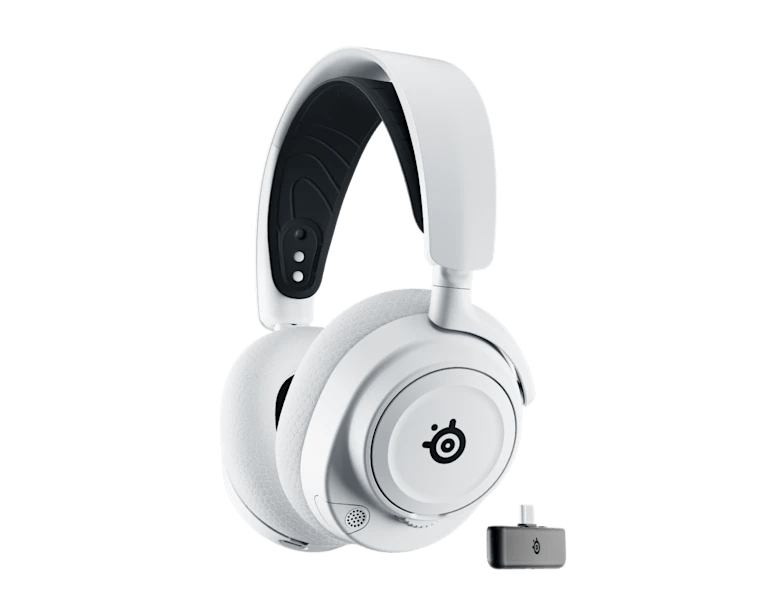
SteelSeries, the original esports brand and makers of the award-winning Arctis audio line, today introduced the Arctis Nova 7 Wireless Gen 2 series of gaming headsets.

The new headsets put “real-time audio control” into the hands of gamers through the innovative Arctis App. This software features precision audio presets specifically tuned for music, entertainment, and over 200 games, allowing users to fine-tune their experience instantly.

In a significant upgrade, the Arctis Nova 7 Gen 2 series also boasts 40% more battery life than the previous generation, ensuring longer, uninterrupted gaming sessions.

Core Features: Versatility and Power

Arctis Nova 7 series; the power of simultaneous audio through 2.4GHz and Bluetooth; power through wireless freedom; and power through versatility.

The Arctis Nova 7 Gen 2 series builds on the award-winning design and heritage of the SteelSeries Arctis franchise and evolves the breakthrough technology that changed the game in sound and audio for next-gen consoles and PC gaming.

Now players can optimize game audio for every system with the new SteelSeries Arctis Nova 7 Wireless Gen 2 for PC, PlayStation, Xbox, and Switch/Switch 2 with the addition of real-time audio control via the Arctis App with presets for the Top-3 games on the planet (Call of Duty, GTA, Fortnite), plus a boosted battery with +40% more juice, makes this master of dual-audio multitasking a “must-have.”

Seamless Multitasking and Immersive Audio Experience with Arctis Nova 7 Wireless Gen 2

Whether it’s chatting on Discord and playing a game on PS5 or Xbox; at the same time, playing Mario Kart World and taking a phone call; at the same time, watching a TikTok video or Instagram Reel while waiting in a lobby for the next game to start; at the same time, or even chatting on Zoom call and watching the World Cup; at the same time, the Arctis Nova 7 Wireless Gen 2’s simultaneous 2.4Hz & Bluetooth dual audio mixing provides the versatility needed for those living a gaming lifestyle.

The Arctis Nova 7 Wireless Gen 2 features 200+ expertly crafted audio preset profiles for immersive gaming, music and entertainment via the Arctis App, an improved 54-hour battery life with optimized fast charging for 6 hours in just 15-minutes, Neodymium Magnetic Speaker Drivers for outstanding spatial audio, and clear communications through a ClearCast Gen 2 microphone.

It distinguishes itself as the ideal option for cross-platform gaming and multitasking due to its flawless compatibility, high-quality design, and robust controls.

Availability and Pricing

Available at SteelSeries.com and retailers around the world, the Arctis Nova Gen 2 series headsets are available in three colorways (black, white, and magenta) for the following MSRPs: Arctis Nova 7P (PlayStation), 7X (Xbox), and 7 Wireless Gen 2 (PC) headsets are each priced at US $199.99.

Pocket Power, Desk Essentials: Anker’s Nano Line Makes Charging Look Easy

From clever charging solutions to portable power banks, Anker continues to deliver practical tools for anyone looking to keep their devices powered and their routines running smoothly.

This collection highlights a range of Anker’s latest releases, each designed to simplify daily life. Whether that means cutting cable clutter, speeding up your charging routine, or making sure your phone never hits zero at the worst possible moment, the Anker Nano line aims to deliver.

Below you’ll find a mix of compact chargers, multi-port stations, and pocket-friendly power banks, all with thoughtful features and a dash of design savvy. If you’re searching for ways to streamline your tech setup or just want to avoid the dreaded low-battery scramble, these picks are worth a closer look.

Anker’s Nano line turns everyday charging into a smarter, sleeker experience, proving big power doesn’t have to come in a bulky package.

Anker Nano Charger (35W, Built-In Retractable USB-C Cable)

The Anker Nano Charger (35W, Built-In Retractable USB-C Cable) ($40) is a welcome sight for anyone who has ever played hide-and-seek with their charging cable or untangled a Gordian knot of wires in their bag. It’s a small device that brings a big sigh of relief, proving that sometimes the best innovations are the ones that simplify our daily tech struggles.

This charger is great for people on the go, such as travelers, busy students, or anyone working between home and the office. It’s lightweight, so you won’t even notice it in your bag, making it a must-have for your daily tech gear. If you’re tired of dealing with a bulky brick and a frustrating cable, get ready for a smoother charging experience where everything just works.

The Nano Charger is a powerful 35W USB-C charger that quickly charges various devices, from Android phones to tablets and small laptops. Its built-in retractable USB-C cable eliminates the hassle of searching for the right cable. It pulls out easily when needed and retracts with a click when you’re done. Anker also includes safety features to protect against over-voltage and short-circuits, ensuring your electronics stay safe.

Anker Nano Charging Station (7-in-1, 100W)

Imagine a single hub that handles your laptop, tablet, phone, and more, all without a spaghetti tangle of cables. The Anker Nano Charging Station ($80) delivers a robust 100W of power, distributed across four versatile USB ports (3X C, 1X A) and three standard AC outlets. This means you can fast-charge a variety of devices, from Android phones to Apple laptops, with ease.

A standout feature is the patented Anker InstaCord, a retractable cable designed for both durability and convenience. It boasts impressive resilience, tested to withstand 18,000 bends and pulls, and its flexible 2.3-foot length adjusts to your needs, then neatly tucks away. No more wrestling with unruly cords!

The integrated 1.3-inch LCD monitor provides real-time feedback on power output and temperature. Anker’s ActiveShield 3.0 safety system monitors temperatures millions of times daily and initiates cooling when necessary, ensuring safe charging. Built-in surge protection adds security for your electronics.

This charging station is perfect for streamlining your setup at home, the office, or on the go, making it a great choice for students and remote workers.

Anker Nano Power Bank (5K, MagGo, Slim)

The Anker Nano Power Bank (5K, MagGo, Slim) ($55) is a boon for users of MagSafe and Qi-enabled devices, meaning it plays nicely with a wide range of smartphones, from the latest Android models to Apple’s offerings. Whether you’re a digital nomad juggling emails on the go, a student rushing between classes, or simply someone who occasionally forgets to plug in their phone before bed (no judgment here, it happens to the best of us!), this slim device is designed with your busy life in mind.

It’s particularly useful for those times when a quick power top-up is needed, but a wall socket is nowhere in sight. Think of it as your phone’s personal pit crew, ready for a fast recharge without the fuss.

What makes the Anker Nano Power Bank stand out in a crowded market? Its 5,000 mAh capacity provides enough power to keep most phones charged throughout the day. The slim and portable design allows it to fit easily into a pocket or small bag, while built-in magnets ensure secure alignment for wireless charging, eliminating cable hassles. An LED indicator shows the remaining charge, so you’re never left guessing. With fast charging and safety features like overcharge protection, it’s a smart way to keep your devices running smoothly, providing a reliable energy reserve for your phone.

Anker Nano Charger (130W, 6 Ports)

The Anker Nano Charger (130W, 6 Ports) ($60) packs a serious punch with its 130W total output, distributed across six ports. This means you can power up multiple devices simultaneously, from your Android phone and tablet to your laptop and even an iPhone. It’s a dream for anyone juggling a collection of gadgets, making sure everything stays charged without a frantic search for available outlets.

The inclusion of GaN (Gallium Nitride) technology means this charger is not only powerful but also remarkably efficient, staying cool even when working hard. Its fast charging capabilities mean less waiting and more doing, a welcome feature for busy individuals who appreciate getting back to their tasks quickly.

Its lightweight design makes it perfect for travelers and those with tidy workspaces. Say goodbye to bulky power strips and multiple adapters taking up space. The Nano Charger combines all your charging needs into one compact package, saving you valuable room.

This charger is ideal for hybrid workers, students, or anyone with many devices who values efficiency. It’s a small device that significantly helps keep your digital life organized.

Anker Nano Power Bank (10K, 45W, Built-In Retractable USB-C Cable)

The Nano Power Bank (10K, 45W, Built-In Retractable USB-C Cable) ($60) packs a punch for those on the go, making sure your devices keep pace with your day.

Ever picture yourself never having to hunt for a charging cable again? The Nano Power Bank comes with its own retractable USB-C cable built right in, saving you from cable clutter and the dreaded “did I pack my charger?” panic. This clever integration means one less thing to remember, making it a true grab-and-go power solution.

With a strong 10,000 mAh capacity, this handy device can recharge smartphones multiple times or power larger devices. Its 45W USB-C output charges laptops and tablets quickly, making it ideal for busy professionals and students. The portable Nano Power Bank fits easily into bags or pockets, equipped with an LED indicator for charge level and several safety features for efficient charging. It’s a smart choice for reliable power on the go.

Anker Nano Charger (70W, 3 Ports)

The Nano Charger (70W, 3 Ports) ($50) delivers a substantial 70W of total power, intelligently distributed across its three ports: one USB-C and two USB-A. This means you can simultaneously charge a power-hungry laptop, a smartphone, and even a tablet, all at speeds that will make you wonder how you ever managed with slower alternatives.

Say goodbye to the frantic search for an available wall socket or the dreaded “charger shuffle” where you unplug one device to charge another. Its remarkably compact design means it disappears into any bag or pocket, making it a perfect travel companion that won’t weigh you down.

Beyond its raw power, Anker has equipped the Nano Charger with robust protections. It guards against over-voltage, over-current, and short-circuits, ensuring your valuable electronics are safe while they juice up. A subtle LED indicator provides a quick visual cue that everything is working as it should. Built with high-quality materials, this charger is ready for the demands of daily life, proving that good things really do come in small packages.

Hyper Launches HyperSpace Trackpad Pro: First Premium Haptic Trackpad for Windows

0

Hyper has launched the HyperSpace Trackpad Pro on Kickstarter. This advanced trackpad for Windows users offers piezo haptics, force sensing, and personalized experiences for enhanced productivity. It transforms how users interact with their productivity and creative apps.

Market Need and Product Solution

Gabi Iorio, Director of Global Marketing and Sales at Hyper, highlights that 70 percent of desktops and laptops use Windows. He introduces the HyperSpace Trackpad Pro, designed for precision, responsiveness, and software integration, offering users a superior trackpad experience.

“With approximately 70 percent of desktops and laptops running Windows, users have long-awaited a premium external trackpad that delivers the exceptional precision and haptic experience they need in a trackpad,” said Gabi Iorio, Director of Global Marketing and Sales, Hyper.

“With its unparalleled accuracy, customizable responsiveness, and deep software integration, our new HyperSpace Trackpad Pro gives Windows users an unmatched trackpad solution,” he added.

Engineered for Precision and Personalization

The HyperSpace Trackpad Pro delivers unprecedented precision with its blazing-fast 240Hz response rate, eliminating the latency issues that plague traditional trackpads. Every gesture translates instantly to the screen, enabling pixel-perfect accuracy for video editing, design work, and multitasking.

Third-generation piezo haptic technology provides consistent, satisfying click feedback across its entire glass surface. Unlike mechanical switches with dead zones, every millimeter responds with uniform tactile precision. The integrated full-force sensing matrix recognizes pressure variations, enabling deeper interactions and customizable click profiles from soft to firm feedback.

Hydra Connect software for Microsoft Windows sets the Trackpad Pro apart from other trackpads by enabling users to create deep-click zones, corner shortcuts, and app-specific profiles that automatically switch based on the active application.

Pre-loaded with profiles for popular applications including Adobe Premiere Pro, Illustrator and Photoshop, Microsoft Office, and Figma, the Trackpad Pro works immediately out of the box. The Hydra Widget provides instant profile switching and workflow visualization.

While purpose-built for Microsoft Windows with full multi-touch gesture support, it offers versatile compatibility with macOS for basic navigation and clicking functionality.

Features

  • Experience precision and control with a trackpad that offers zero latency and a 240Hz report rate for smooth performance.
  • Customize click sensitivity and pressure for consistent feedback during detailed tasks.
  • The trackpad prevents unwanted cursor movement by detecting palms, ensuring a distraction-free workflow.
  • Enjoy responsive clicks across the surface with embedded haptic feedback.
  • Designed for Windows, it supports multi-touch gestures like pinch-to-zoom and two-finger scrolling, along with customizable shortcuts to enhance user workflow.

Availability and Pricing

HyperSpace Trackpad Pro (HS2510GL) will be available through Hyper’s Kickstarter campaign starting today with early bird pricing at $90 an estimated arrival in Q1 2026. Following the campaign conclusion, it will be sold throughout the US, Europe, and other key global regions for $149.99 SRP.

Mobile Slot Game Technology Trends for Android Users

0

Mobile slot games for Android users aren’t just about spinning reels anymore—well, unless you count nostalgia. These days, developers seem to be leaning towards building out more layered environments, maybe pushing cross-device play a little harder, and experimenting with clever ways to make the experience feel custom-fit. With technologies like HTML5, AI, bits of VR, and—well, it feels like everybody is waiting for 5G to work its full magic—the results are starting to look and, honestly, behave differently. According to GammaStack, over 65% of new slot titles in 2025 are launched exclusively for mobile platforms, reflecting a mobile-first strategy across the industry. It’s not only about the bells and whistles, either. Add some live dealers, a bit of gamification, a touch of social integration, and suddenly Android slots aren’t so solitary. More folks expect seamless social features, unexpected plotlines (if you can call them that), and just—speed, stability, convenience, all pocket-sized. The landscape for online slot fans, it appears, has shifted quite a bit—not sure if anyone expected it to move this quickly.

HTML5 and cross-platform compatibility redefine mobile access

These days, HTML5 is at the heart of almost every fresh slot game for Android coming out in 2025. That broad web standard gives developers the flexibility to craft games that, from what I’ve seen, run just about anywhere. A separate app isn’t usually necessary anymore. Games pop open almost instantly in whichever mobile browser you’re using—nobody’s waiting around for endless downloads or fighting for space on their phone. 

According to Whimsy Games, HTML5 adoption has reduced technical barriers and broadened reach for online slots, unlocking access for millions of devices globally. Visuals don’t take much of a hit whether you’ve got a tiny screen or a tablet, which is maybe underappreciated. Plus, the cross-platform approach helps updates and fresh features show up everywhere at once—so, less splitting of the user base. A lot of these HTML5-driven games now come filled with crisp animations, bite-sized mini-games, and interactive bonus bits that make the old one-button routine feel, well, sort of quaint by comparison.

AI, personalization, and smart slot mechanics dominate development

If you’ve dabbled with newer mobile slot apps, you might notice AI quietly running the show behind the scenes. By piecing together information about what you like, how long you play, and—well, sometimes, the games you ignore perennially—these systems can surface pretty specific game picks and time those bonus offers so they feel almost uncanny. Android users logging in see curated lists and cleverly timed incentives; not everyone notices how tailored it’s become until comparing notes with a friend. According to GammaStack and OpenForge, AI-driven mechanics also adjust difficulty curves and reward structures in real time. This apparently makes things a bit more dynamic, maybe even nudges frequent players to keep coming back. Security features are evolving, too—AI is said to flag odd betting trends or suspicious habits without being intrusive. Then there are betting helpers that nudge you with hints if things get too wild and pop up reminders if your play stretches too far. For Android users craving both variety and reliability, this level of personalization is, slowly but surely, becoming more common among top titles, although some users might prefer less intervention—it’s not one-size-fits-all.

VR, AR, and immersion change expectations for Android slot gaming

Virtual Reality and Augmented Reality, once rare novelties, are sort of inching their way onto Android. As devices improve, it’s becoming more likely you’ll see a VR slot running in-browser or through a tiny download—no clunky headset required unless you want one, apparently. VR slots can pull you into these pseudo-casinos: 3D environments where you don’t just spin, you hang out and, maybe, even wander a little. AR takes it further, sort of leaking those casino visuals onto your coffee table or couch (not for everyone, but it’s a trip the first time you try it). Real-time chat and dealer interaction are popping up, which tries to channel that busy casino vibe right through your phone screen. 

According to reports from Slotegrator and GammaStack, VR and AR slot integration will reach nearly 20% adoption among new game releases by 2025. The implementation of these features tends to shift based on personal settings, your phone model, or just what you’re comfortable with—you won’t necessarily get the same bells and whistles across every device. Android’s wide device spread does mean that most players, high- or low-budget, can access the essentials, even if the fanciest features sometimes require a newer model.

5G connectivity, live gaming, and the mobile-first approach

The introduction of 5G? It might just be, for many, the single biggest jump in how fast and interactive slot games feel on Android. Connections are, in most cases, strong enough now to handle nicer graphics and more real-time interaction—think live tournaments, leaderboards that actually update as you play, stuff that used to lag on 4G. Load times can almost vanish; sometimes it feels like you’re not even waiting between screens at all. According to OpenForge, over 70% of Android slot game sessions in late 2024 used 5G, marking a sharp shift in mobile gaming standards

Not everything is about raw speed, though. The mobile-first focus these days means controls have shifted—swiping and tapping feels way less awkward, some folks play with one hand and barely notice. Notifications quietly appear, but don’t usually hijack your focus (unless you want them to). Gamification—badges, progress trackers, that sort of thing—are starting to show up right on the lock screen so there’s less friction keeping up with the latest challenge. That solitary, slot-at-the-bus-stop experience is slowly being replaced by social features: share your wins, take on friends, hop into tournaments. Slot play on Android could, depending who you ask, be getting closer to a group activity than you’d think.

Responsible gambling remains essential

For all the tech upgrades and glossier gameplay, the pressure to keep things healthy is noticeable. Most newer Android slots have built-in timers, deposit limits you can set, and the odd pop-up that reminds you to take a moment. AI is even used here—flagging if your patterns suggest you’re pushing it, dropping links or tips when needed. Regulators, of course, don’t let up on their messaging: treat slots as entertainment, not some kind of steady bankroll. 

Breaks matter, and so do personal boundaries—though how much people actually use these features probably varies. As games edge ever closer to feeling “real,” it feels all the more important to know when it’s time to take a step back. Those support tools? Android users are encouraged to use them, but, as always, it’s a balancing act.

EDITOR NOTE: This is a promoted post and should not be considered an editorial endorsement

Woojer Series 4 Haptic Vest and Strap Launch: Immersive Gaming & Music

0

Woojer, the world’s leading wearable haptic technology brand, has announced the launch of the highly anticipated Series 4 Vest and Strap, the next evolution of its groundbreaking wearable haptic technology.

Building on the success of the third-generation lineup, the new releases deliver more precision, power, and immersion while introducing significant improvements in comfort, design, and accessibility.

Kfir Bar-Levav, CEO of Woojer revealed that his team kept everything that made Gen 3 amazing, pushed the limits further, re-imagining every aspect of the devices. Unlike traditional audio gear, Woojer’s devices add a tactile dimension to entertainment by syncing vibrotactile sensations with sound effects and music.

Explosions in a video game, bass lines in a favorite track, or the rumble of a film soundtrack become a physical experience, deepening realism and emotional impact. With the Series 4 launch, Woojer delivers stronger performance and improved comfort while lowering prices, making premium haptic technology more widely accessible.

The Vest: Enhanced Features and Design

The Vest introduces next-level precision for sharper, more accurate sensations, an extended battery life of up to 10 hours, and enhanced wireless connectivity for smoother performance. The new design is lighter, slimmer, and more flexible, with ergonomic improvements that support sizes S through 3XL.

A sleeker, sportier look now integrates Woojer’s signature LED circle into the control unit, customizable through the Woojer app. The Vest 4 is available in two editions: the Core Black model priced at $349 (down from $499 for the previous generation) and the White Made for Meta edition at $369.

The Strap: Redesign and New Customization

The Strap also receives a full redesign. It delivers sharper haptic feedback for gaming, music, and VR, offers up to 10 hours of use on a single charge, and features advanced wireless performance. A new customization system allows skins and style sets to be swapped with ease, offering a more personalized experience.

The Strap 4 Core Black launches at $129 (down from $179), with additional special Call of Duty and Fortnite editions priced at $149 (compared to $199 previously).

Woojer’s Global Impact and Mission

Woojer’s products have already reached hundreds of thousands of users worldwide, becoming a favorite among gamers, music lovers, and VR enthusiasts. The Series 4 release continues the company’s mission to make high-quality haptic technology accessible to more people, including members of the hard-of-hearing community who benefit from its precise vibrotactile audio translation.

With its expanding international footprint and acclaim for creativity, Woojer is established as the front-runner in immersive entertainment technology. The introduction of Series 4 signifies another advancement in defining the future of sound experiences.

Availability and Pricing

The Woojer series 4 product line is available to purchase on Woojer’s official website and in major retail outlets, including Best Buy, Costco, Sam’s Club, and other select stores starting at RRP $349 (Vest) and RRP $129 (Strap). Special themed limited editions such as Fortnite and CallofDuty, and MadeForMeta are also available for an additional cost.