Home Blog Page 36

How Android Opens New Doors for CS:GO Skin Fans

0

For Android users who love gaming and esports, the world of CS:GO skins offers more than just visual upgrades. The rise of interactive platforms lets players engage with their favorite in-game items in new ways, creating a unique blend of entertainment and strategy. As Android devices continue to dominate mobile gaming, understanding how these platforms work, and how to access them safely, is more important than ever for fans who want to make the most of their mobile experience. For readers who want a concrete example of how these systems work in practice, cs go skin gambling roulette shows the mechanics in a clear, practical way.

How Mobile Devices Connect CS:GO Fans

Android phones have become essential for gamers who want to stay connected to their favorite titles. With powerful hardware and easy access to gaming apps, Android users can now interact with CS:GO skins wherever they go. Platforms designed for mobile use offer smooth interfaces, letting fans browse, trade, and explore in-game items with a few taps. For many, this mobile convenience brings a new level of engagement and excitement to the CS:GO community.

The Appeal of Interactive Skin Platforms

One feature that draws attention is the cs go skin gambling roulette experience, which adds an extra layer of interaction to in-game items. These platforms often use a roulette-style system, where players can test their luck with their skins. The thrill comes from the chance to win new items or upgrade existing ones, all within a familiar and easy-to-use mobile environment. This added interaction keeps the CS:GO experience fresh and engaging for Android users.

Many of these platforms are designed with the mobile user in mind. The simple interfaces and touch controls make it easy for players to participate in activities and explore their options. For those who enjoy the excitement of trying something new, these apps offer a way to experience the anticipation and suspense of seeing where the wheel lands, all from the palm of their hand. The ability to access these features anywhere, at any time, has made this type of engagement especially appealing to Android users who value flexibility and instant access.

Staying Safe While Exploring New Features

Safety is a top concern for Android gamers exploring skin-related platforms. It is important to choose reputable apps and websites that protect user data and offer transparent systems. Android users should always check for secure connections, read reviews, and avoid sharing sensitive information. By staying alert and informed, gamers can enjoy new features without putting their devices or personal details at risk.

Android users should also make sure that their devices have up-to-date security software and use unique, strong passwords for each app or site. Many trustworthy platforms now provide two-factor authentication, adding another layer of protection. Taking these simple steps can help prevent unauthorized access and keep user accounts secure. Being cautious about which permissions are granted to apps is another important practice, as it limits the risk of data misuse.

Trends in Android Gaming Apps for CS:GO Fans

The Android gaming landscape evolves quickly, and CS:GO fans now have more options than ever. New apps focus on user-friendly interfaces, instant notifications, and seamless integration with other gaming platforms. These features help players stay updated on the latest skin releases and special events. As developers continue to innovate, fans can expect even more ways to interact with their favorite CS:GO content on their phones.

Some apps now offer customization options, allowing users to personalize their experience based on their preferences. Push notifications keep fans informed about new opportunities, limited-time offers, or updates about their favorite skins. Integration with social media makes it easy to share achievements and connect with friends. These trends show that the focus is on making the experience as engaging and convenient as possible for Android users.

Building Community Through Mobile Play

Mobile platforms do more than provide access to skins; they also help build strong gaming communities. Many apps include chat features, forums, or leaderboards, making it easy for Android users to connect with others who share their passion for CS:GO. These social elements encourage friendly competition, teamwork, and the sharing of tips and strategies, all from the convenience of a mobile device.

Community features often extend beyond simple messaging. Some platforms support group challenges, tournaments, or collaborative events, giving players more ways to interact and compete. This sense of belonging and shared experience helps keep users engaged and can make the process of collecting or trading skins even more rewarding. For many, the friendships and rivalries formed through these apps become an important part of their gaming life.

Responsible Use of In-Game Items

While the excitement of interacting with skins is clear, Android users should approach these platforms with care. Setting limits, understanding the value of in-game items, and keeping track of time spent in apps are all smart habits. Responsible use ensures that the experience remains enjoyable and does not interfere with other aspects of life. By treating in-game items as entertainment, players can maintain a healthy balance.

It is also wise to keep track of spending and avoid making impulsive decisions. Many platforms provide tools to help users monitor their activity and set boundaries. Parents may want to review the settings and features available to younger gamers, ensuring that they use these platforms in a safe and balanced way. Responsible engagement supports long-term enjoyment and helps prevent negative outcomes.

How to Choose the Right Platform

With so many apps and sites available, picking a trustworthy platform is key. Android users should look for clear user agreements, positive community feedback, and support from experienced developers. Checking for official partnerships or endorsements can also help. Taking the time to research options ensures a safer and more enjoyable experience when exploring new ways to interact with CS:GO skins.

Reading detailed reviews and checking for active customer support can provide extra peace of mind. Platforms that are open about their policies and have a history of fair play are often the best choices. Users should also be wary of platforms that make unrealistic promises or require unnecessary permissions. By prioritizing transparency and reliability, Android fans can enjoy new features with greater confidence.

Exploring New Possibilities for Mobile Skin Engagement

As Android devices become even more powerful, the ways fans interact with CS:GO skins will continue to grow. From richer app features to stronger community connections, the future holds many possibilities for mobile engagement. By staying informed and prioritizing safety, Android gamers can look forward to new and exciting ways to enjoy their favorite in-game items wherever they are.

The ongoing development of mobile technology means that experiences will become more immersive and interactive. Features such as augmented reality previews, advanced trading options, and real-time events may soon become standard. For CS:GO fans, keeping up with these changes can make the mobile experience even more rewarding and enjoyable.

EDITOR NOTE: This is a promoted post and should not be considered an editorial endorsement. AndroidGuys received compensation for the aforementioned content.

Please exercise caution when using a gambling or betting service which employs real money.

If you reside in a location where gambling, sports betting or betting over the internet or through an is illegal, please do not click on anything related to these activities within this post. You must be of proper legal age to click on any betting or gambling related items even if it is legal to do so in your country.

Is Android or Apple The Best Mobile OS for Gaming?

0

Mobile gaming has exploded in popularity over the last decade or so. As smartphones become faster, more intuitive, and cheaper, that market has continued to grow and expand. A major part of all that growth has stemmed from greater accessibility. As smartphones become more affordable and lower-end models keep improving their offerings, this has enabled more and more people to access and play quality games. 

However, as mobile games become more widespread, the age-old debate over whether Apple or Android are better for mobile gaming continues to rage on. Given how much both these operators have advanced over the years, this isn’t an easy debate to settle. This is how we feel they line up against each on the mobile gaming front, according to some key considerations. 

The Type of Gaming and the Model Matters 

One of the biggest leaps in mobile gaming has been how advanced the graphics and gameplay has gotten. These days, you can play world-famous titles, vast open-world RPGs, and multiplayer games that offer graphics-rich and super immersive experiences. Add in modern smartphone features like 4k displays that often come standard now and these experiences only become beautifully detailed and fun to play. 

However, the type of game you play and the model of phone you’re using matters too. For example, if you’re playing an MMORPG, the more detailed the graphics, the better the phone model should be to ensure a smooth experience. In contrast, other popular gaming types mobile casino real money games tend to require less powerful models. For games like these, modern online casinos optimize their games for mobile play. That means these games can still have amazing graphics and sophisticated gameplay but will generally not require high-end models to enjoy. With mobile casinos now integrating modern payment systems that provide faster payments and wider gaming libraries, they are surprisingly versatile and work just fine across a broad range of models. 

What all this means for the Apple vs. Android debate is that, in a general sense, either can be used and will likely both perform with only negligible differences so long as appropriate models are used for appropriate games. For example, if you use a Samsung Galaxy S25 Ultra, you can basically play any mobile game out there with ease. Such is the power and the incredible performance levels flagship models like this are capable of that they can pretty much give you a flawless performance, regardless of the game being played. 

The same is true for the iPhone 17 Pro Max. If you have a model like it or anything close to it, it doesn’t matter what mobile game you play, you’re still gonna have an amazing experience so long as you have a good connection to go with it. However, on the opposite end of the spectrum (think Samsung A03 Core or an older iPhone model like an SE from 2020), then the game itself matters. These phones cater to power performances and tend to have smaller memories, making them more suitable for smaller, less advanced, and less detailed games in terms of graphics. 

Apart from all these variables, which pretty much make phone operators essentially the same, there are added considerations. The key one is accessibility of titles. This matters, because Apple and Android vary quite a bit when it comes to the app stores they use and the rules that regulate them. 

App Store Accessibility to Mobile Games

Apple maintains tight control over the App Store, which creates a curated environment with predictable performance. Developers know that each iPhone runs the same software structure, so games often launch with fewer bugs. Apple Arcade adds another layer by giving subscribers access to a wide catalog of high-quality titles without ads. This structure appeals to players who want reliable performance and polished experiences.

Android supports a much wider range of devices and provides more freedom to developers. This leads to a larger and more varied game library. Players can find experimental titles, independent projects and games from many different sources. There are third-party stores, side-loaded options and mainstream choices within the Google Play ecosystem. Variety is a major draw, although performance differs from device to device. Some phones run the latest releases smoothly, while others may struggle. 

Hardware Power and Performance

Apple designs its chips to work directly with its operating system. This close connection produces strong results in real-time graphics, fast load times and consistent frame rates. The A-series processors handle demanding games well. Thermal control is usually stable, which helps during long play sessions. Many players choose iPhones for this exact reason. They want a device that delivers the same level of performance every time.

Android devices vary widely. High-end models from companies like Samsung, Google, and other manufacturers use powerful processors that match or exceed iPhone performance in certain situations. Some devices are built specifically for gaming. These models include features like high-refresh screens, customizable performance modes and advanced cooling systems. Competitive players often enjoy these tools because they can adjust settings based on their game of choice. Mid-range Android phones present a different story. They offer good performance for casual games, yet they may struggle with demanding titles. 

Battery, Stability, and Long-Term Support

Battery life is important for mobile gaming. Apple devices manage power well through tight coordination between hardware and software. Games often maintain stable performance while balancing battery drain. The system uses smart power distribution to help avoid sudden drops in performance. Players who enjoy long sessions often appreciate this consistency.

Android battery life varies with the device. Some phones contain large batteries and charge at very fast speeds. These features help players who game throughout the day. High-end Android devices use advanced cooling systems that keep performance high and reduce battery strain. Mid-range models may drain faster when running heavy titles. 

Long-term support affects the value of a gaming device. Apple provides several years of updates. Many older iPhones still run new games smoothly, which helps players stretch the life of their devices. This stability supports long-term gaming habits.

Android support depends on the manufacturer. Brands like Google and Samsung offer multi-year updates, yet smaller brands may have shorter timelines. This can influence how long a device remains useful for high-performance gaming. 

Apple and Android are the two largest mobile operators in the world for a reason. Both feature a range of incredible choices. Depending on the model, either can provide an amazing and immersive gaming experience. Ultimately, the choice between Android and Apple for mobile gaming depends on what each player wants from a gaming device.

EDITOR NOTE: This is a promoted post and should not be considered an editorial endorsement. AndroidGuys received compensation for the aforementioned content.

Please exercise caution when using a gambling or betting service which employs real money.

If you reside in a location where gambling, sports betting or betting over the internet or through an is illegal, please do not click on anything related to these activities within this post. You must be of proper legal age to click on any betting or gambling related items even if it is legal to do so in your country.

Android Introduces Emergency Live Video for Faster, Clearer Response

0

Google is adding a new tool to its Android safety portfolio with the debut of Emergency Live Video, a feature designed to help dispatchers see what callers are experiencing in real time. The addition gives first responders a clearer window into unfolding emergencies, whether someone is dealing with a traffic accident, a medical issue or an environmental threat like a fast-moving fire. The aim is simple: give responders more context so they can act faster and guide callers with better accuracy.

How the Feature Works

Emergency Live Video activates only when a dispatcher requests it during an emergency call or text. If they determine that a live visual would help, the caller receives a prompt on their Android phone with the option to start sharing video with a single tap. The stream comes directly from the device’s camera and reaches the dispatcher securely.

Three smartphone screens displaying the Emergency Live Video feature: the first screen shows an emergency call interface with an option to share live video, the second highlights emergency contact information, and the third displays a video feed of a fallen tree blocking a road.

The setup requires no advance configuration. The exchange is encrypted, and callers remain fully in control. They can decline the request or stop the stream instantly. Google frames the experience as situational and caller-driven rather than something that turns on by default. For scenarios where responders need immediate visual clarity — such as confirming injuries, identifying hazards or coaching CPR — the feature offers a quick, low-friction bridge between the caller and dispatch.

Built on Android’s Existing Safety Framework

Emergency Live Video extends Google’s broader set of emergency-focused features on Android. Those tools already include Emergency Location Service, Car Crash Detection, Fall Detection and Satellite SOS, all focused on helping users get timely assistance when they need it most. The new capability adds a richer layer of detail by giving responders more than audio alone.

Availability and Device Support

Google is rolling out Emergency Live Video starting today across the United States, along with select regions of Germany and Mexico. The feature works on Android phones running Android 8 or later with Google Play services installed. Expansion to additional regions is in progress, with Google coordinating directly with public safety organizations to bring the capability to more communities.

Partner Information

Google is inviting public safety organizations interested in supporting Emergency Live Video to review its partner documentation for technical and operational details. More information can be found through Google’s official partner resources.

Google Brings New AI Tricks and Gesture Controls to Pixel Watch 4

0

Google is rolling out a fresh batch of Pixel Watch upgrades, headlined by new one-handed gestures for the Pixel Watch 4 and an upgraded Smart Reply experience for both Pixel Watch 3 and Pixel Watch 4. The update arrives as part of the Wear OS 6.1 release, which begins its phased rollout today through the Google Play Store.

New One-Handed Gestures for Pixel Watch 4

The Pixel Watch 4 picks up two new ways to interact with the watch without touching the screen: Double pinch and Wrist turn. These gestures build on Raise to Talk, the earlier hands-free option that allowed users to speak with Gemini by simply lifting the watch.

Double pinch lets the user tap their thumb and index finger together twice to navigate a variety of actions. Google says this ranges from scrolling through notifications to sending a Smart Reply, operating timers and stopwatches, snoozing alarms, pausing music, and even snapping a photo. Support for answering and ending calls from the same gesture is slated to arrive soon. Helpful on-screen hints appear when the gesture is available, easing the learning curve for those trying it for the first time.

Wrist turn focuses on quick interruptions. Turning the wrist away and back again can silence an incoming call or dismiss an alerting notification, which is handy when the user’s other hand is tied up with coffee, a bag, or a particularly stubborn dog leash.

Both gestures are enabled by default after installing the update. Tutorials for Raise to Talk are also now baked into the watch to help users get acquainted with the feature at their own pace.

Enhanced Smart Replies Powered by an On-Device Model

Pixel Watch 3 and Pixel Watch 4 users gain a refreshed Smart Reply engine built on Google’s Gemma-derived on-device language model. This approach allows smart responses to be generated directly on the watch, even when it isn’t paired to a phone.

Google reports meaningful efficiency improvements: replies render twice as fast and use nearly three times less memory than the previous system. The upgrade initially targets Google Messages, but the company indicates that more apps will benefit from this enhanced model over time. It gives the watch more autonomy during workouts, errands, and winter-weather moments that make reaching for a phone or typing on a small screen less appealing.

Wear OS 6.1 Rollout and Supported Devices

The December 2025 software update (version BP4A.251205.005.W7) begins rolling out today for the following models:

  • Pixel Watch 2
  • Pixel Watch 3
  • Pixel Watch 4

Distribution will continue in phases depending on carrier and device. A notification will appear on the watch once the update is ready to download. Security patch details are available in the Pixel Watch Security Bulletin.

More Information

Google’s community post outlines the new features in greater detail, and additional help resources are available through the Pixel Watch Help Center.

Fairphone Unveils New Fairbuds XL: Modular, Repairable Headphones Built to Last

0

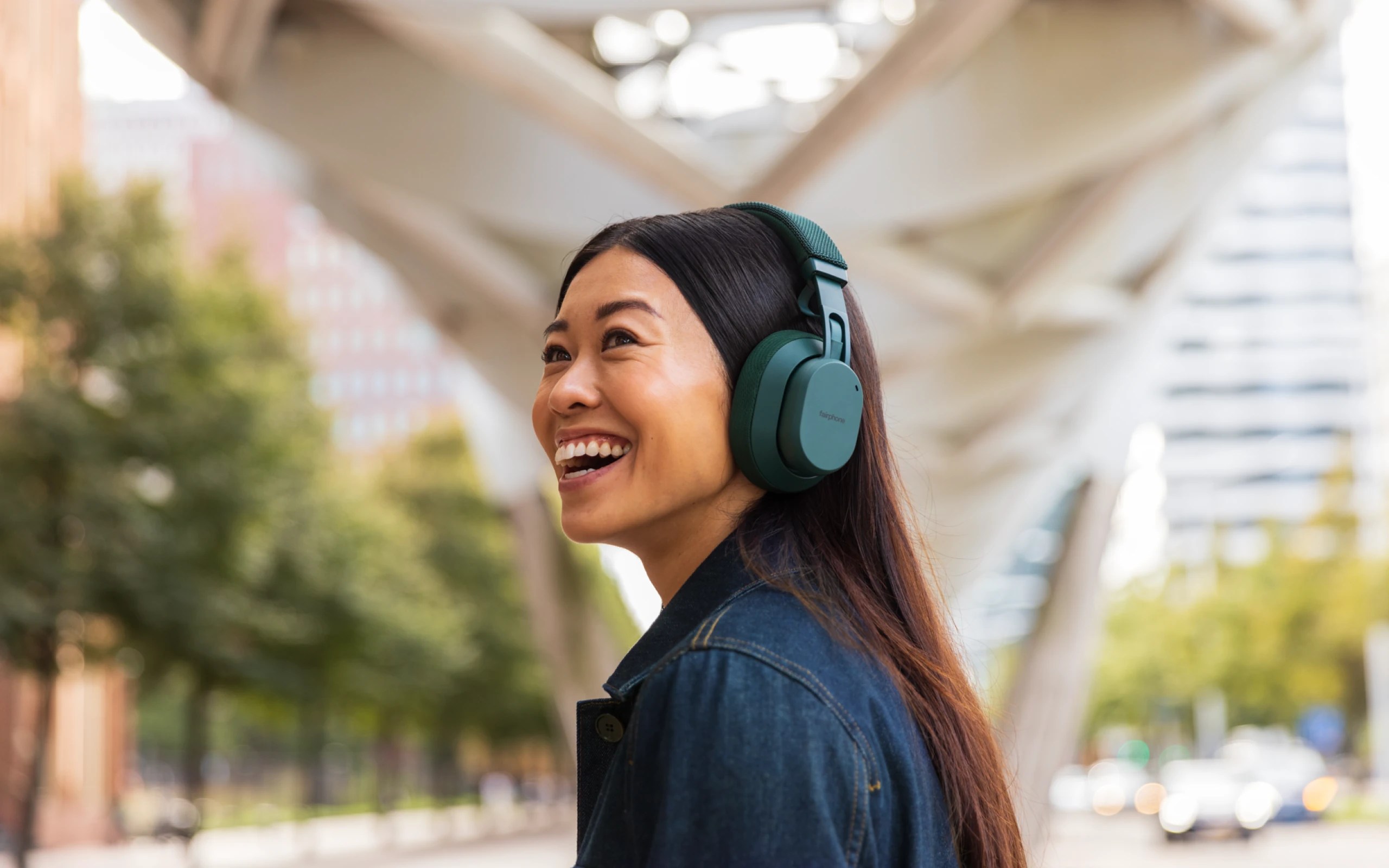
Fairphone, the globally recognized leader in sustainable and modular electronics has announced the launch of the Fairbuds XL, the next evolution of its award-winning modular and self-repairable over-ear headphones.

The new model delivers richer sound, greater comfort, and significantly improved sustainability, positioning it as a direct challenge to the electronics industry’s “throwaway” culture.

The company emphasized that the Fairbuds XL features nine replaceable parts, including the battery, cushions, and headband. They are the only consumer headphones to receive LONGTIME certification, an independent label recognizing products built for durability and repairability.

Performance Meets Responsibility

Chandler Hatton, Chief Technology Officer at Fairphone, underscored the company’s design philosophy.

“With the new Fairbuds XL, we set out to build something truly worth keeping. Every improvement we made had to enhance both performance and responsibility,” said Hatton.

“So you get richer sound, a more comfortable fit, and a design you can open, repair, and continue using long after most products are replaced… This is what technology looks like when modularity, longevity and caring for people and the planet is at the core of the design from the very start.”

Re-engineered for Better Listening

The new Fairbuds XL features 40-millimeter dynamic drivers and refined audio tuning, promising a more natural and detailed listening experience. Key feature enhancements include:

  • Materials: The updated design features a breathable net fabric on the new headband and soft birdseye mesh on the ear cushions for enhanced comfort during long listening sessions.
  • Audio Quality: They continue to support aptX HD for high-resolution audio over Bluetooth and dual point connectivity for effortless device switching.
  • Battery Life: An impressive battery life of up to 30 hours of continuous listening.
  • Durability: An IP54 water and dust resistance rating ensures everyday reliability, backed by up to a three-year warranty.
  • Style: The headphones are available in two new colors, Forest Green and Horizon Black, reflecting Fairphone’s contemporary design language.

For current Fairbuds XL owners, Fairphone is offering a unique modular upgrade path: the new drivers can be easily slotted into existing units, providing the latest audio improvements without requiring the purchase of a new device.

Sustainability and Ethical Sourcing

The new Fairbuds XL maintains Fairphone’s leadership in ethical sourcing, composed of ~50 percent fair and recycled materials by total weight. Highlights include:

100 percent recycled rare earth materials in speaker magnets.

Over 90 percent recycled aluminum and 80 percent recycled plastics.

Fair mined copper, cobalt, and silver (via credits).

Furthermore, the headphones are assembled in a factory using solar energy and are 100 percent e-waste neutral, ensuring an equivalent amount of waste is responsibly collected and recycled for every pair sold.

In a commitment to fair labor, the final assembly factory participates in the Living Wage Bonus program, with Fairphone paying the gap between minimum wage and a decent living wage for workers.

Consumer Demand for Durability

Fairphone’s launch is supported by independent research that highlights consumer frustration with current audio products. A September 2025 survey by Blauw Research in the US, France, and Germany found:

78% of respondents say devices cannot be repaired when they break.

70% say battery life is too short.

66% say products wear out faster than expected.

Consumers expect to replace headphones every 3.8 years, primarily due to anticipated battery failure. Fairphone aims to address these concerns by offering products that can be repaired, upgraded, and enjoyed for many years.

Availability and Pricing

The new Fairbuds XL is available from Fairphone’s website and selected partners in Europe, in the US via Amazon. The recommended retail prices are £219 (UK) and $229 (US).

4Patriots Launches 2200X, Completes Solar Generator Lineup

0

4Patriots continues to cement its reputation as the solar power generator leader with the launch of its most powerful and efficient solar power station ever. The firm is known for providing backup power to almost 350,000 American households for protection against extreme weather, natural disasters, and blackouts.

It’s latest Patriot Power Solar Generator 2200 & Solar Panel is sixth and most powerful generator in the 4Patriots solar power lineup. The product, at a lighter weight and smaller price point, is adept at delivering longer run times, faster recharging, and more lifestyles than previous 4Patriots and competitor generators.

The top-of-the-line 2200X replaces the Patriot Power 2500X with a lighter, more-efficient and less-expensive model that has been designed as a whole-room backup power solution for outages caused by winter freezes, hurricanes, natural disasters and other unexpected events. Like all other 4Patriots solar generators, it is fume-free, silent and safe to use indoors.

The 2200X boasts 29 percent more battery capacity to run appliances longer and triple the expansion capability, from a most-ever 2,240 Wh to a staggering 6,720 Wh. Thus, users can cycle their full-size refrigerator for 75 hours — more than three continuous days — on a single charge without expansion.

Addressing Winter Power Grid Risks

According to 4Patriots co-founder Allen Baler, “As cold weather rolls in and tests power grids, the risk of a single storm leaving millions in the dark for days is very real. That’s why we launched our best-ever solar generator this season—it’s the most powerful and efficient model we’ve built, while still being lighter and more portable.”

Fast Charging and Enhanced Features

While the 2200X can be powered for free by the sun, it can be fully recharged in less than 2 hours using the 25-foot electrical cord or even “rapid recharged” to 80 percent of capacity in about an hour.

The generator offers a most-ever 4,000 life-cycles, equivalent to 11 years of daily use, and pass-through technology that allows it to turn-on automatically during a blackout. 

And despite the expanded features, including 10 separate power outlets and a next-gen 200-watt solar panel, the 2200X comes in 12 percent lighter than its predecessor, at just 56 pounds.

Baler comments further that the 2200X is the biggest solar power breakthrough in in the company’s 17-year history.

4Patriots Solar Power Lineup: A Backup Power Solution for Every Need

According to Baler, the 2200X now occupies the top spot in 4Patriots’ six-model solar generator hierarchy designed to meet Americans’ every conceivable backup power need. These five other models include the following:

  • Patriot Power Cell-CX Portable Solar Power Bank: 4Patriots’ bestselling pocket-sized power plant uses the sun to charge three cell phones or other handheld devices at once. Also equipped with a bright flashlight and SOS flasher. It is designed for up to three cell phones and handful devices for shorter periods.
  • Patriot Power Voyager XL Solar Power Bank The ultimate portable solar power bank for travel and off-grid adventures that can charge five devices at once in a compact, TSA-approved design the size of a Bible. It is designed for up to five cell phones and handheld devices for extended periods; largest portable battery pack allowed by TSA as an inflight carry-on.
  • Patriot Power Sidekick Solar Generator & Solar Panel: 4Patriots’ revolutionary countertop solar generator weights just 8 pounds but offers nine outlets for powering power phones, laptops, lights, power tools and a mini-fridge. This is designed for Laptops, lights, fans, power tools and mini-fridges.
  • Patriot Power Solar Generator 1200 & Solar Panel: The company’s flagship 28-pound mid-size generator was recently re-engineered to offer longer run times and faster recharging at a price that is $1,000 less than comparable models. It works with all major appliances including a refrigerator.
  • Patriot Power Solar Generator AlphaCase Elite & Solar Panel This sleek, stealthy solar briefcase comes with a generator, foldable solar panel and extension cord neatly tucked inside to power a fridge pr perform other mission-critical jobs. It works with all major appliances in a more compact, covert design.

Availability and Pricing

4Patriots’ full line of emergency food kits, water filtration, solar power, RV, camping, and home and garden preparedness products are winning hearts and lots of love from buyers. These include the latest seasonal specials and limited-time offers.

The Patriot Power Solar Generator 2200X & Solar Panel is priced at $2,999.95 and is now available on the 4Patriot’s official website. Secure an installment payment plans now.

Woojer Launches the MAT, a Foldable Haptic Mattress Topper for At-Home Vibroacoustic Therapy

0

Woojer is expanding its haptics lineup with the introduction of the Woojer MAT, a foldable mattress topper designed to bring vibroacoustic therapy into the home. The company is positioning the MAT as a portable, science-backed wellness tool capable of supporting sleep, stress relief, recovery, pain management, and even entertainment. The topper is available now through Woojer’s website for $799, with a limited $100 coupon.

A Portable Take on Vibroacoustic Therapy

Vibroacoustic therapy is typically tied to clinical or luxury wellness environments, often requiring bulky equipment. Woojer’s approach reframes the category with a consumer-friendly design that folds, stows, and travels. At 14.8 pounds with a 75 by 30-inch footprint, the MAT slips neatly into typical bedroom setups without asking users to reorganize their entire space.

Woojer wraps the topper in breathable airmesh and soft-touch materials to keep long sessions comfortable. The design is meant to support daily use, whether someone is decompressing after work or looking to wind down before sleep.

A person lying on a Woojer MAT mattress topper, featuring a sleek design with built-in haptic technology, soft grey surface, and a control panel.

Haptics Powered by Woojer’s Osci HD System

At the core of the MAT are six Osci HD actuators running in the 1–250 Hz range. Woojer pairs them with a DSP engine to synchronize haptics and audio, creating full-body sensations from music, soundscapes, or pure tones. The company already uses this technology in its wearable products, and the MAT extends that experience across the entire back and torso.

Connectivity includes Bluetooth, USB-C, and 3.5 mm AUX input, and users can pair headphones or speakers to keep sound private or shared. A wired headphone amplifier is built in, which keeps latency predictable for those who like everything operating in lockstep.

Wellness and Recovery Applications

Woojer outlines several use cases where the MAT may support relaxation or physical recovery. Low-frequency pulses can help guide the body into deeper sleep cycles. Meditation routines may feel more grounded with rhythmic haptic feedback. Those dealing with daily tension or chronic aches get pressure-free sensation across the back, which can feel especially helpful when stretched out after a long day.

Athletes or anyone tackling regular workouts may appreciate the MAT’s role in encouraging circulation and easing muscle fatigue. It works like a quiet, steady companion that trades chatter for bodywide sensation.

Entertainment with a Full-Body Twist

A man relaxing on a Woojer MAT mattress topper, wearing headphones and enjoying a calm moment, with soft bedding and a peaceful bedroom ambiance.

Beyond wellness, Woojer leans into entertainment as a key part of the MAT’s personality. Movies, TV shows, and music translate into physical feedback that tracks the beat or the on-screen action. It turns a standard mattress into a tactile platform, something closer to a home-theater upgrade than a typical bedroom accessory. It’s a bit like giving your bed its own subwoofer, one that’s happy to work overtime.

What Comes in the Box

Woojer ships the MAT with a 100 W power delivery charger, USB-C charging and data cable, 3.5 mm audio cable, eye cover, branded carrying bag, and a user manual. Packaged dimensions come in at 32.09 by 25.98 by 4.33 inches, which should fit comfortably in most closets for storage.

Pricing and Availability

The Woojer MAT is available now on the company’s official website for $799/£775. Woojer plans to roll it out to major retailers later in the year, including Best Buy, Costco, Sam’s Club, and other select stores. More details can be found on Woojer’s website.

Pokémon GO Introduces Forever Friends and Remote Trading

0

Niantic is rolling out two new social features for Pokémon GO, Forever Friends and Remote Trades, marking a meaningful upgrade to the game’s long-running friendship system. The phased rollout begins in New Zealand on December 8, 2025, with global availability set to follow once testing wraps up.

Forever Friends creates a new tier above Best Friends, giving pairs of Trainers deeper progression, more rewards, and a new way to collaborate from anywhere.

A New Friendship Level With Shared Rewards

Forever Friends expands the existing reputation ladder by introducing ongoing, trackable rewards. Once two Trainers reach this tier, each pair receives one Remote Trade opportunity. These remote trades can be redeemed from any location, adding flexibility for players who may no longer live near long-time friends or who coordinate trades across regions.

Trainers can continue interacting with their Forever Friends to earn friendship points, which unlock XP and further Remote Trades. The system caps each pair at one Remote Trade in reserve at a time, encouraging players to use their earned trade before banking another. Friendship points can be earned once per day per friend through familiar actions (battles, gifting, trading, and other interactions) and there’s a new weekly challenge bonus for coordinated play.

How Remote Trading Works

Once a pair becomes Forever Friends, each player can tag specific Pokémon with a Remote Trade label to signal they’re available for long-distance exchange. This pre-selection step keeps expectations tidy and reduces the back-and-forth that usually happens when coordinating trades online.

A Remote Trade uses a wishlist mechanic. Each Trainer marks up to three Pokémon from their friend’s tagged pool. The partner then chooses one from that wishlist to offer in return. Both sides preview the proposed exchange before confirming or canceling. Either player can decline at any stage, which should help avoid accidental trades or mismatches.

Remote Trades follow a familiar rule: Lucky Friends still guarantee a lucky outcome, even from afar. These trades do not count as Special Trades.

A sizable list of Pokémon types cannot be traded remotely. This includes recently caught Pokémon, Mythicals, Shadow Pokémon, fused forms, Pokémon defending Gyms or Playgrounds, and other restricted categories. The Help Center breaks down every exception for players who like to plan ahead.

Weekly Challenges Build Cooperative Play

The new weekly challenges system lets up to four Trainers complete shared objectives regardless of location. These challenges award XP and extra friendship points, offering another avenue to deepen connections with active friends. It’s a small mechanic, but it adds a low-pressure routine for groups that enjoy playing together but aren’t always in the same city.

Quality-of-Life Improvements

Niantic is raising the friend list cap from 450 to 650, rolled out in 50-friend increments over several weeks. For long-time players who have managed their lists with spreadsheet-level precision, this bump should feel like a breath of fresh air.

Timed Research is also on the way from December 15 through December 29, 2025. Rewards include XP, Stardust, and a Scatterbug encounter. As usual, tasks and rewards must be completed before the expiration date on January 4, 2026.

How AI and Data Are Redefining User Personalisation on Mobile

0

Mobile apps today feel like they already know us, and sometimes they seem to understand us better than we understand ourselves. From what we watch to how we shop, AI is quietly shaping our experiences in real time. It observes every tap, pause, and preference so it can adjust the experience with surprising accuracy. This shift reflects more than clever engineering. It represents a complete redesign of how we interact with the devices we use every day.

Personalisation has moved far beyond simple recommendations. Modern apps learn, predict, and adapt based on the smallest signals. As AI and data become the engines of these experiences, it is worth asking whether this new level of personalisation supports our habits or shapes them more deeply than we realise.

Case Study: How AI Personalises Experiences in Online Poker Games

AI is changing how people play, and online poker games are one of the clearest examples of personalisation becoming a core element rather than an extra feature. Modern poker apps do more than deal cards. They pay attention to the way players behave.

These systems examine how quickly you make decisions, the types of risks you take, and the instances when you hesitate. Over time, they build a model of your play style and adjust the gameplay to match it.

Adaptive difficulty plays a significant role in this shift. As you improve, the game increases in challenge to keep you motivated. When you struggle, the game adjusts the intensity to keep the experience engaging rather than overwhelming. AI also shapes the recommendations you see. It may suggest practice modes, strategies, or game formats that align with your preferred style.

Rewards and challenges follow this personalised pattern as well. Instead of generic bonuses, players receive missions and incentives tailored to their habits. This creates a sense of natural progress that keeps the experience rewarding. Even the pacing of hands can change depending on whether you enjoy fast action or a more thoughtful rhythm.

All of these adjustments make online poker games a strong example of real-time personalisation. They show how AI can combine entertainment and strategy to create experiences that feel genuinely tailored to each player.

The Evolution of Mobile Personalisation: Moving Beyond Simple Preferences

Mobile apps today do not rely solely on themes or notification settings you choose once and forget. They learn from the way you use them. Instead of static profiles, modern systems update your preferences dynamically. They learn from micro-interactions such as scrolls, taps, pauses, and time spent inside the app.

AI and data-driven systems make this possible. Research shows that apps analyse behaviour patterns and respond to them in real time. This creates a model that constantly shifts as your interests and habits evolve.

For example, if you spend more time on short-form videos, the app begins surfacing similar content more quickly. If you frequently pause during a workout, the fitness app may adjust the pacing or suggest different training modes. Real-time tailoring replaces the older model of one-time settings, creating a profile that adapts to you. This keeps the experience relevant, fresh, and personal.

Data at the Core: How Mobile Apps Use Engagement Signals to Shape Experiences

Mobile apps today rely on far more than what you explicitly tell them. They pay attention to how you behave. Every pause, tap, and small gesture becomes a signal. Behavioural data such as scrolling patterns, contextual clues like the time of day, and even location data contribute to the app’s understanding of your needs.

For example, predictive modelling helps apps identify when you might lose interest or when you may be ready for a new challenge. These insights guide the timing and type of recommendations you receive.

This creates an environment where apps constantly adapt. Real-time analytics allow platforms to monitor engagement signals and respond immediately. They recommend content, products, or features based on your current context rather than static preferences.

The result is an experience that feels more like interacting with a personal assistant who understands your rhythm. In a world where attention is limited, these data-driven experiences are becoming essential.

AI-Powered Personalisation in Entertainment and Lifestyle Apps

AI is quietly transforming the way we experience entertainment and lifestyle apps on mobile devices. Streaming platforms no longer rely solely on simple recommendations, such as suggesting a similar show after you finish one. They consider your mood, the time of day, and your viewing pace. This helps them recommend something that feels right for the moment.

Fitness apps use similar systems. They do more than track steps. They monitor your performance over time, adjust future workouts, recommend recovery activities, and sometimes change their tone based on your progress.

Shopping apps have also made a significant shift. Instead of offering generic trend lists, they examine behaviour, preferences, and past interactions to surface items that you are more likely to find appealing. This helps the experience feel thoughtful and personal.

Social Apps and the Rise of Algorithmically Curated Feeds

Social apps no longer show random streams of posts. They are organised into curated feeds built around your interests and behaviours. AI predicts what content will resonate emotionally, whether it is a friend’s update, a suggested connection, or a trending topic.

Algorithms analyse your likes, shares, and time spent on certain posts. These inputs shape the feed, notifications, and even suggestions for who you might message next. You may receive conversation prompts or friend recommendations at precisely the times when you are active.

There is, however, a trade-off. As algorithms continue to optimise for engagement, you can end up seeing more of what you already like. This reduces exposure to new viewpoints and can trap users inside repetitive content patterns. Understanding how these systems influence your experience helps maintain control over your digital environment.

Personalisation Should Empower—Not Control

AI-driven personalisation is transforming how we use our phones, but it should never replace personal choice. As apps learn more about us, the goal should be clear. Experiences should support users rather than steer them. When personalisation puts people first, mobile technology becomes more helpful, intuitive, and human.

EDITOR NOTE: This is a promoted post and should not be considered an editorial endorsement. AndroidGuys received compensation for the aforementioned content.

Please exercise caution when using a gambling or betting service which employs real money.

If you reside in a location where gambling, sports betting or betting over the internet or through an is illegal, please do not click on anything related to these activities within this post. You must be of proper legal age to click on any betting or gambling related items even if it is legal to do so in your country.

Can Any Android Smartphone Run Blockchain Games?

0

The immutable and transparent nature of blockchain networks makes it a favorable platform for decentralized applications and games. Software built on blockchain networks provides users with greater levels of digital ownership, cross-platform compatibility, and decentralized economies. No sector makes these benefits more apparent than blockchain gaming. Decentralized gaming has gone from being a niche hobby to a global movement. Players from all over the world can interact with on-chain assets, NFTs, and tokenized rewards through blockchain-powered games.

Another appeal of games built on the blockchain is mobile compatibility. Smartphone and mobile usage have exploded globally over the past decade, and more users are turning to their smartphones to watch movies and play games. With the proliferation of smartphones and the popularity of blockchain gaming, an important question must be asked. Can any Android run a blockchain game?

Before this question can be answered, it is important to explore how blockchain games work, what the requirements are to run the games, and how they integrate with other blockchain-enabled services.

Understanding What Sets Blockchain Games Apart

Unlike traditional games that depend on local device storage and centralized services, blockchain games use distributed ledgers to store assets and data. The data it stores usually includes progress tracking and the management of digital economies. Blockchain technology and cryptocurrency integration have transformed digital entertainment. The implementation of blockchain technology in games has led to the development of popular Web3 RPG titles, such as Axie Infinity. While blockchain is the technology behind Web3 game innovation, cryptocurrencies are powering faster in-game transactions and payments. 

Game marketplaces that host blockchain games are the perfect examples of blockchain technology and cryptocurrency intersecting to revolutionize gaming. A thriving industry that effectively uses both technologies is the iGaming industry, where crypto casinos with instant withdrawal options are setting the trend for blockchain games. By leveraging blockchain technology, these online casino games can facilitate faster payouts, transparent transactions, and stronger user control.

Games built on blockchain networks require devices that can do more than just render graphics, process inputs, and maintain stable connections. It also requires the handling of cryptographic operations. Fortunately, most blockchain games do not need your smartphone to run a full node, as this would be too resource-heavy. Instead, devices connect to remote nodes through crypto wallets or light clients, which reduces the processing demands on the smartphone.  

Minimum Android Games for Blockchain Gaming

Android Version Compatibility

Most modern blockchain games require Android 8.0 (Oreo) or higher. This requirement is due to updated security features and improved WebView performance. Some of the more advanced games require Android 10 or higher, as only these versions can adequately support crypto wallet integration and permission handling.

While it is not physically impossible to install blockchain games on older Android devices, those running Android 7 or earlier, it will be extremely difficult. This is not due to a lack of power, but rather due to missing key operating software features and security updates needed for decentralized wallet connections.

CPU and GPU Performance

When people hear blockchain or cryptocurrency, they immediately assume that they need a high-end device to run any kind of blockchain feature. This is in part due to the reputation of cryptocurrency mining computers, which have become notorious for their use of multiple high-end GPUs. Despite this, you do not need a flagship smartphone to play blockchain games, but there are a few minimum CPU and GPU requirements your smartphone must meet.

Firstly, your smartphone will need a 64-bit CPU. This is no issue with modern smartphones, as most of them come standard with 64-bit processors. Older smartphones could be an issue, so be sure to check your smartphone’s processor architecture. In terms of GPU, it must be capable of running 3D games or WebGL for browser-based games.

While these are the minimum CPU and GPU requirements, blockchain gaming experts have compiled a list of recommended hardware to look out for. For stable performance, an Arm Cortex-A53 or higher is recommended. Also, chipsets from Snapdragon, MediaTek Helio, or Exynos should suffice.

RAM Considerations

RAM affects the performance of wallet apps, browser-based interactions, background syncing, and game asset loading. For this reason, you want to ensure your device has enough RAM to run the game and prevent crashes during transactions or wallet sign-ins. Most developers recommend a minimum of 2GB of RAM, although most newer titles often require upwards of 4GB.

Storage Requirements

All blockchain games require local storage. Even the smallest games will store game data, wallet applications, cached blockchain interactions, and temporary files on your smartphone. For most games, a minimum of 2GB of storage is enough. The more complex a title is, the more storage it will need, with some games requiring more than 10GB if they include NFT collections of high-resolution assets.

Wallet Integration and Compatibility

Almost every blockchain game needs an integrated cryptocurrency wallet to perform transactions. There are a variety of wallet services that games can connect to, but this is an important step for linking your game to your crypto balance. Crypto wallets can often be the deciding factor on whether a smartphone supports a blockchain game or not. While almost every blockchain can be supported if the device meets the minimum requirements, wallet compatibility can sometimes be limited. Reasons for this vary, but mostly come down to an inability to handle sensitive cryptographic functions.

To ensure your device stands a good chance of supporting a particular wallet, it must have secure hardware-backed key storage. In addition to this, it must support modern encryption libraries, meet minimum OS security standards, and permit background activity for wallet connections.

Network and Connectivity Requirements

Blockchain technology, whether it is gaming, cryptocurrency, or security features, requires a stable network connection. This is to ensure live server syncing, real-time transaction confirmation, and Web3 authentication. Here, the minimum requirement is a stable 4G or Wi-Fi connection. Games with frequent on-chain actions benefit from lower latency, especially those relying on face-paced asset trading or PvP mechanics.

Security and Device Integrity

A key benefit of blockchain technology is increased security. This extends to blockchain gaming, which is one of the many reasons modern mobile gamers prefer this style of mobile games. To run a mobile blockchain game, your device’s security, both physical and software, must match that of the blockchain network. As such, blockchain games often enforce higher levels of security scrutiny on devices. Many developers will limit or even block access to their games if your device is rooted, unlocked with bootloaders, or if it is missing important security updates.

Battery Life and Thermal Performance

Often overlooked, but the battery life and thermal performance of your smartphone are also important considerations. Blockchain games require frequent internet access, wallet operations, and UI rendering. All these factors can lead to increased battery consumption and your device overheating. It is important to ensure that your device can manage thermal output effectively, as an overheated device can cause major hardware issues, especially during extended gaming sessions. Smartphones with efficient chipsets generally offer better performance and experiences in this area.