Home Blog Page 163

Weekend Recommender: Practical Finds for Work, Play, and Relaxation

As we dive into this week’s edition of the “Weekend Recommender,” we’ve curated a selection of standout products that offer a blend of innovation, safety, and comfort. Whether you’re looking for tech gear tailored for younger audiences or reliable devices to enhance your daily life, this collection promises to deliver quality that you can trust. Let’s explore some must-haves that could elevate your weekend experience.

Vitesy Shelfy

The Vitesy Shelfy is a compact fridge purifier designed to enhance the freshness of your produce while tackling odors and bacteria. Utilizing advanced photocatalytic technology, Shelfy can extend the life of fruits and vegetables by up to 12 days, effectively slowing down the ripening process and reducing ethylene levels. With a filter that decreases bacteria by 99% in just 10 minutes, Shelfy helps to create a cleaner, healthier environment for your food.

This product is beneficial for anyone looking to minimize food waste, making it particularly valuable for families and health-conscious consumers. Its USB-C rechargeable battery lasts up to three weeks, ensuring consistent performance without frequent charging. The Shelfy Hub app allows users to monitor their fridge’s status and get helpful storage tips, ensuring optimal food preservation. Compact and easy to fit in any fridge, Shelfy simplifies the effort to keep food fresher longer while reducing unpleasant odors. $126

Skullcandy Icon ANC

Skullcandy’s Icon ANC headphones offer an impressive blend of durability, sound quality, and smart features. Designed for those on the go, these wireless on-ear headphones provide up to 60 hours of battery life, making them ideal for extended use—whether you’re hitting the gym or embarking on a long commute. The active noise canceling feature helps block distractions, enhanced by a customizable stay-aware mode that allows you to remain aware of your surroundings while enjoying your favorite tunes or podcasts.

With an IPX4 rating, they resist water and sweat, perfect for outdoor enthusiasts. Users can personalize their listening experience through the Skullcandy app, which includes unique EQ settings and the option to activate voice assistants. The collapsible design makes storage easy, while multipoint pairing allows connection to two devices simultaneously. These headphones cater to anyone seeking a reliable sound experience, combining practicality and performance seamlessly. $99

The TOZO Open EarRing

TOZO Open EarRing headphones offer a unique listening experience with their innovative open-ear design, ensuring both comfort and safety. Weighing a mere 5.1g per ear, they are crafted from skin-friendly silicone and high-resilience materials, making them ideal for long hours of wear without discomfort. With a battery life of up to 40 hours—10 hours per charge plus an additional 30 from the case—these headphones provide ample time for music, calls, and podcasts.

The smart LED display on the charging case informs users of battery status, and one-step pairing makes connecting to devices quick and hassle-free. IPX5 water resistance means they are suited for various activities, from workouts to outdoor adventures. Utilizing the TOZO app, users can customize their EQ settings to match personal music preferences. With features like noise cancellation for calls and built-in touch controls, these headphones cater to those seeking convenience without compromising sound quality. $50

Manba One

The Manba One wireless game controller is designed for gamers seeking a customizable and interactive experience. Featuring an innovative 2-inch screen, users can easily configure settings like vibrations, button mappings, and joystick sensitivity directly on the device, eliminating the need for additional apps or software. Compatibility spans multiple platforms, including Switch, iOS, Android, and Windows PC, making it accessible for gamers of various preferences.

One of the standout features is the programmable back keys that can execute macro commands, ideal for competitive play where quick actions are essential. Equipped with an anti-stick Hall Effect joystick and customizable polling rates, the controller excels in speed and responsiveness, particularly in action-packed games. A built-in 1800mAh battery ensures longevity, paired with a smart charging station for convenient charging and battery life monitoring. Ideal for casual and serious gamers alike, the Manba One offers flexibility and personalization to enhance gameplay. $70

iClever BTH20

iClever’s BTH20 Active Noise-Canceling Headphones offer an excellent solution for parents who prioritize both sound quality and hearing protection for their kids. With up to 40dB of noise reduction, these headphones utilize advanced active and passive noise-canceling technologies to create immersive listening experiences, whether during travel, study sessions, or relaxed music time.

Designed specifically for comfort, they feature a gentle noise reduction mode suitable for quieter environments, while the enhanced mode effectively blocks out louder disturbances like engine noise. The pressure-reducing design, flexible earcups, and adjustable headband accommodate various head sizes for a snug fit.

Safety is paramount, with BPA and PVC-free materials, alongside iClever’s Sound Refiner technology that limits volume levels to 80dBA, ensuring healthier listening habits. With an impressive 60 hours of playtime, quick charging capabilities, and compatibility with a 3.5mm audio cable, the BTH20s provide a dependable choice for children aged three and up. $40

Plaud NotePin Review

The Plaud NotePin is a voice recorder disguised as a fitness tracker, priced at $169. It captures audio, transcribes it, and summarizes recordings using AI. It’s designed for those who regularly need quick, accessible voice notes. This little gadget works well, though it might leave some wondering if they really need it when their phones offer similar features. 

Design and Setup  

The NotePin resembles a slim fitness band, with attachments for your wrist, neck, or clothes, making it easy to carry around and access. It’s as simple as pressing once to start recording (a small vibration confirms it’s working) and twice to stop. The device stores audio on its 64GB memory or uploads it to Plaud’s cloud, which the company assures is encrypted.

Its simplicity is both a strength and a bit of a curse. The NotePin can record unintentionally — more than once, I found a few hours of accidental recordings because I’d triggered it by bumping into something. This happened more when wearing on the wrist; I did not spend much time with it as a necklace. A software tweak to require a long press would likely help, unless you enjoy re-listening to your fridge hum for an hour.

Performance and Features  

Setting up the NotePin is quick. Recordings upload to the Plaud app, where they can be transcribed using one of 12 templates (or 20 with a subscription). Templates range from interviews to lectures and make organizing notes smoother. The transcriptions are accurate, and a mind-map summary accompanies each file, useful for a quick scan. It’s like a personal stenographer, minus the legal fees.

The device uses two MEMS microphones, which perform admirably in realistic scenarios — enough to transcribe conversations clearly but unlikely to land you a Grammy for sound production. Background noise doesn’t confuse it much, and recordings are easy to trim from the app if needed. While these features deliver, don’t expect miracles; it’s designed to make text, not art.

Battery and Charging  

The NotePin promises 40 days of standby time and about 18 to 20 hours of active use. Testing seemingly confirmed that these numbers are reasonable, give or take a little depending on usage.

Charging is handled via a proprietary magnetic dock, which feels fancy but also like something that will vanish into the same void that claims socks from the dryer. A USB-C option would’ve been more practical.

Where It Stumbles  

The NotePin does what it promises, but it could use more connection with other apps. It can accurately capture your grocery list but won’t add it to the shopping app you already use. It’ll recognize a reminder to buy retinol, but it won’t ping you when it’s time to do it. This leaves the Plaud app feeling like an isolated notebook, making it hard to justify the gadget over using a phone with integrated tools.

The discreet design brings another quirk. Wearing the NotePin on your wrist makes it look like any other fitness tracker, which is great — until you realize it could record conversations without anyone noticing. That’s a feature some might call useful, and others might call awkward.

Who Should be Interested in the NotePin?

In thinking about the Plaud NotePin, I can imagine it being rather appealing to specific user type. Individuals who frequently capture audio on the go and who benefit from quick transcription and summary tools come to mind. More specifically, the following:

  1. Journalists – Field reporters or interviewers needing fast, easy recordings with accurate transcriptions to streamline their writing process.
  2. Students – Those attending lectures or participating in study groups may find the NotePin useful for capturing spoken material without missing key points.
  3. Lawyers and Legal Professionals – Recording meetings or depositions for later reference can help with documentation and case preparation.
  4. Medical Professionals – Doctors and healthcare workers might use it for patient notes or team briefings, speeding up administrative tasks.
  5. Business Professionals – Executives or consultants who need to capture ideas during meetings, client discussions, or brainstorming sessions.
  6. Podcasters and Creators – Those who like to record spontaneous thoughts or conversations to later shape into content or episodes.

While the NotePin’s accessibility makes it a good fit for busy professionals, students, and creatives, it may appeal most to users who value having a dedicated gadget that saves time by eliminating the need to dig out a phone.

Value and Availability  

At $169, the NotePin delivers exactly what it promises. Five hours of transcription per month come with the purchase, and for $7 a month, you get 20 hours and more templates. It’s good for those who need frequent, organized recordings. Yet, considering the recording features built into phones like Google’s Pixel and Apple’s upcoming software updates, the NotePin feels like a niche product that duplicates tools many users already have.

The simplicity of the NotePin is appealing, but it tends to spend more time sitting on my desk than being used. My routine doesn’t call for it every day, though I can’t shake the feeling that there will be moments when I’ll wish I had it with me.

The app would be much more useful if it allowed me to share recordings directly with other apps. Right now, it feels a bit like a digital notebook—great within its own ecosystem, but lacking the option to easily export or integrate content elsewhere.

In practice, it might make more sense to record conversations on my phone and then process them through tools like Gemini, Notebook LLM, or ChatGPT. That approach offers more flexibility, and it doesn’t require carrying an extra device.

Final Thoughts  

The Plaud NotePin offers solid performance and convenience, but its biggest competition might just be your smartphone. It’s a nifty gadget for those who enjoy having a dedicated recording tool at their fingertips. For everyone else, the convenience of just using an app on your phone might be enough. If you prefer a specialized device that keeps up with your thoughts — and don’t mind the occasional accidental fridge symphony — the NotePin is worth a look.

Do You Really Need to Buy a Flagship Phone?

0

Phone manufacturers release flagship phones annually, usually with new features and designs. The hype around these devices can be overwhelming because of intensive advertising and marketing efforts geared at convincing users to upgrade. While these devices sometimes offer great features, they are usually costly. Nonetheless, the idea of owning the latest and most advanced phone is tempting enough for people to consider a significant investment. However, it is necessary to properly consider whether users should buy a flagship phone or remain with more affordable alternatives.

What Makes Flagship Phones Special?

Each flagship phone is the manufacturer’s best product in the current year. The devices are usually top-notch, with the best hardware, software, camera, and processor performance. For instance, Google’s flagship series includes the Pixel 9, 9 Pro, 9 Pro XL, and 9 Pro Fold. These phones are a significant improvement over the Pixel 8 series from last year and other previous product lineups. Google’s main highlight in the 9 series is a strong focus on integrating artificial intelligence (AI).

Flagship phones are generally impressive and will match the average user’s daily needs, However, are they really necessary?

Mid-Range Smartphones

Phone makers also manufacture mid-range smartphones with features that also meet demand. These mid-range smartphones are usually strong enough to handle all kinds of functions, such as processor-intensive gaming, as well as lighter gameplay at some of the world’s best crypto casinos. While heavy gamers might need more advanced software, gamblers looking to play Blackjack or Roulette online can find a crypto casino to enjoy exciting gameplay and smooth cryptocurrency integration that their mid-range smartphones can handle. As Sergio Zammit states, it’s important to judge an online casino based on its mobile design. This way, you can guarantee optimum playability on your mobile. 

Users must decide what constitutes their everyday use to determine whether or not a mid-range smartphone will suffice. In many cases, alternatives to flagship models are adequate if users are not consistently maxing out their device processors. 

Differences Between Flagship and Mid-Range Devices

The following are a few differences between the average flagship and mid-range phone:

Performance: Flagship phones feature the best processors, giving the device much higher speed, efficiency, and overall performance than previous releases. These components help run heavy applications and games as smoothly as possible, which may benefit heavy users who frequently multitask or use heavy apps. On the other hand, mid-range phones come with less high-end but strong processors and function well for regular tasks like video calls and internet browsing. For many people, top-notch features on flagship devices are unnecessary.

Display: Phone users get the best displays on flagship phones. For instance, the Samsung Galaxy S24 Ultra has HDR10+ capability, with a refresh rate of up to 120Hz, and 2600 nits of peak brightness. The Pixel 9 Pro XL has the same refresh rate, with up to 3,000 nits. Manufacturers are usually deliberate about ensuring that their flagship devices have the best possible specifications.

Build Quality: A flagship device’s build quality is another factor that separates it from other phones. Flagships are usually made with premium materials that help them achieve high water and dust resistance ratings. These materials also make the device look and feel more premium and are likely to withstand trauma, leading to a longer lifespan. On the other hand, mid-range phones are designed to be cost-effective and may be less resistant to environmental factors, which could impact durability. 

Camera Quality: Flagship phones often produce the best pictures and videos, with top camera technology that can include multiple lenses and better image processing. While mid-range phones also produce good photos, they take less detail and are not as versatile. However, they are good enough to capture everyday moments. 

Do You Need A Flagship Phone?

General phone usage habits are the most important factor in determining whether or not purchasing a flagship phone is necessary. Mid-range phones are enough for people whose primary device usage covers music and video streaming, web browsing, phone calls, and social media. These phones still offer excellent performance for regular tasks and are much more affordable. However, users who perform more serious tasks such as video editing, mobile games, and other resource-intensive functions may be more justified in spending money on a flagship phone.  

Another point to consider is software support and updates. Over time, manufacturers do not prioritize older phones when releasing software updates. These updates are usually reserved for newer phones, a way to encourage users to switch to recent options. Although many phones still work well without software updates, users who consider them a priority may be lacking.

Many people who support buying flagship phones argue that they are future-proof. Since the devices are manufactured with recent technology, they are more likely to remain capable of handling future apps and features. Also, since they consistently receive updates for a while, upgrading is usually optional. 

Conclusion

The most popular factor people consider is price. For some, the decision is simply whether or not they can afford to buy the flagship phones. For several others, the difference in performance may not justify the price disparity even when they can afford it. 

Users must carefully determine their individual needs and preferences and decide based on these factors. Even when the price is high, it might be more advisable for heavy users like photographers, video editors, or frequent gamers to buy a flagship phone instead of a mid-range option. Since these phones are launched annually, there is always a range of options to choose from. However, the average user could still enjoy a great experience with a mid-range phone if usage and habits do not change or fluctuate. 

EDITOR NOTE: This is a promoted post and should not be considered an editorial endorsement

Most Addictive Android Games You Need to Try

0

Anyone who’s into gaming will tell you that Android’s giving PCs and consoles a real run for their money when it comes to keeping players hooked. There’s everything—from mind-bending puzzles to fast-paced adventures, the kind of stuff that makes you say “just one more level” until you’re up at 3 a.m. 

In this article, we’re gonna dive into seven Android gaming apps that have been sitting on our phones for what feels like forever.

Puzzle Games

Puzzle games have been keeping us hooked since the early days of gaming, and modern developers have taken that tradition to a whole new level. Whether you’re matching colors, swiping blocks, or connecting dots, these make it super easy to get lost in quick, brainy challenges. Plus, they’re perfect for squeezing in between tasks or during a long commute. Here’s our top picks: 

Monument Valley 2

In Monument Valley 2, you guide a mother named Ro and her child through optical illusion-filled landscapes. The goal is to manipulate the environment by tapping on platforms to rotate, shift, or move them. This reveals hidden pathways or creates new routes that allow the characters to advance. 

You’ll also need to activate switches, align patterns, and use perspective to solve each puzzle. However, while each one grows more complex and challenging to master, the visuals are kept minimalist, yet colourful and bright, and the tap controls remain simple, too, for easy navigation.

Note: The Monument Valley 2 app is compatible with Android devices running version 4.4 or higher.

Candy Crush Saga

Candy Crush Saga is a match-3 sugar-themed puzzle game where you swap adjacent candies to form three or more of the same kind in a row or column. Once aligned, they vanish and make room for new pieces to drop from above, whether you’re playing online or offline.

Therefore, players can ‘spread jam’ by matching candies, blast through sticky puzzles using jellyfish, and collect candy juice by combining special candies. You can claim rewards from the Daily Booster Wheel and take advantage of new puzzles every two weeks. There are multiple game modes, and you can compete with friends on leaderboards.

Note: The Candy Crush Saga app requires Android version 6.0 or higher.

Strategy Games

Strategy games are perfect if you see yourself outsmarting opponents and always thinking several steps ahead. Whether you’re building kingdoms or plotting world domination, they test your ability to strategize and push you to adapt to changing situations. 

The Battle of Polytopia

The Battle of Polytopia is a turn-based strategy game where you control a tribe aiming to dominate a procedurally generated map. Each turn, you can build cities, expand your territory, and develop new technologies.

Combat plays a central role as you wage war against other tribes, all while managing resources and unlocking powerful units. The game also supports single and multiplayer modes, including unique mirror matches where opponents use the same tribe.

Note: To run the Battle of Polytopia app, your device must be running Android version 7.0 or above.

Mobile Casino Apps

Mobile casinos allow you to spin slots or place bets at virtual tables, all from the comfort of our smartphones. Here’s a look at the best mobile casino apps to help bring Vegas to wherever you are:

Hell Spin

Hell Spin casino brings out a collection of over 4,000 games powered by 70+ software providers. These range from themed slots, including Bonus Buys and Daily Drops & Wins, to classic table games like baccarat, blackjack, roulette, and poker. 

There are also live dealers, with game shows such as Sweet Bonanza CandyLand and MegaWheel. Plus, through the same app, you can also play fast games like Space AXY by Betsoft and Aviator by Spribe.

1Red

The 1Red dedicated Android app delivers the opportunity for you to play over 2,000 unique slots, all of which come with their own features and mechanics such asExpanding Wilds, Megaways, and Free Spins. Other than this, you can also try out a few of its table games, live dealers, or the 40+ crash game options on offer.

Casual Games

If you’re looking for something easy to pick up and play, casual games on Android are the way to go. They’re simple, engaging, and perfect for filling short breaks

Crossy Road

Crossy Road is a fun, 8-bit, endless arcade hopper game. Your job is guiding quirky characters across crazy busy roads, rivers, and even dodging trains. Each round feels fresh because the environment constantly changes (there are over 28 different worlds to explore), and as you collect coins, you can unlock many cool new characters as well.

Note: The Crossy Road app requires Android 6.0 or higher to run.

Subway Surfers

Subway Surfers comes in HD graphics and a mission to help Jake, Tricky, and Fresh as they sprint along subway tracks while narrowly avoiding oncoming trains and outsmarting a cranky inspector and his dog. You’ll need to swipe to avoid obstacles, use cool power-ups like jetpacks and hoverboards, and grab coins along the way. At the end of the day, it’s all about trying to beat your high scores and those of your friends.

Note: Subway Surfers requires Android 6.0 or up.

EDITOR NOTE: This is a promoted post and should not be considered an editorial endorsement. AndroidGuys received compensation for the aforementioned content.

Please exercise caution when using a gambling or betting service which employs real money.

If you reside in a location where gambling, sports betting or betting over the internet or through an is illegal, please do not click on anything related to these activities within this post. You must be of proper legal age to click on any betting or gambling related items even if it is legal to do so in your country.

AT&T Introduces ‘Try AT&T’ – A 30-Day Free Wireless Experience

0

AT&T this week announced its new “Try AT&T” program, offering both postpaid and prepaid customers the chance to experience its wireless services without opening their wallets. This initiative provides a 30-day free trial of AT&T’s 5G network, allowing users to determine if it meets their connectivity needs.

Tired of dropped calls and spotty signals? “Try AT&T” lets users keep their current mobile number and device, making the switch seamless. Signing up is simple through the myAT&T app or by visiting att.com/freetrial. No credit card is needed—just a quick compatibility check, and you’re set to explore.

What’s on Offer?

During the trial, customers receive unlimited talk and text, 100 GB of data, and an impressive 25 GB for personal hotspots. This generous hotspot allowance means more devices can stay connected, whether it’s your tablet, laptop, or another smartphone, all enjoying AT&T’s reliable 5G coverage. The program also includes unlimited texting from the U.S. to over 230 countries, making international conversations smoother than your favorite streaming service.

What’s the Catch?

Currently available to iOS users with an eSIM-compatible iPhone XR or newer, AT&T plans to extend the trial to Android users in 2025. This phased rollout ensures a smooth experience for all participants.

AT&T invites those considering a carrier switch to give “Try AT&T” a spin. For more information or to start the free trial, visit att.com/freetrial.

Tips for Designing and Operating a Quality Operations Center

0

Optimizing an operations center for maximum efficiency and effectiveness is crucial for the success of any critical decision-making environment. From technology integration to staff training, the dynamics of a quality operations center are multifaceted. Establishing a streamlined and responsive setup paves the way for improved communication, faster response times, and enhanced service quality. In this article, we will delve into the fundamentals, design principles, and strategic implementations that contribute to the excellence of operations centers. Keep reading to explore the critical steps necessary for crafting a top-performing command hub.

Key Principles in Operations Center Design for Efficiency

The layout of an operations center should embody principles of efficiency and clarity. Strategically placed workstations, clear sightlines, and comfortable ergonomics allow operators to remain focused and alert during long shifts. Adopting an intuitive design that naturally guides behavior and facilitates workflow reduces response times and human error.

Lighting and acoustics are crucial design elements that can significantly impact the effectiveness of an operations center. Proper lighting reduces eye strain and enhances visibility, while sound design considerations help maintain an environment conducive to concentration and communication. Ergonomic furniture and equipment placement also contribute to operator comfort and reduce the likelihood of fatigue-related inaccuracies.

Moreover, centralizing critical systems within an operations center improves responsiveness. Aligning communication tools, operational controls, and data visualization elements in a central hub provides operators with quick access to the necessary tools. This organization of physical resources should match the workflow patterns, thus optimizing efficiency and ease of use.

Equally important is the design’s flexibility to accommodate future modifications. This foresight minimizes disruptions when upgrading systems or reconfiguring spaces to adapt to changing demands. In designing a command center, factoring in the possibility of technological evolution and operational expansion is a key principle for a robust and lasting operational core.

Implementing Advanced Technology to Streamline Operations

Advanced technologies are the backbone of any state-of-the-art operations center. High-performance computing systems, real-time data analytics, and sophisticated communication networks are vital for operational proficiency. Deploying these technologies requires careful planning to ensure compatibility, cybersecurity, and continual support for the hardware and software utilized.

One area where technology has a transformative impact is situational awareness. Utilizing large, high-resolution displays and integrating interactive interfaces enables operators to visualize complex scenarios quickly and react accordingly. Complementing these visual tools with AI-driven analytics engines can assist in pattern recognition and predictive analyses, substantially enhancing decision-making capabilities.

Incorporating automation strategies can also elevate the operations center’s productivity. Operators can focus on more complex analyses and responses by automating routine tasks. Workflow automation software streamlines the passage of information, ensuring that each operator is presented with the most relevant data for their role.

Additionally, technology must focus on the user experience to ensure that complex systems do not overshadow the human element. Interfaces that are intuitive and mirror natural usage patterns help reduce training time and facilitate a faster response during critical operations. Up-to-date and consistent system training, tracked through platforms like Rain App, ensures that operators are proficient in technology usage. For more information, visit https://www.rainapp.com.

Building a Skilled Team for Optimal Operations Center Functionality

An operations center is only as effective as the team operating it. The first step in assembling an effective operations team is recruiting individuals with the appropriate skills and experience. Beyond technical proficiency, selecting candidates with strong communication skills and the ability to work under pressure in a dynamic environment is essential.

Once assembled, ongoing training and professional development become key factors in maintaining a high-performing team. Simulated exercises and continuous education programs hone each team member’s expertise and preparedness. This commitment to training ensures that, regardless of the scenario, the team is equipped to handle the complexities of the operations center environment.

Building a culture of resilience and adaptability within the team is pivotal. Encouraging innovation and proactive problem-solving fosters an atmosphere where team members are empowered to improve operational processes. Moreover, a cohesive team that values collaboration and support contributes greatly to long-term success and job satisfaction.

Recognition of individual contributions and achievements significantly affects team morale and performance. Implementing a system of incentives and career progression paths demonstrates an investment in the personnel and promotes a sense of ownership among the staff. By valuing the human element, an operations center amplifies its potential through the dedication and innovation of its team members.

Overall, designing and operating a quality operations center requires a harmonious blend of efficient layout, advanced technology, and a skilled team. By prioritizing these elements, organizations can enhance decision-making capabilities and achieve exceptional operational performance.

EDITOR NOTE: This is a promoted post and should not be considered an editorial endorsement

OxygenOS 15 Hands-on: A Fusion of Speed and AI

0

OxygenOS 15, the latest operating system from OnePlus, embodies the company’s community-driven philosophy by integrating user feedback with cutting-edge technology. Described as the “lightest, fastest, and most user-friendly” operating system to date, OxygenOS 15 focuses on delivering a “Fast and Smooth experience,” a hallmark of the OnePlus brand.

Enhanced Speed and Responsiveness

  • Parallel Processing Technology: This innovative feature enhances animation interactions, resulting in smoother transitions between apps, even when switching rapidly or under heavy loads. This addresses the lag experienced in previous versions due to animation rendering loss, ensuring a consistently stable and smooth experience.
  • Reduced System Storage: OxygenOS 15 has undergone a significant reduction in system storage, shrinking by almost 20% compared to its predecessor. This optimization frees up valuable space for personal use, allowing users to store more apps and files without compromising efficiency.

AI-Powered Features for Enhanced Productivity and Creativity

OxygenOS 15 seamlessly integrates the new OnePlus AI, designed to streamline everyday tasks and empower users with advanced functionalities.

Image Enhancement Tools:

  • AI Detail Boost (Cloud): This feature transforms low-resolution or cropped images into stunning 4K visuals within seconds. It automatically identifies pixelated images in the photo album and offers one-click enhancement, salvaging those seemingly unusable photos and turning them into high-definition keepsakes.
  • AI Unblur (Cloud): Blurry photos can now be a thing of the past with AI Unblur, which automatically fixes blurry images without requiring additional apps. This ensures precious moments are preserved with optimal clarity.
  • AI Reflection Eraser (Cloud): Reflections that often spoil shots taken through glass can be easily removed with this feature. It eliminates both strong and subtle reflections with a single tap, restoring natural and realistic content without distortion, even when people are in the frame.

Smarter Search and Note-Taking:

  • Intelligent Search (Cloud+On-Device): This AI-driven feature revolutionizes on-device search by enabling users to search across apps (Settings, Files, and Notes) using natural language processing. It interprets user queries to return the most relevant results, moving beyond traditional keyword searches for faster, smarter search capabilities.
  • Circle to Search (Cloud): This feature allows users to quickly search for images or text on the screen by drawing a circle or tapping and marking. Activated with a simple long press of the navigation bar or Home Button, Circle to Search facilitates effortless searching without leaving the current app, especially useful for visual searches or hard-to-describe items.
  • AI Notes (Cloud): AI Notes enhances productivity by automatically organizing notes, highlighting important points, and improving readability. It also offers features like expanding or reducing content, adjusting formality, and correcting grammar, ensuring well-structured and polished notes for efficient idea summarization and detailed report drafting.

Additional AI Features:

  • Pass Scan (On Device): This feature enables users to quickly scan paper boarding passes and add them to Google Wallet. It works from both the camera and photo album, offering convenience and flexibility by eliminating the worry of lost or misplaced boarding passes.
  • AI Toolbox 2.0—AI reply (Cloud): Integrated within the AI Toolbox accessible from the smart sidebar, AI Reply intelligently understands conversations and generates contextually relevant replies in chat apps.
  • Gemini (Cloud): Available in OnePlus’s upcoming flagship devices, Google Gemini will be the default assistant, enhancing creative and operational capabilities. This advanced assistant aids in writing, planning, and learning, with Gemini Live allowing verbal interactions for brainstorming, simplifying complex topics, and rehearsing for important moments with real-time responses in over 40 languages.

Thoughtful Design Enhancements for an Elevated Experience

  • Delightful Design: OxygenOS 15 introduces design enhancements that elevate the user experience. Updated Shelf Cards feature a fresh half-tone color scheme and expanded card sizes for a more visually pleasant and personalized interface. The addition of popular apps like Zomato and Blinkit on the Shelf enriches scene views, making daily interactions more dynamic and enjoyable. Shimmering effects during charging, app installations, and unlocking create a smoother, more immersive experience. Refinements to the Gaussian blur effect in the Control and Notification Centers, applying real-time color mixing based on the background wallpaper, result in a more seamless and visually cohesive interface. Exquisitely redesigned icons reflect OnePlus’s aesthetic philosophy, radiating a clean and serene elegance while preserving classic geometry.
  • Burdenless Experience: OxygenOS 15 emphasizes a seamless, burden-free experience.
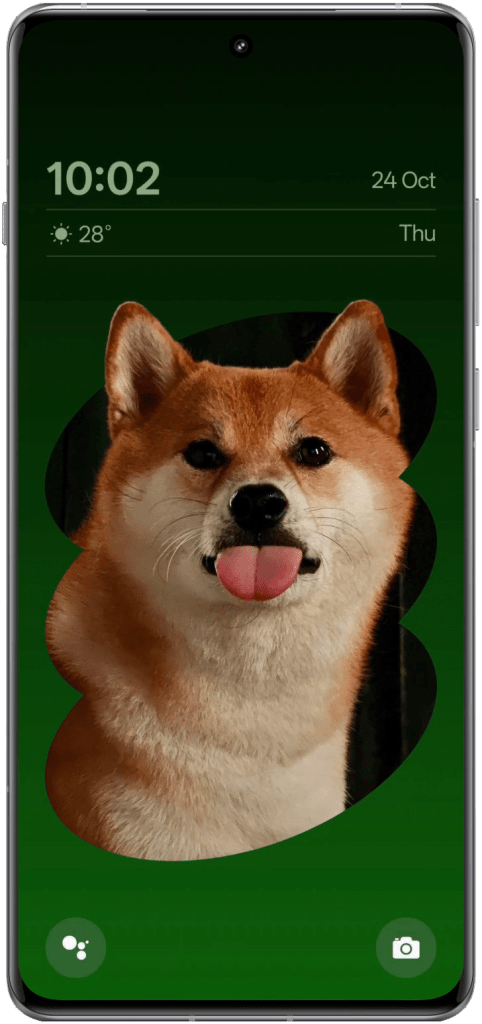
  • OnePlus OneTake: This feature ensures smooth visual transitions from the Always-On Display (AOD) to the lock screen and main screen, providing a coherent and intuitive experience. The one-click image matting function allows users to adapt photos as wallpapers with the “Depth” feature, making the subject stand out without obstruction, further enhancing personalization and visual appeal.
  • Open Canvas: This feature expands to more OnePlus devices on candy-bar phones, enhancing multitasking with seamless two-app split-screen interactions. It allows users to switch between apps seamlessly while maintaining window sizes, making multitasking more convenient and efficient.
  • Share with iPhone: This feature simplifies file sharing between OnePlus and iPhone devices. OnePlus users can activate file sharing through a built-in settings option, while iPhone users need to download the “O+Connect” app. This cross-platform capability fosters a more accessible sharing experience, highlighting OxygenOS 15’s commitment to enhancing user convenience.

Enhanced Safety and Security Features for Peace of Mind

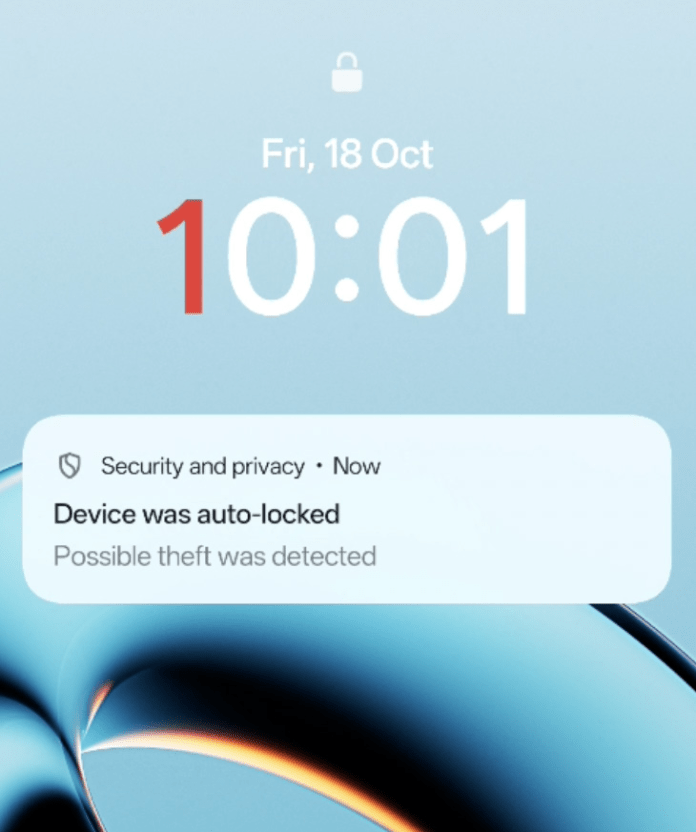
  • Theft Protection: OxygenOS 15 introduces comprehensive theft protection mechanisms, automatically locking the device when theft activity is detected, such as sudden acceleration detected by the gyroscope. Additional protections include remote locking through the FindMyDevice portal, offline locking if the phone remains offline or if the SIM card is removed, and biometric verification for sensitive actions like disabling anti-theft functions.
  • Google Play Protect Live Threat Detection: This feature leverages the Google Play Protect system to analyze app behavior and detect potential malware. Suspicious activity triggers data to be sent to Google Play Protect for verification, and confirmed malicious apps are blocked, safeguarding user data.

In conclusion, OxygenOS 15 represents a significant leap forward in the evolution of OnePlus’s operating system, seamlessly blending speed, AI, and thoughtful design. Its focus on user feedback, coupled with the integration of cutting-edge technology, results in a highly personalized and intuitive user experience that caters to a wide range of needs, from enhanced productivity to robust security.

Outlaw Audio RR2160MkII Integrated Amplifier Review

Venturing outside my usual review territory, I recently found myself evaluating the Outlaw Audio RR2160MkII integrated amplifier. While I don’t frequently delve into high-end audio equipment, I can certainly recognize quality when I hear it and notice when music sounds better. This amplifier proved to be a pleasant surprise, offering both impressive features and solid performance.

The Outlaw Audio RR2160MkII makes a strong impression in the integrated amplifier arena with its impressive suite of features and solid performance, all priced at a reasonable $999.

Hailing from Massachusetts and established in 1999, I’ve found that Outlaw Audio has a reputation for crafting audiophile-grade products. From my time with it, the RR2160MkII continues this legacy by offering a versatile solution for modern audio enthusiasts.

Why Consider Owning a Receiver for Your Audio Setup

Before diving into the review, it’s important to consider why a product like the Outlaw Audio RR2160MkII remains relevant in today’s digital age. While streaming and wireless connections are widespread, many consumers still appreciate the traditional ways of connecting and enjoying music.

Just as vinyl records have experienced a resurgence, there’s a significant audience that values the tactile and reliable nature of wired connections. Additionally, enthusiasts often prefer accessing their music from a variety of sources, making an integrated amplifier a versatile and essential component in their audio setup.

A receiver serves as the heart of a dedicated audio system, offering centralized control for all your music sources. Whether you’re connecting a turntable, CD player, streaming device, or smartphone, a receiver simplifies switching between inputs, reducing cable clutter and enhancing organization. It not only amplifies your audio signals with clarity and power but also supports high-resolution audio formats, ensuring that every detail in your favorite tracks is vividly reproduced.

Modern receivers come equipped with versatile connectivity options, including analog, digital, and USB ports, allowing you to connect a wide range of devices effortlessly. Many also feature built-in streaming capabilities, giving you easy access to services like Spotify and Qobuz directly from the receiver. Additionally, customizable sound settings such as equalizers and room correction help tailor the audio output to your personal preferences and room acoustics. Investing in a high-quality receiver ensures superior sound quality, future-proofs your setup against evolving audio technologies, and enhances your overall listening experience.

Design

The RR2160MkII is a hefty unit, measuring 5.75 inches high, 17.1 inches wide, and 16.5 inches deep. Its industrial design, inspired by art-deco-era radios, sports a steampunk front panel that might not win any beauty contests but certainly stands its ground. The front face is quite busy, housing numerous buttons, dials for volume, bass, treble, and balance, along with multiple USB inputs. This design choice mirrors the amplifier’s feature-rich nature but does mean you’ll need a dedicated spot to display this bulky performer.

I find it would like right at home in today’s modern rooms but yet it still feels like something you’d see in your uncle’s setup from back in the day- whether that was the 80’s, 90’s, or early 2000’s.

Features

Outlaw Audio didn’t hold back with the RR2160MkII’s features. It boasts four analog inputs, a phono preamplifier, two digital coaxial inputs, two optical inputs, three USB-A ports, and a USB-B port. Additionally, it includes two subwoofer outputs and built-in Wi-Fi for internet radio streaming.

The accompanying app allows users to stream from platforms like Spotify, Tidal, and Qobuz, making it easier than ever to access your favorite tunes. For those into nitty gritty details, the Burr Brown chipset DAC and an amplifier that delivers up to 100 watts per channel into eight ohms and 165 watts into four ohms ensure that this amplifier is not just feature-packed but also powerful.

Setup

Setting up the RR2160MkII involves connecting various audio sources, including turntables, CD players, and streaming devices. The amplifier supports both wired Ethernet and Wi-Fi connections, though entering network credentials via the front-panel interface can feel a bit like solving a puzzle.

The Outlaw Audio app simplifies streaming setup, providing access to multiple streaming services and allowing control from your smartphone or tablet. While the absence of an HDMI input aligns with its audio-focused design, you might be forgiven for looking for one on the back.

General Performance

The amplifier delivers a neutral sound profile, maintaining clarity and accuracy across different volume levels. Testing it with my most high-end speakers revealed no noticeable distortion, even at higher volumes. Its power delivery ensures that it can drive demanding speakers effectively, making it suitable for both entry-level and, I’d easily assume more seasoned audiophile setups.

Audio Quality

The RR2160MkII shines in audio reproduction, handling a variety of music genres with precision. Tracks like Jimi Hendrix’s “All Along the Watchtower” and Pink Floyd’s “Shine On You Crazy Diamond” showcased the amplifier’s ability to deliver detailed instrument separation and maintain audio integrity at high volumes. Sprinkling in Daft Punk, Kishi Bashi, and Max Richter proved to be an enjoyable experience. There’s something so cozy and comfortable when hearing music that was engineered with love through quality speakers, headphones, and receiver.

The built-in DAC performed admirably, uncovering subtle nuances in recordings and ensuring high-resolution audio playback. Additionally, the phono preamplifier supports both MM and MC cartridges, catering to vinyl enthusiasts with diverse cartridge preferences.

Remote Control

While the RR2160MkII boasts an impressive array of features, the remote control leaves a bit to be desired. The supplied remote is a standard universal model—fully functional and key-lit—but its ergonomics are less than stellar.

The volume up/down buttons are buried amidst a sea of similarly sized and shaped buttons, making it a bit of a treasure hunt to find the right one when you need it. Navigating through numerous functions can sometimes feel like searching for a needle in a haystack, detracting slightly from the overall user experience. However, once you get the hang of it, the remote still serves its purpose without major hiccups.

Value

At $999, the RR2160MkII offers significant value by integrating multiple high-end features into a single unit. I had to do a bit of investigating but found that when compared to competitors (PS Audio Sprout 100, NAD C 3050, and Cambridge Audio CXA81), the Outlaw Audio provides more input options and higher power output without a hefty price tag. This comprehensive feature set makes the RR2160MkII an attractive option for those seeking an all-in-one audiophile solution without breaking the bank.

Warranty

Outlaw Audio backs the RR2160MkII with a two-year warranty, providing peace of mind regarding the product’s longevity and reliability. This warranty coverage enhances the overall value proposition, ensuring that users can invest confidently in the amplifier.

Setup and Listening Experience

During extensive listening sessions, the RR2160MkII demonstrated its ability to handle various audio sources seamlessly. Whether streaming high-resolution files from USB or accessing streaming services, the amplifier maintained consistent audio quality. The inclusion of bass management features allows for effective integration with subwoofers, enhancing the overall soundstage without overworking the main speakers.

Pros

  • Extensive input options, including MM and MC phono preamplifiers
  • High power output of up to 165 watts per channel into four ohms
  • Built-in Wi-Fi and comprehensive streaming capabilities via the Outlaw Audio app
  • Robust audio performance with a neutral sound profile and detailed reproduction
  • Two-year warranty providing added value and reliability

Cons

  • Industrial and large design may not suit all aesthetics or spaces
  • Somewhat cluttered front panel with numerous buttons and dials
  • Outlaw Audio app interface feels a bit outdated
  • Lacks HDMI input and on-board Bluetooth connectivity
  • Remote control ergonomics could use improvement

Verdict

The Outlaw Audio RR2160MkII integrated amplifier delivers a compelling package for audiophiles seeking a feature-rich and high-performing amplifier without exceeding a $1,000 budget.

Its robust design accommodates a wide range of inputs and streaming options, while its powerful amplification ensures compatibility with high-end speakers. Despite some design and interface drawbacks, the RR2160MkII offers exceptional audio quality and value, making it a strong contender in the integrated amplifier market.

Whether you’re building an entry-level audiophile system or upgrading an existing setup, the RR2160MkII deserves serious consideration—and maybe a little shelf space. As someone who has a handful of products spaced around the home, I look forward to consolidating things and putting them in a central location, giving them a new lease on life.

Hisense Launches PL2 Laser Cinema Projector

0

Hisense has expanded its home theater offerings with the introduction of the PL2 Laser Cinema ultra-short throw (UST) projector, targeting those who crave both top-notch performance and sleek design. The PL2 showcases Hisense’s knack for integrating advanced technology with stylish aesthetics, making it a fitting addition to any living space – because who doesn’t want a mini Hollywood in their living room?

Featuring Hisense’s X-Fusion laser technology, the PL2 produces billions of vibrant colors, letting users customize their viewing experience with projection sizes from 80 to 150 inches. Whether you’re watching the latest blockbuster or a marathon of your favorite series, the PL2 adapts to fit various room sizes. Its ultra-short throw design means setting it up is a breeze, perfect for those who prefer minimal fuss over their entertainment setup – no need to wrestle with mounts and cables.

The PL2 is designed to fit seamlessly into any room, boasting a 0.22 throw ratio that allows for a large cinematic screen even in compact spaces. It brings 4K picture quality enhanced by 4K AI upscaling and immersive audio from two top-firing, built-in Dolby Atmos speakers, ensuring that both visuals and sound meet high cinematic standards – making movie nights feel like a trip to the cinema without the overpriced popcorn.

Visual performance is boosted with Dolby Vision and HDR10 support, delivering accurate colors and clear imagery. With 2,700 ANSI lumens of brightness and a native contrast ratio of 3,000:1, the PL2 ensures sharp images with deep blacks and bright highlights. Features like Filmmaker Mode, Auto Low Latency Mode (ALLM), and Motion Estimation/Motion Compensation (MEMC) cater to a variety of viewing preferences, from movies to sports and gaming – because versatility is key when you have diverse tastes (or a family with diverse tastes).

Running on the user-friendly Google Smart TV OS, the PL2 offers easy access to popular streaming services such as Netflix, YouTube, Disney+, Hulu, and Amazon Prime Video. It works well with Control4, AirPlay 2, and Apple HomeKit, allowing connectivity with other smart devices in the home. The projector’s active 3D capability adds depth to animation and action-packed content, enhancing the viewing experience – because who doesn’t want to feel like they’re part of the action?

Priced at $2,497.97, the PL2 is available for purchase through the Hisense Shop, Amazon, and Projectorscreen.com. With its thoughtful design and advanced features, the PL2 Laser Cinema projector is set to provide a premium home theater experience suited to diverse lifestyles and living spaces – proving that you don’t need to be a tech guru to enjoy top-tier entertainment.

How Smartphones are Making Cryptocurrencies More Accessible

0

Smartphones have been revolutionizing various aspects of the daily life of most people around the world, impacting anything from communication to finance. A significant shift has been the way smartphones are driving accessibility and adoption of cryptocurrencies. This is especially the case for the population who traditionally have been excluded from the financial system. To make cryptocurrencies more accessible, various trends and advancements of mobile technology have been playing a pivotal role. As a result of mobile technology, cryptocurrencies are more accessible, secure, and user-friendly for millions of people worldwide. 

The rise of mobile-based cryptocurrency access

In recent years, cryptocurrency usage has surged, especially due to the convenience of accessing digital assets via mobile devices. According to Backlinko, as of 2024, there is an estimated 4.88 billion people who own a smartphone. This is an increase of 635 million new smartphone users between 2023 and 2024. As more people are owning smartphones, and more people have access to smartphones than to traditional banking services, the potential of using mobile devices as gateways to financial inclusion is immense. 

With the rise of mobile wallets and cryptocurrency apps, people can manage, trade, and store their digital assets with ease. The apps removed the dependence on costly infrastructure, including physical bank branches, as people now can transact directly on the blockchain. As a result, there has been an increase in mobile-based cryptocurrency adoption. For example, in various developing countries, banking infrastructure can be sparse or inaccessible, and this is where mobile technology has been a game-changer. Furthermore, mobile-based cryptocurrency is also expanding beyond the banking and investment world. The rise of mobile crypto casinos has taken people by storm due to the large amount of oeprators being available. It has enabled people to leverage their cryptocurrencies for wagering at online casinos. The selection of online crypto casinos has increased exponentially the past years, leading to sites reviewing crypto casinos to help guide in the decision of which platform to engage in. By clicking the link, you will find a great source to read reviews about crypto casinos, and tutorials and description tailored to beginners in the crypto casino realm. 

Financial inclusion through mobile crypto solutions

Cryptocurrencies and decentralized finance (DeFi) platforms provide an alternative to traditional financial systems. Individuals can now access a variety of financial services from their smartphones, which used to be unavailable to them. It is possible to send and receive payments, trade digital assets, and take out loans and earn interest on savings, all done through DeFi applications. Having this option has especially been valuable in regions where unstable banking systems is common, or where the national currency is highly volatile. 

According to Santander, there is still 1.4 billion people who remain unbanked as of 2023. However, one potential solution to this, which could include more people to the global financial markets, could be mobile-based cryptocurrencies. Since these platforms leverage blockchain technology, these digital assets allow for peer-to-peer transactions, which are both faster and cheaper than traditional banking methods. These platforms can also bypass the challenges posed by unreliable financial institutions, providing autonomy to users. 

The key challenges of security and trust

Even though mobile cryptocurrencies are being highly adopted globally, security continues to be a significant concern. Mobile devices are per default vulnerable to hacking, phishing attacks, and other security breaches, and this can lead to the loss of funds. In an attempt to mitigate these risks, cryptocurrency apps continue to enhance security features. These features include multi-factor authentication (MFA), biometric verification, and hardware wallet integrations. Al these features provides additional layers of protection for mobile users. 

Another challenge to be addressed is the need to build trust in these digital financial services. Statements from industry experts have emphasized the importance of instilling confidence in users. The most important factors to consider enabling this are through security measures, clear regulations, and consumer education. For many people, cryptocurrencies are still perceived with skepticism due to their volatility as digital assets, and due to concerns about fraud and theft. Providing transparent, user-friendly mobile applications which prioritize security and privacy will be key to overcoming these challenges. 

The role of fintech and crypto wallets

Within the fintech sector there continues to be a growing competition, which is also pushing the need for more sophisticated, secure, and user-friendly cryptocurrency wallets. More traditional financial institutions such as banks and payment processors are starting to integrate crypto services. This means that people can expect that mobile-based cryptocurrency solutions will become more accessible and mainstream. 

Some of the leading crypto wallets have already made significant strides to make the user experience more simplified. These apps have been designed to have easy-to-navigate interfaces and educational resources. This helps users understand how to safely store, trade, and manage digital assets. These innovations are very crucial in the development towards accessibility, as they are reducing the learning curve for the mass public, while making cryptocurrency more approachable for everyday smartphone users. 

Concluding remarks

It is evident that in the digital era we live in, smartphones have become the main tool to access various services and items, including cryptocurrencies. Making cryptocurrencies available through smartphones has been democratizing finance for millions of people around the world, as it breaks down barriers that the traditional banking system has been posing in some regions. Mobile-based cryptocurrency solutions are expanding financial inclusion, which creates new opportunities for wealth-building and economic participation. 

With more people gaining access to smartphones and mobile internet, it is expected that the role of smartphones will continue to transform the cryptocurrency landscape. 

EDITOR NOTE: This is a promoted post and should not be considered an editorial endorsement