Home Blog Page 10

TECNO and Tonino Lamborghini Debut International Collaboration at MWC 2026

0

TECNO has announced a new international collaboration with Tonino Lamborghini, bringing together advanced consumer technology and Italian design under a single banner. Revealed at Mobile World Congress 2026 in Barcelona, the partnership introduces a co-branded lineup that blends TECNO’s hardware expertise with Tonino Lamborghini’s distinctive aesthetic.

The collaboration spans gaming devices, smartphones, laptops, earphones, tablets, and a broader AIoT ecosystem. It marks a strategic move for TECNO as it continues to push into higher-end, design-driven segments, and for Tonino Lamborghini as it extends its brand identity into connected consumer electronics.

Jack Guo, General Manager of TECNO, described the partnership as a milestone in the company’s pursuit of performance and aesthetics. Dr. Tonino Lamborghini, Founder of Tonino Lamborghini S.p.A., framed it as a project that merges complementary strengths: Italian design language and technological know-how.

Tonino Lamborghini TECNO TAURUS (MEGA MINI G1 Pro)

Stylish gaming PC case featuring a sleek design with red lighting, branded with TECNO and Tonino Lamborghini logos.

Leading the launch is the Tonino Lamborghini TECNO TAURUS, also known as the MEGA MINI G1 Pro. It represents the second generation of TECNO’s Mini gaming PCs, following the original MEGA Mini G1, introduced as the world’s first and smallest water-cooled gaming PC.

The TAURUS model retains a compact form factor but pushes performance into enthusiast territory. It features an Intel Core i9-13900HK processor with 14 cores and 20 threads, capable of reaching speeds up to 5.4GHz. On the graphics side, it integrates an NVIDIA GeForce RTX 5060 discrete GPU with 8GB of GDDR7 memory and 145W of total graphics power. Built on NVIDIA’s Blackwell architecture, the GPU supports advanced rendering techniques such as path tracing and delivers up to 614 AI TOPS.

Cooling remains central to the design. The system incorporates a roughly 10,000mm² pure copper water-cooled cold plate alongside a triple-fan setup. A real-time display on the chassis allows users to monitor CPU and GPU performance directly. Connectivity includes 15 ports, Wi-Fi 6E, and Bluetooth 5.4, with power supplied via a 330W external GaN adapter.

The all-metal body, accented by RGB lighting and Tonino Lamborghini design cues, positions the TAURUS as both a performance system and a lifestyle statement. It is aimed at gamers and creative professionals who want desktop-level power in a compact footprint.

TECNO POVA Metal Tonino Lamborghini Limited Edition

Three sleek smartphone designs in black, silver, and red, featuring a unique rear camera layout and branding, displayed against a dark background.

TECNO is extending the collaboration to smartphones with the POVA Metal Tonino Lamborghini Limited Edition. The company describes it as the world’s first full-metal unibody 5G phone.

The design features uninterrupted curves and an ultra-thin 0.99mm bezel. On the rear, a 241-pixel independent LED dot matrix allows for customizable notifications and visual effects, including call alerts and dynamic lighting patterns inspired by Tonino Lamborghini’s design language. A pulse light strip adds further visual emphasis.

The device is powered by a Snapdragon processor, reinforcing its positioning as a performance-focused handset within the POVA series. The blend of metal construction, programmable lighting, and 5G connectivity signals TECNO’s intent to bring more expressive hardware design into the mainstream smartphone segment.

A Broader AIoT Ecosystem

Beyond individual devices, TECNO is showcasing a concept AIoT ecosystem developed in collaboration with Tonino Lamborghini. The lineup includes laptops, tablets, and wearables unified by a shared design language characterized by sharp geometry and sleek silhouettes.

These devices are intended to fit across daily work, study, creativity, and communication use cases. The emphasis is on cohesive design paired with practical performance, creating a connected ecosystem that carries a recognizable visual identity.

OUKITEL Brings Rugged Phones, Solar Laptop, and High-Capacity Power to MWC 2026

0

OUKITEL is heading to MWC 2026 with a lineup built for harsh environments and heavy workloads. At Booth 7F46 from March 2 through March 5, the company will showcase a range of rugged smartphones, an industrial tablet, a solar-powered laptop, and a large-capacity portable power station aimed at professionals and outdoor users who expect more from their gear than basic connectivity.

The theme across the portfolio is clear: durability, extended battery life, and built-in tools that reduce the need for extra equipment in the field.

WP61 Series: Satellite Connectivity Meets Thermal Imaging

Leading the announcement is the WP61 series, described as the world’s first rugged professional flagship to combine satellite communication, thermal imaging, and DMR walkie-talkie capabilities in a single device.

The inclusion of NTN two-way satellite connectivity is designed to keep users connected in remote areas where cellular coverage may be limited or unavailable. For teams working in industrial sites, emergency response, or outdoor expeditions, the built-in DMR walkie-talkie supports real-time communication without requiring a separate radio.

Thermal imaging is another key feature, offering a 256×192 resolution sensor for detecting heat signatures during inspections, maintenance, or security tasks. Powering the device is a 20,000mAh battery with 45W fast charging and reverse charging support, allowing it to double as a backup power source for smaller devices.

RG14-P: A Solar-Powered Rugged Laptop

OUKITEL is expanding into rugged computing with the RG14-P, positioned as the world’s first rugged industrial laptop with integrated solar charging.

Built for off-grid environments, the RG14-P features a 3,000mAh main battery and a 5,200mAh backup battery, along with 65W fast charging. It runs Windows 11 and includes a 14.1-inch touchscreen, enabling direct interaction with the display in field scenarios.

A related variant, the RG14-L, adds a built-in camping light for low-light conditions. The concept is simple but practical: a laptop that can continue operating in locations where traditional power access is inconsistent or unavailable.

RT10 Series: Industrial Tablet with Integrated Tools

The RT10 series focuses on industrial and enterprise applications. The tablet integrates a customizable fingerprint capture module for secure enrollment and a built-in 2D barcode scanner designed for warehousing, logistics, and manufacturing workflows.

A 25,000mAh battery supports extended use and reverse charging. The tablet includes dual 5W speakers rated at over 130 dB and an ultra-bright camping light with multiple lighting modes for field work. The RT10 Pro variant adds a built-in projector, which could be useful for on-site presentations or team briefings without additional equipment.

WP63: Rugged Smartphone with Survival Utility

The WP63 takes a more unconventional route. Alongside a 20,000mAh battery, powerful loudspeaker, camping light, and 18W reverse charging, the device features a built-in electric igniter.

A rugged smartphone displayed from multiple angles, featuring a futuristic design with a large screen, distinctive camera setup, and bright LED flash on the back.

Designed for camping and emergency scenarios, the WP63 aims to serve as more than a smartphone. The addition of an igniter underscores OUKITEL’s focus on multi-functionality in outdoor settings where carrying fewer separate tools can make a difference.

P5000 Pro: Large-Scale Portable Power

OUKITEL portable power station featuring multiple output ports, a digital display, and sturdy wheels for mobility.

Completing the lineup is the P5000 Pro portable power station. With a 5120Wh capacity and 3600W AC output, it is built to support home backup needs, RV setups, or extended off-grid use.

The unit supports 1800W AC input and can reach 80 percent charge in approximately 1.5 hours. It uses a LiFePO4 battery rated for up to 5,000 cycles and a projected 10-year lifespan, positioning it as a long-term energy solution rather than a short-term accessory.

HONOR Expands Its AI Vision at MWC 2026 with Robot Phone, Magic V6, and New Ecosystem Devices

0

At MWC 2026 in Barcelona, HONOR laid out the next chapter of its AI strategy, introducing a concept Robot Phone, its latest flagship foldable Magic V6, and new additions to its broader device lineup. The announcements build on the company’s Augmented Human Intelligence (AHI) vision and its ALPHA PLAN framework, structured around Alpha Phone, Alpha Store, and Alpha Lab.

Taken together, the reveals show HONOR pushing beyond traditional smartphones and into a more connected, intelligence-driven ecosystem.

Robot Phone: A Smartphone That Moves With You

The standout concept from the event was the HONOR Robot Phone, described as a new species of smartphone that integrates embodied AI interaction with robotic-grade motion control.

Rather than relying solely on touchscreens and voice commands, the Robot Phone introduces physical motion and spatial awareness into everyday use. It supports all-angle AI video calling, physically adjusting its position to follow a user. The device can respond with gestures such as nodding or shaking its “head,” and even move rhythmically to music, adding expressive interaction to what is typically a static device.

Under the hood, HONOR developed a compact micro motor system and integrated an ultra-compact 4DoF gimbal architecture. This mechanical setup supports a three-axis stabilization system designed to maintain smooth motion in dynamic environments. Features like Super Steady Video, AI Object Tracking, and AI SpinShot enable intelligent 90° and 180° rotational transitions for more cinematic control, even when filming one-handed.

With a 200MP sensor and stabilized gimbal camera system, the Robot Phone aims to narrow the gap between smartphone video and professional-style storytelling. It serves as a preview of how HONOR sees embodied intelligence reshaping mobile devices in the years ahead.

Magic V6: A Refined Foldable Flagship

While the Robot Phone hints at the future, the HONOR Magic V6 focuses on advancing foldable engineering in the present.

The device measures 8.75mm when closed and carries IP68 and IP69 ratings for water and dust resistance. HONOR integrates its fifth-generation silicon-carbon battery technology, developed in partnership with ATL, achieving 25% silicon content within a slim foldable frame. The result is a 6,660mAh battery housed in one of the thinnest foldables in its class.

At MWC, HONOR demonstrated its next-generation Silicon-carbon Blade Battery concept with 32% silicon content and 900+ Wh/L energy density, signaling continued development toward higher-capacity, ultra-thin battery designs.

Magic V6 features dual LTPO 2.0 displays measuring 6.52 inches externally and 7.95 inches when unfolded. Both support adaptive 1–120Hz refresh rates, with peak HDR brightness of up to 6,000 nits on the outer screen and 5,000 nits on the inner display. The inner panel uses ultra-thin flexible glass with SGS Minimized Crease Certification and a 44% reduction in crease depth compared to the previous generation.

Powered by the Snapdragon 8 Elite Gen 5 processor and supported by advanced vapor chamber cooling, Magic V6 is positioned as a performance-focused foldable designed for gaming, multitasking, and demanding workloads. HONOR notes that cross-ecosystem tools allow it to integrate with Apple’s ecosystem, appealing to users who operate across platforms.

Magic V6 will be available in select markets in the second half of the year, with regional pricing and configurations to be announced locally.

Extending the Ecosystem: MagicPad 4 and MagicBook Pro 14

Beyond smartphones, HONOR expanded its AI-powered lineup with the MagicPad 4 tablet and MagicBook Pro 14 laptop.

MagicPad 4 runs on the Snapdragon 8 Gen 5 mobile platform and features a 12.3-inch 3K OLED display with a 165Hz refresh rate. At 4.8mm thick, it targets users seeking a slim, high-performance tablet for productivity and content creation. The tablet will be available in Grey and White, starting at €699, with configurations and bundles varying by region.

MagicBook Pro 14 is powered by Intel Core Ultra Series 3 processors and pairs a 14.6-inch OLED display with intelligent performance management. HONOR positions it as a portable yet capable AI laptop designed for sustained workloads and creative tasks, further strengthening the company’s cross-device strategy.

A Step Into Consumer Robotics

HONOR also introduced its first humanoid robot, signaling plans to extend its mobile technology expertise into consumer-grade robotics. The company outlined potential use cases including shopping assistance, workplace inspections, and companionship. By leveraging user data and ecosystem continuity from its smartphones and connected devices, HONOR aims to create robots that can recognize and assist users more intuitively.

From embodied AI concepts to refined foldable engineering and AI-enhanced productivity devices, HONOR’s MWC 2026 showcase highlights a strategy centered on integrating intelligence across both digital and physical experiences. More details can be found on HONOR’s official website and community channels.

Motorola Expands Its Audio Lineup with moto buds 2 plus and moto buds 2 at MWC 2026

0

At MWC 2026, Motorola introduced two new additions to its growing “moto things” ecosystem: the moto buds 2 plus and the moto buds 2. Designed to cover both premium and everyday listening needs, the new wireless earbuds focus on high-quality audio, active noise cancellation, and deeper integration with Motorola devices.

Both models feature sleek designs in curated Pantone colors and aim to deliver a next-generation audio experience for work, travel, study, and entertainment.

moto buds 2 plus: Sound by Bose and Smart Productivity Features

Positioned as the flagship option, the moto buds 2 plus are built for users who want immersive audio and advanced smart features in a compact, wireless form.

The headline feature is Sound by Bose technology, bringing Bose’s tuning expertise to Motorola’s earbuds. Inside, 11mm dynamic drivers deliver bass response, while balanced armatures from Knowles handle clarity and precision. The earbuds support Hi-Res Audio with LHDC (Low-Latency High-Definition Audio Codec) and Spatial Audio for a more dimensional listening experience.

A pair of wireless earbuds in black and white charging cases, displayed open to show the earbuds inside.
moto buds 2 plus

Dynamic Active Noise Cancellation (ANC) helps reduce environmental noise, making the buds suitable for commuting, working in public spaces, or focusing at home. For calls, six microphones paired with Environmental Noise Cancellation and a high signal-to-noise ratio aim to improve voice clarity. Users can enable CrystalTalk AI through the Moto Buds app for additional AI-driven noise reduction during calls.

Battery life is rated at up to 9 hours per charge, with up to 40 hours total using the charging case. Features such as Dual Connection allow pairing with two devices at once, while Audio Share lets two sets of moto buds 2 plus connect to a single phone for shared listening. Wear Detection automatically pauses content when the earbuds are removed.

On compatible Motorola devices, users can activate moto ai by pressing and holding the earbuds. This enables features like Catch me up for notification summaries, Pay attention for recording and summarizing meetings, Remember this for recalling saved details, and AI-powered translation on select devices.

The moto buds 2 plus will start at €149 and will roll out across select countries in Europe, the Middle East, Latin America, and Asia-Pacific in the coming weeks. Color options include PANTONE Cool White and PANTONE Silhouette.

moto buds 2: Everyday Audio with Extended Battery Life

The moto buds 2 are designed as a more accessible, daily-use option without cutting corners on core features.

Three pairs of wireless earbuds in charging cases, displayed in black, pink, and green colors.
moto buds 2

They combine 11mm dynamic drivers with 6mm micro planar magnetic drivers, supporting Hi-Res Audio and LHDC. Spatial Audio is included for immersive playback across music, movies, and podcasts.

Dynamic ANC, rated up to 55dB, works alongside Transparency Mode so users can toggle between isolation and awareness. Like the plus model, the moto buds 2 use six microphones with Environmental Noise Cancellation for clearer calls.

Battery life is a key highlight. The moto buds 2 offer up to 11 hours of playback on a single charge and up to 48 hours total with the charging case. A quick 10-minute charge can provide up to 3 hours of listening time, making them practical for busy days.

Bluetooth 6.0 supports Dual Connection for seamless switching between devices. Through the Moto Buds app, users can activate Gaming Mode to reduce audio latency for more synchronized gameplay. Owners of compatible Motorola devices can access moto ai features in a similar way to the buds 2 plus.

The moto buds 2 will start at €79 and will launch in select regions across Europe, the Middle East, Latin America, and Asia-Pacific in the coming weeks. Available colors include PANTONE Carbon, PANTONE Violet Ice, and PANTONE Gray Mist.

Motorola Expands Security Focus with GrapheneOS Partnership and New Enterprise Tools at MWC

0

At Mobile World Congress, Motorola outlined a broader push into privacy and enterprise security, introducing a partnership with the GrapheneOS Foundation alongside new additions to its Moto Secure and ThinkShield ecosystems.

The announcements span both consumer and business audiences, with a clear theme: deeper control, stronger privacy, and more visibility for organizations managing fleets of devices.

GrapheneOS Partnership Aims to Raise the Bar on Mobile Security

Motorola confirmed a long-term collaboration with the GrapheneOS Foundation, the nonprofit organization behind GrapheneOS, a hardened operating system built on the Android Open Source Project. The partnership is focused on strengthening smartphone security and developing future devices engineered for GrapheneOS compatibility.

GrapheneOS is widely recognized in security circles for its emphasis on privacy protections and system hardening. By aligning with the project’s engineering expertise, Motorola is signaling interest in serving users who prioritize security beyond standard Android implementations.

According to the announcement, the two organizations will work on joint research, software enhancements, and new security capabilities. More details on specific devices or timelines were not disclosed, though Motorola indicated updates will roll out as the collaboration progresses.

The partnership brings together GrapheneOS’s security-focused development approach with Motorola’s experience in device manufacturing and Lenovo’s ThinkShield security framework. For enterprise customers and privacy-conscious consumers alike, the move suggests future Motorola devices may offer more flexible and hardened software options than typical out-of-the-box Android builds.

Moto Analytics Targets Enterprise IT Visibility

On the enterprise side, Motorola introduced Moto Analytics, a new platform designed to give IT administrators real-time insight into device performance across their fleet.

Positioned as part of the ThinkShield ecosystem, Moto Analytics goes beyond traditional enterprise mobility management tools that focus primarily on access control. Instead, it provides operational data such as app stability metrics, battery health, and connectivity performance.

The goal is straightforward: help IT teams identify problems early, troubleshoot faster, and reduce downtime. In practice, that could mean spotting a misbehaving app before it drains batteries across dozens of field devices or identifying connectivity issues that affect productivity.

Motorola states that Moto Analytics is built to integrate into existing enterprise environments and scale alongside growing organizations. For companies managing large numbers of smartphones, especially in industries like logistics, healthcare, or retail, having device-level performance data in one place could simplify support workflows.

Private Image Data Adds Metadata Control to Moto Secure

For individual users, Motorola is expanding its Moto Secure app with a new feature called Private Image Data.

This tool is designed to automatically remove sensitive metadata from newly captured photos. When enabled, it strips details such as location and device information from camera images while preserving the visual content itself.

Metadata embedded in photos can reveal more than many users realize, including where and when an image was taken. By automating the removal process, Motorola aims to make privacy protection more accessible without requiring manual steps or third-party apps.

Private Image Data will begin rolling out to select Motorola signature devices in the coming months, with further refinements planned over time.

The feature joins other protections within Moto Secure, Motorola’s centralized hub for privacy and security tools powered by ThinkShield. The app consolidates controls for permissions management, file protection, and device integrity monitoring into a single interface, giving users clearer visibility into how their device is secured.

A Broader Security Play Across Consumer and Enterprise

Taken together, the announcements reflect Motorola’s effort to position security as a core differentiator across both consumer and business segments. The GrapheneOS partnership leans toward advanced privacy and hardened software, Moto Analytics focuses on operational insight for IT teams, and Private Image Data addresses everyday user concerns around photo privacy.

More details about device compatibility and timelines are expected in the months ahead. For now, Motorola’s message from MWC is clear: security is no longer a background feature. It is becoming part of the headline.

Xiaomi 17 Series Debuts with Leica Co-Creation, HyperCharge Advances, and New Pad 8 Tablets

0

Xiaomi has introduced its Xiaomi 17 Series in Barcelona, headlined by the Xiaomi 17, Xiaomi 17 Ultra, and a new Leica Leitzphone powered by Xiaomi. The launch marks a deeper collaboration with Leica, shifting from joint R&D to what Xiaomi calls a Strategic Co-creation Model, aimed squarely at raising the bar for mobile imaging.

Alongside the smartphones, Xiaomi unveiled the Xiaomi Pad 8 Series tablets, new AIoT products, and a Vision Gran Turismo concept car, signaling a broad push across its Human × Car × Home ecosystem.

Design Focused on Form and Durability

The Xiaomi 17 Series leans into a minimalist aesthetic with flat frames, slim bezels, and what Xiaomi describes as Golden Arc curves for a comfortable in-hand feel. Manufacturing refinements such as LIPO technology contribute to ultra-thin borders and near edge-to-edge displays.

The Xiaomi 17 Ultra measures 8.29mm thick and weighs as little as 218.4g, making it the thinnest and lightest Ultra model in Xiaomi’s lineup to date. It features Xiaomi Shield Glass 3.0, a fiberglass back, aluminum alloy frame, and IP68 dust and water resistance. Color options include Black, White, and Starlit Green.

The standard Xiaomi 17 is slightly slimmer at 8.06mm and weighs 191g. It offers ultra-slim 1.18mm bezels and arrives in Black, Venture Green, Alpine Pink, and Ice Blue. It shares the IP68 rating and Guardian Structure durability approach.

Leica Imaging at the Core

Imaging is the centerpiece of the Xiaomi 17 Series. The Xiaomi 17 Ultra introduces Xiaomi’s first 1-inch LOFIC main camera sensor, the Light Fusion 1050L, designed to improve HDR and dynamic range performance. It pairs with a Leica 200MP 75–100mm telephoto camera featuring mechanical optical zoom and up to a 400mm equivalent focal length via advanced sensor technology. Video support includes Dolby Vision and ACES Log recording up to 4K 120fps.

The Xiaomi 17 uses the Light Fusion 950 sensor (1/1.31-inch) and a Leica 60mm floating telephoto lens capable of 10cm macro and 20x AI Ultra Zoom. Both devices include 50MP front cameras and support high-resolution video capture.

A top view of a Xiaomi smartphone with a Leica camera setup and a textured black back.
Xiaomi 17 Ultra Photography Kit

For users seeking a more tactile photography experience, Xiaomi is offering two accessories: the Xiaomi 17 Ultra Photography Kit and the Photography Kit Pro. The Pro version adds a 2000mAh integrated battery and a Leica-inspired PU leather grip, catering to enthusiasts who prefer hardware controls over touchscreen taps.

Leica Leitzphone Powered by Xiaomi

Celebrating Leica’s 100-year anniversary, Xiaomi and Leica co-developed the Leica Leitzphone powered by Xiaomi. It features a Leica Camera Ring dial, Leica-tuned interface, and an Essential mode inspired by classic Leica cameras such as the M9 and M3. The device is available in Black with 1TB of storage and positions itself as a premium option for photography-focused users.

Snapdragon Power and Surge Batteries

All Xiaomi 17 models run on the Snapdragon 8 Elite Gen 5 Mobile Platform built on a 3nm process. Configurations include up to 16GB of RAM and 1TB of storage on the Ultra and Leitzphone models.

Battery capacity stands at 6,000mAh on the Xiaomi 17 Ultra and 6,330mAh on the Xiaomi 17. Wired charging reaches up to 100W HyperCharge on the standard model and 90W on the Ultra, with 50W wireless charging supported across the lineup.

Displays feature LTPO OLED panels with up to 3,500 nits peak brightness and 1–120Hz refresh rates. The Xiaomi 17 Ultra introduces a Xiaomi HyperRGB OLED panel designed to enhance clarity and power efficiency.

Xiaomi Pad 8 Series Targets Productivity

Xiaomi expanded its tablet lineup with the Xiaomi Pad 8 and Xiaomi Pad 8 Pro. Both feature 11.2-inch 3.2K displays with up to 144Hz refresh rates and 800 nits brightness. The tablets run Xiaomi HyperOS 3 with PC-like multitasking tools, including split-screen layouts and a PC-level browser experience.

The Pad 8 is powered by the Snapdragon 8s Gen 4, while the Pad 8 Pro steps up to the Snapdragon 8 Elite Mobile Platform. A Matte Glass version of the Pro model adds a nano-textured display aimed at reducing reflections.

Battery capacity is 9,200mAh across the range, with charging speeds up to 67W on the Pro. Accessories include the Xiaomi Focus Pen Pro and keyboard options for a laptop-style setup.

Pricing and Availability

The Xiaomi 17 starts at €999 (~$1,170 USD), while the Xiaomi 17 Ultra begins at €1,499 (~$1,750 USD). The Leica Leitzphone powered by Xiaomi starts at €1,999 (~$2,340 USD). The Xiaomi Pad 8 starts at €449.9 (~$580 USD), and the Pad 8 Pro at €549.9 (~$650 USD), with the Matte Glass version priced from €769.9 (~$1,170 USD).

Motorola Introduces its First Book-Style Foldable: motorola razr fold

0

Motorola has officially expanded its foldable lineup with the new motorola razr fold, the brand’s first book-style foldable smartphone. Unlike the clamshell models that have defined the razr revival in recent years, this device opens like a book to reveal a larger tablet-style display, positioning it as a productivity-focused companion built for multitasking, content creation, and entertainment.

The razr fold pairs a 6.6-inch external display with an expansive 8.1-inch 2K LTPO internal screen when unfolded. Motorola describes it as a “spacious canvas,” and on paper, it reads that way. The larger inner display is designed for split-screen workflows, stylus input, and immersive media experiences, giving users more room to work without carrying a second device.

Slim design with durability in focus

Despite its larger format, the motorola razr fold measures just 4.6mm thin when open and 9.9mm when closed. A stainless steel teardrop hinge guides the folding mechanism, while a titanium inner screen plate distributes pressure across the fold to help the display maintain its shape over time.

Motorola says the device is the first smartphone to feature Corning Gorilla Glass Ceramic 3, and internal testing claims over 75 percent improved drop performance compared to previous-generation devices. The display stack includes Ultra-Thin Glass and an Anti-Shock Film, all aimed at reinforcing durability without sacrificing the smooth look of the panel.

Two Motorola Razr smartphones positioned at an angle, showcasing their sleek designs. One is in a silver color with a reflective surface, while the other is black with a textured finish. Both phones feature multiple camera lenses on the back.

The foldable supports multiple usage modes beyond fully open and closed. Laptop mode allows for angled typing and multitasking, tent mode supports hands-free video viewing, and the hinge design doubles as a built-in tripod for photography or video calls. In short, the hardware is meant to adapt to different contexts without asking the user to adapt to it.

The razr fold arrives in two finishes: Pantone Blackened Blue with a woven, diamond piqué-inspired texture, and Pantone Lily White with a silk-inspired finish.

DXOMARK-rated camera system

Motorola is placing heavy emphasis on imaging. According to DXOMARK, the motorola razr fold ranks as the #1 foldable camera system and the #2 smartphone camera system in North America, earning the DXOMARK Gold Label for imaging excellence.

The rear setup includes a 50MP main sensor built around Sony’s LYTIA 828, capable of recording 8K video and Dolby Vision content. A 50MP periscope telephoto lens using the Sony LYTIA 600 sensor offers 3x optical zoom with optical image stabilization, and up to 100x Super Zoom Pro assisted by moto ai. A 50MP ultrawide lens with a 122-degree field of view supports Macro Vision down to 3.5cm.

On the front, users get a 32MP internal selfie camera with Quad Pixel technology and 4K video recording. There is also a 20MP external selfie camera, enabling video calls and selfies even in laptop mode.

Pantone-validated color and skin tones are integrated into the imaging system, aiming for more consistent, realistic results.

Snapdragon 8 Gen 5 and AI-powered features

A split-screen view of a foldable smartphone showing a map with restaurant locations on one side and a messaging app conversation on the other side.

At the core of the motorola razr fold is the Snapdragon 8 Gen 5 Mobile Platform. The chipset powers Motorola’s AI features, including prompts like “Catch me up” for notification summaries and “Pay Attention” for real-time transcription.

The device supports Microsoft Copilot, Google Gemini, and Perplexity AI, giving users multiple AI tools to choose from depending on the task. Configuration options include 16GB of RAM with RAM Boost and up to 1TB of storage.

An advanced liquid-cooling system is built in to help maintain performance during gaming, streaming, and multitasking. Motorola is promising up to seven Android OS upgrades and seven years of security updates, signaling a long-term software commitment.

Large battery and fast charging

Motorola claims the razr fold features the largest battery available in a foldable, with a 6000mAh capacity. Silicon-carbon battery technology helps balance longevity with the device’s thin profile.

Charging is equally aggressive. The phone supports 80W TurboPower wired charging, delivering up to 12 hours of use in roughly 12 minutes, according to Motorola. It also supports 50W wireless charging.

Stylus support for creative workflows

The razr fold supports the moto pen ultra, transforming the device into a digital notebook and sketchpad. The stylus offers pressure sensitivity, tilt detection, low latency, palm rejection, and hover support. Features such as Quick Clip, Sketch to Image, and a contextual Quick Toolbar are designed to streamline note-taking and creative tasks.

Availability

The motorola razr fold is scheduled to launch in North America in the coming months. Pricing and exact availability details have not yet been announced. More information can be found on Motorola’s official website as the release approaches.

TECNO Expands Its AI Ecosystem at MWC 2026 with New Smartphones and Tonino Lamborghini Collaboration

0

At MWC Barcelona 2026, TECNO detailed the next stage of its connected device strategy, unveiling new smartphones, expanded AIoT products, and a fresh collaboration with Tonino Lamborghini. Framed under the theme “Pioneering The Connection of Intelligence,” the showcase emphasized how TECNO devices are designed to function as a unified ecosystem rather than isolated hardware releases.

Jack Guo, General Manager at TECNO, described the shift as a move away from highlighting individual AI features toward delivering a fully connected intelligent experience. The focus is on coordination across devices, with AI acting as the connective tissue rather than a standalone feature.

CAMON 50 Series: Imaging with Integrated Intelligence

Leading the announcement is the CAMON 50 Series, which continues TECNO’s emphasis on mobile photography. The series combines professional-grade imaging hardware with dedicated AI processing, aiming to refine how photos are captured and enhanced directly on the device.

Graphic featuring the TECNO and MWC logos with the text 'Pioneering The Connection of Intelligence' alongside a stylized geometric design in purple and blue hues.

Beyond camera performance, the CAMON 50 Series is positioned as a productivity tool. TECNO has integrated its AI Toolkit and the Ella voice assistant into the operating system, designed to provide contextual assistance across everyday tasks. The approach centers on making AI functionality feel embedded and accessible, whether users are shooting content, managing work, or navigating routine digital tasks.

POVA 8 Series: High Capacity, Slim Form

Complementing the CAMON lineup is the performance-focused POVA 8 Series. At the top of the range sits the POVA CURVE 2 5G, which pairs an 8000mAh battery with a 7.42mm ultra-slim body. That combination targets users who want extended endurance without carrying a device that feels oversized.

The phone features a 144Hz curved AMOLED display and runs on the MediaTek Dimensity 7100 5G processor. TECNO states that the device carries an IP64 rating and is built for six-year battery durability. AI-powered tools are integrated throughout the system to streamline daily usage, positioning the POVA 8 Series as a performance-forward option with long-term resilience in mind.

A Broader AIoT Ecosystem

TECNO’s presence at MWC extended beyond smartphones. The company showcased its complete lineup of MEGABOOK laptops and previewed the upcoming MEGAPAD tablet, both equipped with TECNO AI capabilities.

Accessories were prominently featured as part of the broader ecosystem, including the TECNO True 2 and FreeHear 2 earphones, the Watch GT 1S, and the AI Glasses Series. These products are interconnected through TECNO’s upgraded OneLeap solution, which enables devices to share data and function in coordination. The emphasis is on practical integration, allowing smartphones, laptops, tablets, and wearables to operate as a cohesive system rather than separate platforms.

Tonino Lamborghini Collaboration Introduces Co-Branded Editions

Logo featuring Tecno and Tonino Lamborghini brands alongside each other

A central highlight of TECNO’s MWC showcase is its new collaboration with Tonino Lamborghini. The partnership merges TECNO’s technology portfolio with Tonino Lamborghini’s Italian design identity, resulting in exclusive co-branded editions across several product categories.

The first product announced under this collaboration is the Tonino Lamborghini TECNO TAURUS (MEGA MINI G1 Pro), described as the world’s smallest water-cooling gaming PC. It is joined by the TECNO POVA Metal Tonino Lamborghini Limited Edition and a broader Tonino Lamborghini TECNO AIoT ecosystem that will include laptops, tablets, and wearables. The collaboration leans into bold industrial design paired with performance-oriented hardware.

Concept Technologies and Future Directions

TECNO’s booth included conceptual technologies that preview future development directions. One concept, Modular Magnetic Interconnection Technology, introduces swappable magnetic components for smartphones, such as extended batteries and specialized lenses.

Image showcasing TECNO's modular magnetic interconnection technology with various phone components arranged, emphasizing modular design and versatility.

The POVA Ecosystem concept outlines an integrated gaming and entertainment suite, including POVA Metal hardware, a dedicated game controller, and matching earphones.

TECNO also presented its Edge-Side AIGC Preview Concept Technology, developed in partnership with Arm®. The system features a customized Style Transfer Preview solution designed to reduce screen flickering and enable real-time 30fps previews. The company has optimized and compressed models to run fully offline on smartphones, supporting stable performance without constant cloud dependency.

HONOR Introduces MagicPad4 with 4.8mm Design and Snapdragon 8 Gen 5

0

HONOR has announced the MagicPad4, a new flagship tablet that sets out to blend ultra-slim hardware with high-end performance and AI-focused productivity tools. At just 4.8mm thick, HONOR positions the MagicPad4 as the world’s thinnest tablet, undercutting the 5.1mm profile of Apple’s iPad Pro. The device is powered by Qualcomm’s 3nm Snapdragon 8 Gen 5 and pairs that silicon with a 165Hz OLED display and a desktop-style interface designed to push tablet productivity closer to laptop territory.

The MagicPad4 is available for pre-order now, with retail sales beginning March 3, 2026.

Record-Breaking Slim Design

Measuring 4.8mm thick and weighing approximately 450g, the HONOR MagicPad4 focuses heavily on portability. The company credits its “Crescent Structure” design and aerospace-grade special fibre construction for increasing stiffness by 30 percent while reducing weight by 32 percent.

HONOR notes that when paired with its keyboard and stylus, the full setup weighs roughly 852g. That places it below the weight of a 13-inch MacBook Air, positioning the tablet as a travel-friendly mobile workstation rather than just a media companion.

Color options include Gray and White, with higher memory configurations limited to select finishes.

12.3-Inch 165Hz OLED Display

The MagicPad4 features a 12.3-inch OLED panel with a 93 percent screen-to-body ratio and slim 4mm bezels. Resolution comes in at 3000 x 1920 pixels, with peak HDR brightness rated at 2400 nits. The 165Hz refresh rate is unusually high for a tablet, suggesting smoother scrolling, stylus input, and gaming performance.

The display supports 1.07 billion colors and carries TÜV Rheinland certifications for low blue light and flicker-free performance. HONOR highlights seven eye-comfort technologies, including 5280Hz PWM dimming, AI Defocus Display processing at the chip level, and DOT Eye Comfort Technology. The emphasis here is clear: long work sessions and extended media use without eye fatigue becoming the bottleneck.

Snapdragon 8 Gen 5 and Thermal Design

At its core, the MagicPad4 runs on the 3nm Snapdragon 8 Gen 5, marking it as the first tablet to adopt the chip. The move to 3nm architecture promises improved efficiency and performance headroom for multitasking, creative workloads, and gaming.

Backing that up is a 10,100mAh battery with support for 66W HONOR SuperCharge. HONOR pairs the battery with a 13-layer 3D thermal structure and an 81,717 mm² heat dissipation area under its Ice Cooling System branding. In practical terms, that means sustained performance without aggressive throttling during heavier workloads.

Audio is handled by an eight-speaker array with HONOR Spatial Audio, targeting immersive media playback and clearer conference calls.

PC Mode and AI Productivity Tools

The MagicPad4 leans heavily into productivity with a built-in PC Mode. Once activated, the interface shifts into a desktop-style layout with file management tools, navigation bars, mouse support, and keyboard shortcuts such as Ctrl+C and Alt+Tab. Multi-window support and gesture controls aim to replicate the feel of a traditional desktop OS within a tablet environment.

On the AI side, HONOR integrates tools such as AI Memo, which can generate meeting minutes and identify speakers. Features like AI Meeting Agent, Smart Reminder, AI Summary, and AI Voiceprint Noise Cancellation are designed to streamline office workflows without requiring third-party apps.

HONOR Connect enables cross-brand integration, allowing the MagicPad4 to function as an extended display for Mac computers and to share files with iPhone, iPad, and Android devices. The company frames this as an effort to reduce ecosystem lock-in and simplify collaboration across platforms.

Pricing and Availability

The HONOR MagicPad4 starts at £599.99 (~$800 USD) for the 12GB RAM version in Gray or White. A 16GB RAM configuration is priced at £699.99 (~$940 USD)and is available in Gray. Pre-orders are open now, with general availability beginning March 3, 2026.

Clicks Communicator Adds AZERTY, QWERTZ, Korean, Arabic Layouts

0

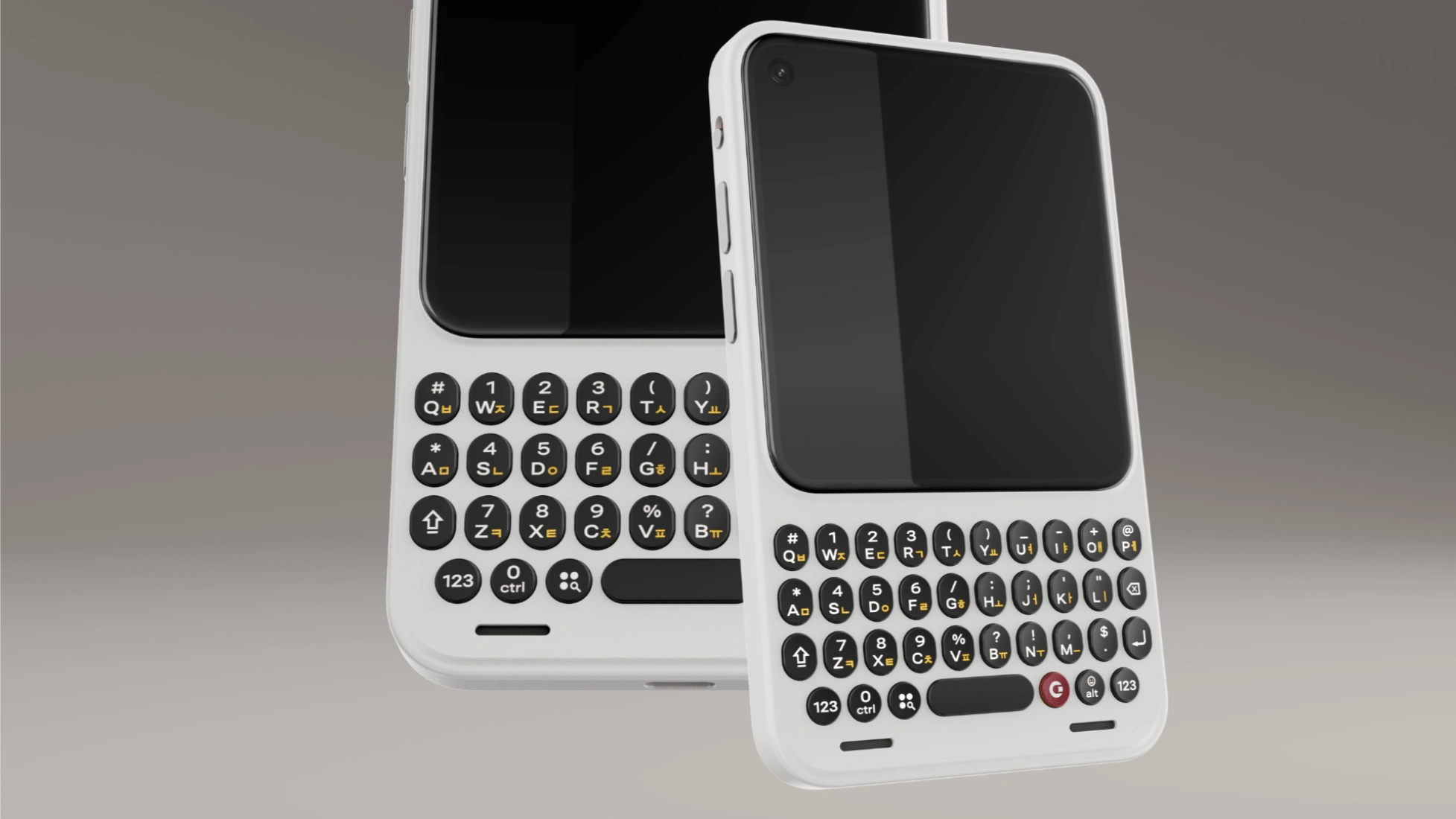
Clicks Technology has announced a significant expansion of its hardware localization, introducing four new keyboard layouts for its upcoming Android smartphone, the Clicks Communicator.

The move aims to address higher-than-anticipated international demand and reinforces the device’s position as a tool designed specifically for high-efficiency mobile communication.

Global Localization for a Diverse User Base

In an effort to better serve markets across Europe, Asia, and the Middle East, the Communicator will now be available in several regional configurations. These include:

  • French (AZERTY)
  • German (QWERTZ)
  • Korean
  • Arabic

This localized support ensures that the tactile, physical keyboard experience (the hallmark of the Clicks brand) is accessible to a broader demographic of professional and power users. To accommodate these new regions, the company has extended its early bird promotional window until March 15, allowing international customers to secure introductory pricing.

High-Performance Architecture for Action-Oriented Use

Beyond its physical interface, Clicks confirmed the Communicator will be powered by the MediaTek Dimensity 8300 (MT8883) chipset. Built on a modern 4nm architecture, the processor was selected to provide a zero-latency feel, prioritizing immediate responsiveness over the media-heavy consumption habits typical of modern smartphones.

The company emphasized that this hardware choice provides significant performance headroom, ensuring the device remains fast as software evolves. Clicks has committed to a long-term support lifecycle, including software updates through Android 20 and five years of security patches.

Strategic Vision: A Device Built for Purpose

The Communicator is marketed as a corrective to the doomscrolling culture, focusing instead on productivity and active engagement.

Adrian Li Mow Ching, CEO of Clicks made the following observation. “This global reception serves as a clear indicator that there is a significant market gap for a handset dedicated to communication and productivity. By integrating AZERTY, QWERTZ, Korean, and Arabic layouts, we are ensuring this specialized experience is available to a truly diverse audience.”

Pricing and Availability

The Clicks Communicator is offered in three distinct colorways: Smoke, Clover, and Onyx. Customers who participate in the reservation phase before the March 15 deadline can take advantage of the following tiers:

OptionPriceBenefits
Reservation Deposit $199Locks in a discounted total price of $399.
Paid in Full$399Includes two complimentary back covers (a $100 value).
Standard Retail$499Post-launch MSRP for the base unit.

Shipping for the Clicks Communicator is scheduled to begin later this year. Customers will be invited to select their specific keyboard layout and color preferences closer to the dispatch date.